
Kew Gardens Guide: What You Need to Know
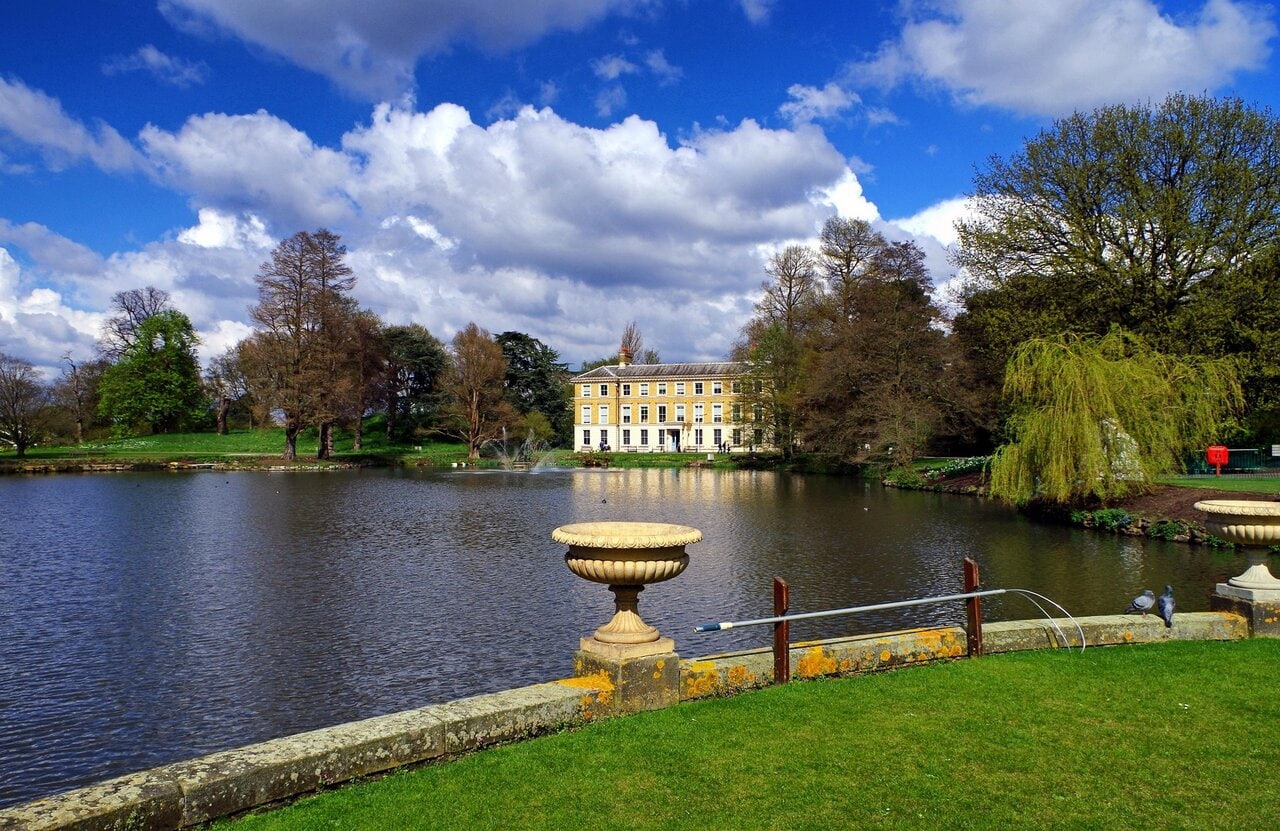
The Royal Botanic Gardens, Kew offers one of the most peaceful and visually impressive experiences in London, standing in contrast to the city’s busy streets and crowded landmarks. Spread across more than 300 acres in southwest London, Kew Gardens is a UNESCO World Heritage Site and home to one of the most important botanical collections in the world.
Visiting Kew is not about rushing between attractions. It is about slowing down, exploring vast glasshouses, walking through themed gardens, and discovering rare plants from across the globe. You can move from tropical rainforest environments inside the Palm House to open landscapes filled with seasonal colour, all within the same visit.
This makes it a strong addition to any London itinerary, especially if you want a break from the intensity of central sightseeing. While major attractions focus on history and crowds, Kew offers space, calm, and a completely different pace, making it ideal for couples, families, and anyone looking to experience a quieter side of the city.
Where Is Kew Gardens & How to Get There
Kew Gardens is located in southwest London, in the district of Richmond upon Thames. Despite feeling far removed from the city centre, it is well connected and easy to reach using public transport.
The most straightforward option is the London Underground. Kew Gardens station sits on the District Line, and from central London the journey typically takes around 30 to 40 minutes, depending on your starting point. The station is just a short walk from the Victoria Gate entrance, making this the most convenient route for most visitors.
You can also reach the gardens using the London Overground, which connects to Kew Gardens station from areas such as Stratford and North London. This is particularly useful if you are staying outside central London.
Several bus routes also serve the area, stopping near the main entrances, and taxis or ride-hailing apps are widely available if you prefer a direct journey. If you are already exploring west London, Kew can also be combined with nearby areas such as Richmond for a more relaxed day out.
For seamless travel across the network, it is worth using contactless payment or an Oyster card, which keeps fares simple and avoids the need to buy individual tickets.
Kew Gardens Tickets & Entry Prices
Entry to Royal Botanic Gardens, Kew is ticketed, and pricing varies depending on the time of year, demand, and how you choose to buy. While it is not one of London’s cheapest attractions, the scale of the gardens and the number of experiences included make it good value for a half-day or full-day visit.
Standard adult tickets typically range from £15 to £22, with lower prices available during off-peak periods and higher pricing during peak seasons such as spring and summer. Discounts are available for children, families, students, and seniors, and younger children can often enter for free depending on age.
The most important thing to know is that booking online in advance is strongly recommended. Advance tickets are usually cheaper than buying at the gate and allow you to avoid queues, which can build quickly on weekends, school holidays, and sunny days. During peak periods, particularly when the gardens are in full bloom, entry slots can sell out entirely, meaning you may not be able to enter without a pre-booked ticket.
If you choose to buy on the day, tickets are available at the entrances, but you should expect higher prices and potential waiting times. Arriving early can help reduce delays, especially during busy months.
Your ticket includes access to the full site, covering all major highlights such as the Palm House, Temperate House, Princess of Wales Conservatory, treetop walkway, landscaped gardens, and walking trails. Given the size of Kew, this represents a significant amount to see and do within a single ticket.
It is also worth being aware of seasonal events, such as special exhibitions or the popular Christmas at Kew light trail, which are not always included in standard admission and may require a separate ticket. These events can be extremely popular and often sell out well in advance.
For visitors planning a relaxed experience, timing matters just as much as price. Visiting early in the morning or later in the afternoon can make a noticeable difference, helping you avoid the busiest entry periods and enjoy the gardens with more space.
In practical terms, the best approach is simple. Book your ticket online, choose a quieter time slot if possible, and allow several hours to explore. This ensures you get the most value from your visit while avoiding unnecessary delays at the entrance.
Top Things to See at Kew Gardens
Kew Gardens is vast, and knowing where to focus your time makes a big difference. The highlights are spread across the site, but each offers something completely different, from tropical environments to historic architecture.
The Palm House is one of the most iconic structures in the gardens. This Victorian glasshouse recreates a humid rainforest environment, filled with towering palms and dense vegetation. Walking inside feels like stepping into a different climate entirely, and the upper walkway gives you a unique view across the canopy.
The Temperate House is the largest glasshouse at Kew and one of the biggest in the world. It houses plants from temperate regions across the globe, and its scale alone is impressive. The restored interior is bright, open, and far less humid than the Palm House, making it easier to explore for longer periods.
The Treetop Walkway offers a completely different perspective. Rising 18 metres above the ground, it allows you to walk through the canopy and look out across the gardens. On a clear day, you can see surprisingly far, and it is one of the best spots for photography.
The Princess of Wales Conservatory is more modern and divided into multiple climate zones. Inside, you will find everything from cacti and desert plants to orchids and tropical species, all within a compact but varied space.
The Great Pagoda is one of Kew’s most recognisable landmarks. Recently restored, it offers panoramic views across London if you choose to climb it. It also adds a strong architectural contrast to the surrounding gardens.
Finally, Kew Palace provides a glimpse into royal history. This smaller, more intimate building was once used by King George III and offers a quieter, more reflective experience compared to the larger attractions.
How Long Do You Need at Kew Gardens
Kew Gardens is much larger than many visitors expect, and the amount of time you spend here will shape your experience.
If you are short on time, a visit of 2 to 3 hours allows you to see the main highlights, including one or two glasshouses and a walk through the central gardens. This works if you are combining Kew with other London attractions on the same day.
For a more complete visit, you should allow 4 to 6 hours. This gives you enough time to explore multiple glasshouses, walk between key areas, stop for food or coffee, and enjoy the setting without rushing.
Many visitors choose to spend a full day at Kew, particularly in good weather. The gardens are designed for slow exploration, and the size of the site means you will naturally discover new areas as you move through it.
The key thing to understand is that Kew is not a quick stop. It is best approached as a relaxed, immersive experience, rather than something to rush through.
Best Time to Visit Kew Gardens
Kew Gardens changes dramatically throughout the year, and the best time to visit depends on what you want to see.
Spring is one of the most popular seasons, when the gardens come alive with blossom, fresh greenery, and colourful displays. This is when Kew looks at its most vibrant, but it also attracts larger crowds.
Summer offers the fullest experience, with all areas in bloom and longer opening hours. The weather is ideal for walking, although busy days can mean more visitors across the site.
Autumn brings a completely different atmosphere, with rich colours and quieter pathways. It is one of the best times for photography and a more relaxed visit.
Winter is calmer still, with fewer crowds and a more peaceful feel. While some outdoor areas are less colourful, the glasshouses remain active, and seasonal events such as Christmas at Kew add a unique experience.
If you want the best balance of good weather and manageable crowds, aim for late spring or early autumn, and visit earlier in the day to avoid peak entry times.
Kew Gardens Map & How to Get Around
Kew Gardens covers a large area, and getting around requires more walking than many visitors expect. Paths are well laid out, and the gardens are easy to navigate once you understand the layout.
A map is available at the entrance and online, and it is worth checking this before you begin. Planning a loose route can help you avoid unnecessary backtracking, especially if you are aiming to see specific highlights.
Walking is the main way to explore, and comfortable footwear is essential. Distances between attractions can be significant, particularly between the far ends of the gardens.
In some seasons, internal transport options such as a land train may operate, helping visitors move between key points. Availability varies, so it is worth checking on arrival if this is something you plan to use.
The best approach is to move slowly and explore naturally, allowing time to enjoy the surroundings rather than trying to cover everything quickly.
Facilities at Kew Gardens
Kew Gardens is well equipped for visitors, with facilities spread across the site to support a comfortable and relaxed visit. Given the size of the gardens, you will find toilets, cafés, shops, and rest areas located at regular intervals, particularly near the main attractions and entrances.
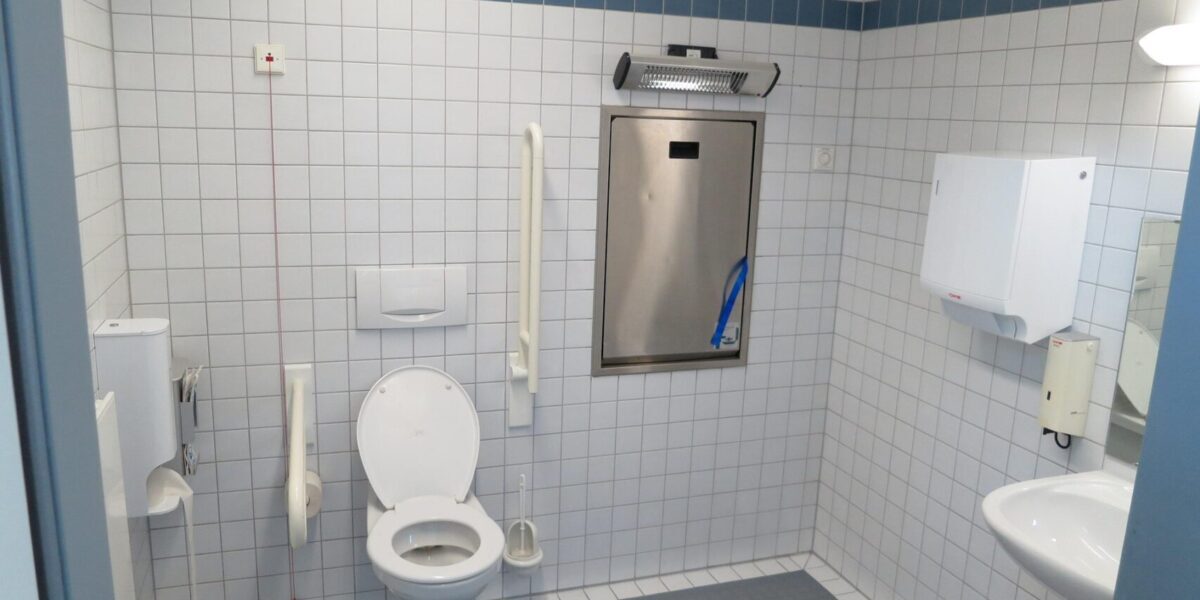
Toilets are clean, clearly signposted, and easy to find throughout the gardens. Accessibility is generally good, with step-free access and adapted facilities available in most main areas. Drinking water points are also available, although bringing your own bottle is still recommended, especially during warmer months.
Food and drink options are varied. There are several cafés and restaurants offering everything from quick snacks and coffee to full meals, with indoor and outdoor seating depending on location. Prices are in line with London attractions, so expect them to be higher than average, but the quality is generally reliable. Many visitors choose to take breaks between exploring different sections of the gardens, making these stops part of the overall experience.
There are also gift shops and plant shops, where you can buy souvenirs, gardening items, and unique botanical-themed gifts. These are typically located near entrances and key visitor areas.
For families, Kew Gardens is particularly well set up. There are open spaces, walking routes suitable for pushchairs, and dedicated children’s areas, making it easy to visit with younger travellers.
Overall, the facilities at Kew Gardens support a full half-day or full-day visit, allowing you to explore comfortably without needing to leave the site.
Is Kew Gardens Worth Visiting?
Kew Gardens offers something very different from the typical London attraction. Instead of crowds, queues, and fast-paced sightseeing, it provides space, calm, and a slower way to experience the city.
For visitors interested in nature, architecture, photography, or simply taking a break from central London, it is absolutely worth including in your itinerary. The combination of historic glasshouses, landscaped gardens, and unique structures creates an experience that feels both educational and relaxing.
It is particularly well suited to those who have already seen London’s major landmarks and are looking for something different. It also works well for couples, families, and anyone who prefers a more open and less crowded environment.
However, if your time in London is very limited, you may prioritise central attractions first. Kew requires time to appreciate properly, and it is best enjoyed when you can slow down and explore without rushing.
In simple terms, if you want to experience a different side of London that many visitors miss, Kew Gardens is one of the best choices you can make.
Tips for Visiting Kew Gardens
A little preparation can make your visit to Kew Gardens much smoother and more enjoyable.
Wear comfortable walking shoes, as distances between attractions are larger than they appear on a map. Check the weather before you go, as much of the experience is outdoors, and conditions can change quickly.
Booking tickets in advance is one of the simplest ways to improve your visit. It helps you avoid queues and secure entry during busy periods, particularly in spring and summer.
Arriving early in the day or later in the afternoon can also make a noticeable difference, as these times are generally quieter. If you are visiting during peak season, planning your route in advance will help you make the most of your time.
Finally, allow yourself enough time to explore. Kew Gardens is not a place to rush through. The best visits are those where you take your time, stop regularly, and enjoy the setting as you move through it.
Frequently Asked Questions
Is Kew Gardens worth visiting?
Yes. It offers a completely different experience from central London, with open space, unique glasshouses, and a more relaxed atmosphere.
How long do you need at Kew Gardens?
Most visitors spend between 3 and 6 hours, although a full day is ideal if you want to explore everything.
What is the best time to visit Kew Gardens?
Spring and early autumn offer the best balance of good weather, seasonal colour, and manageable crowds.
How do you get to Kew Gardens?
The easiest option is the District Line to Kew Gardens station, which is just a short walk from the entrance.
Can you visit Kew Gardens in winter?
Yes. While outdoor areas are quieter, the glasshouses remain open, and seasonal events such as Christmas displays make it a unique time to visit.
Further Reading & Related Guides
To get around the city with ease, our Getting Around London guide explains the Underground, buses, and the best ways to move between attractions.
For ticketing and fares, our Oyster vs Contactless guide helps you choose the cheapest and simplest way to pay for travel across London.
If you are building a wider itinerary, our London Attractions Guide highlights the city’s top sights and how to group them together effectively.
Last Updated
April 2026
Affiliate Disclosure
This page contains affiliate links. If you click through and make a purchase or booking, we may earn a small commission at no extra cost to you. This helps support our work and allows us to continue providing detailed, independent travel advice. We only recommend apps and services we personally use or have verified as high-quality.