

eSIM vs Local SIM: Which Is Better for Travel?
When travelling abroad, one of the first things most travellers need to sort out is mobile data and phone connectivity. Being able to use maps, book transport, check hotel reservations, translate languages, and stay in contact is now essential when travelling. The big question many travellers face is whether to use a travel eSIM or buy a local SIM card when they arrive at their destination.
Both options can be good, but they work in very different ways. A travel eSIM allows you to download a mobile data plan directly to your phone before or during your trip, without needing to insert a physical SIM card. A local SIM card, on the other hand, is a physical SIM that you buy in the country you are visiting, usually from an airport shop, phone store, or convenience shop.
The best choice depends on several factors including cost, convenience, how long you are travelling, how many countries you are visiting, and whether your phone supports eSIM technology. Short trips, multi-country trips, and business travel often favour eSIMs, while long stays in a single country may favour local SIM cards.
In this guide, we will compare eSIM vs local SIM cards for travel, looking at cost, convenience, coverage, speed, and which option is best for different types of travellers.
What Is a Travel eSIM
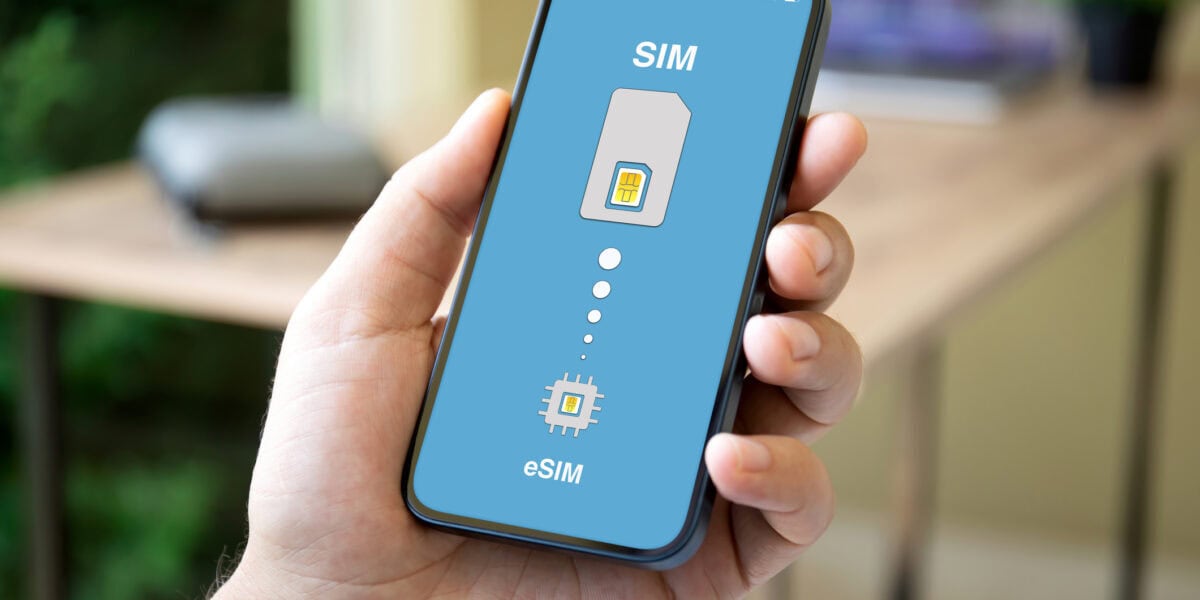
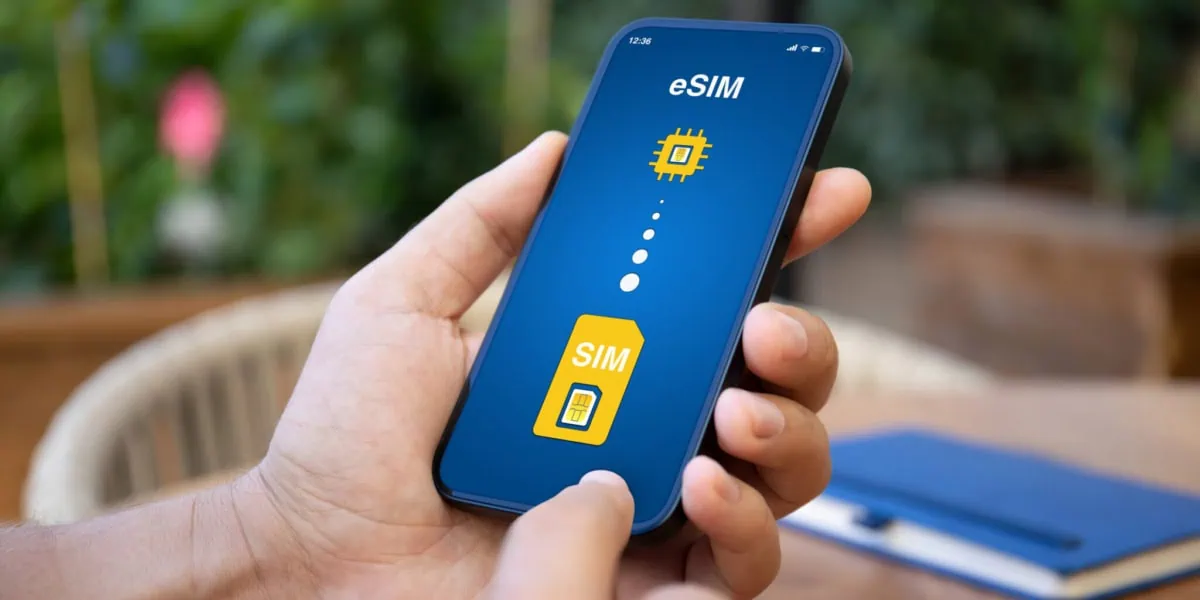
A travel eSIM is a digital SIM card that is built into your phone. Instead of inserting a physical SIM card, you download a data plan directly to your device by scanning a QR code or installing an app from an eSIM provider.
Most modern smartphones now support eSIM, including newer iPhones, Samsung Galaxy devices, Google Pixel phones, and many other newer models. Once installed, the eSIM allows you to use mobile data abroad without removing your home SIM card, meaning you can often keep your normal phone number active for calls and messages while using travel data on the eSIM.
Travel eSIMs are usually purchased through apps or websites before travelling. You choose a country, region, or global plan, purchase a data package, and then install it on your phone. When you arrive at your destination, the eSIM connects automatically to a local network partner.
One of the biggest advantages of travel eSIMs is convenience. You do not need to find a shop, show ID, swap SIM cards, or worry about losing your home SIM. Everything is done digitally, and you can often activate your data plan within minutes.
Popular travel eSIM providers include Airalo, Holafly, Nomad, Flexiroam, GigSky, Roamless, Drimsim, Saily, and Yesim, all of which offer different pricing models, coverage areas, and data plans.
What Is a Local SIM Card
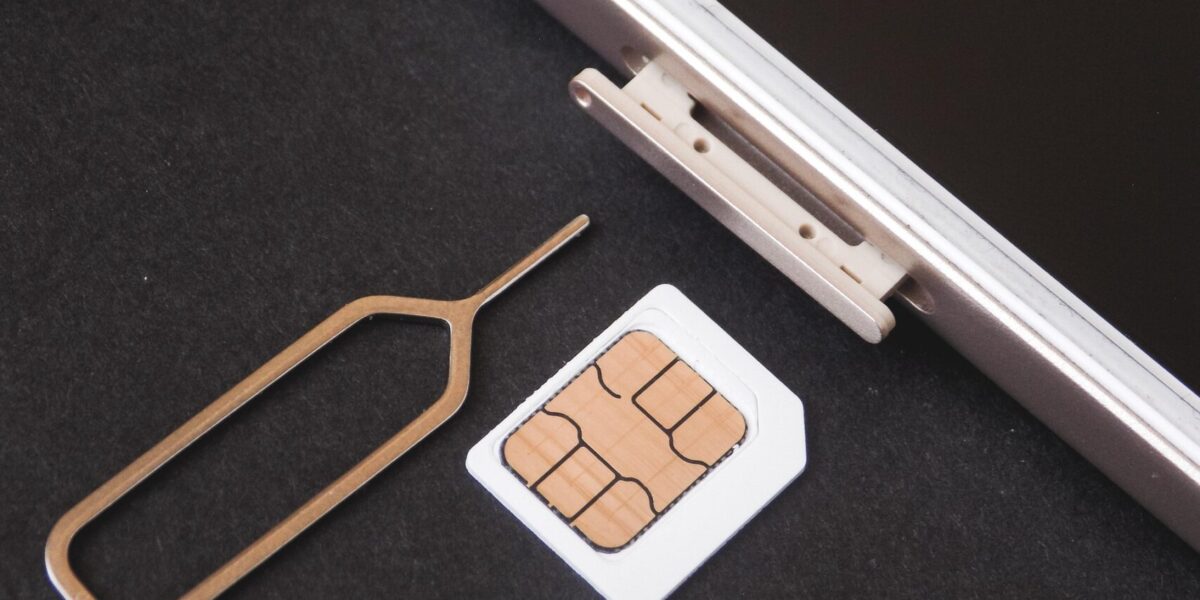
A local SIM card is a physical SIM card that you purchase in the country you are visiting and insert into your phone to use local mobile networks. These SIM cards are usually sold at airports, mobile phone shops, electronics stores, and sometimes convenience stores.
When you use a local SIM card, your phone effectively becomes a local phone in that country. You will usually receive a local phone number and can buy prepaid data packages, local calls, and text messages. In many countries, local SIM cards can be very cheap and offer large data allowances.
However, buying a local SIM card often involves finding a shop, waiting in line, showing your passport for registration, and manually setting up the SIM card. In some countries, SIM registration is mandatory and can take time. Airport SIM cards are convenient but are often more expensive than buying one in the city.
Another disadvantage is that you usually need to remove your home SIM card, which means you may not receive calls or messages to your normal number unless you use apps like WhatsApp, email, or messaging apps.
Local SIM cards are often best for travellers staying in one country for a longer period, such as digital nomads, students, or long holidays.
eSIM vs Local SIM – Key Differences
The main difference between eSIM and local SIM cards for travel comes down to convenience versus cost in many situations, although this is not always the case. Both options allow you to access mobile data abroad, but the way you buy, install, and use them is very different.
An eSIM is digital and can be installed before you travel, meaning you can land in a country and have mobile data immediately. A local SIM card must usually be purchased after arrival, which means you may not have internet access immediately unless the airport offers free Wi-Fi.
eSIMs are also very useful for multi-country trips, because you can buy regional or global plans that work across several countries without changing SIM cards. With local SIM cards, you would normally need to buy a new SIM card in each country you visit.
However, local SIM cards can sometimes be cheaper if you are staying in one country for a long time and need large amounts of data. Local network providers often offer prepaid packages designed for residents, which can be cheaper than international eSIM data plans.
In simple terms:
- eSIMs are usually more convenient and better for short trips and multi-country travel
- Local SIM cards are often cheaper for long stays in a single country
In the next sections, we will compare cost, convenience, coverage, and speed in more detail to help you decide which option is best for your trip.
When an eSIM Is Better for Travel
There are many situations where using a travel eSIM is clearly the better option compared to buying a local SIM card. For most short trips, city breaks, business travel, and multi-country trips, an eSIM is usually the easiest and most convenient way to stay connected abroad.
One of the biggest advantages of an eSIM is that you can set everything up before you travel. You can buy your data plan, install the eSIM, and activate it so that when you land at your destination, your phone connects to the internet immediately. This means you can book a taxi, open maps, check hotel directions, or contact your accommodation as soon as you arrive.
eSIMs are also ideal if you are visiting multiple countries on the same trip. Many eSIM providers offer regional plans for Europe, Asia, North America, or global plans that work in dozens of countries. This means you do not need to keep changing SIM cards every time you cross a border.
Another major advantage is that you do not need to remove your home SIM card, so you can still receive text messages, banking verification codes, and important calls on your normal number while using mobile data from the eSIM.
eSIMs are usually best for:
- Short holidays
- City breaks
- Business travel
- Multi-country trips
- Travellers who want internet immediately on arrival
- Travellers who do not want to swap SIM cards
- People who rely on banking apps and verification texts
For most modern travellers, especially those using maps, ride-hailing apps, hotel apps, and translation apps, the convenience of an eSIM often makes it the best option.
When a Local SIM Card Is Better
Although eSIMs are very convenient, there are still situations where buying a local SIM card is the better option, especially if you are staying in one country for a longer period of time.
Local SIM cards are often cheaper if you need large amounts of data or if you are staying somewhere for several weeks or months. Local mobile networks usually offer prepaid packages designed for residents, which can include large data allowances, local calls, and text messages at a lower price than international eSIM plans.
A local SIM card may also be better if your phone does not support eSIM, which is still the case for some older phones and budget devices.
Another situation where a local SIM can be useful is if you need a local phone number, for example when renting apartments, booking local services, signing up for local apps, or contacting local businesses that may not accept international numbers.
Local SIM cards are usually best for:
- Long stays in one country
- Digital nomads
- Students studying abroad
- People needing a local phone number
- Travellers using large amounts of data
- Travellers with phones that do not support eSIM
If you are staying in one country for a month or longer, a local SIM card is often the cheaper option.
Cost Comparison: eSIM vs Local SIM
When comparing eSIM vs local SIM cost for travel, the answer is not always straightforward because it depends on the country, how much data you need, and how long you are travelling.
In general, local SIM cards are often cheaper per gigabyte, especially in countries where mobile data is very cheap, such as Thailand, Vietnam, Turkey, or many European countries. You may be able to buy a local SIM with 20GB or even unlimited data for a relatively low price.
Travel eSIMs are usually more expensive per gigabyte, but you are paying for convenience, flexibility, and the ability to activate your data before you travel. Many travellers are happy to pay slightly more for the convenience of landing in a country with internet already working.
For short trips, the price difference is often small. For longer trips or heavy data users, a local SIM card can sometimes be significantly cheaper.
A simple way to think about it:
- Short trip (3–7 days): eSIM often worth it for convenience
- Medium trip (1–3 weeks): Either option can be good
- Long trip (1+ month): Local SIM often cheaper
- Multi-country trip: eSIM usually better
It is always worth comparing the price of a travel eSIM plan with local SIM prices in your destination before you travel.
Convenience Comparison
When it comes to convenience, eSIMs are usually the clear winner compared to local SIM cards. The entire process of buying, installing, and activating an eSIM can usually be done in just a few minutes from your phone.
With an eSIM, you typically:
- Buy a data plan online or in an app
- Scan a QR code or install the eSIM through the app
- Activate the plan
- Land in your destination and connect automatically
With a local SIM card, the process is often longer. You usually need to:
- Find a mobile phone shop or airport kiosk
- Wait in line
- Show your passport for SIM registration
- Insert the SIM card
- Set up the phone settings
- Choose and activate a data package
In some countries, SIM card registration rules can make the process slower, and airport SIM cards are often more expensive than city shops. You may also not have internet access immediately after landing, which can make it harder to arrange transport or find directions.
This is why many travellers now prefer travel eSIMs for convenience, especially for short trips and city breaks, while local SIM cards are still popular for long-term stays.
Coverage and Speed Comparison
When comparing eSIM vs local SIM coverage and speed, the difference is usually smaller than many travellers expect. Most travel eSIM providers do not operate their own networks. Instead, they connect to local mobile networks in each country, which means your phone is often using the same networks that local SIM cards use.
In major cities, airports, tourist areas, and transport hubs, eSIM speeds are usually very similar to local SIM speeds. In some cases, eSIM providers allow devices to connect to multiple networks, which can actually improve coverage when travelling between cities or across regions.
However, local SIM cards can sometimes have slightly better network priority, especially for heavy data usage like video streaming, hotspot usage, or remote working. This difference is usually small for normal travel use such as maps, messaging, booking apps, translation apps, and general browsing.
In rural areas and remote regions, both eSIM and local SIM coverage depend entirely on the local network infrastructure, so the most important factor is which mobile networks operate in that country rather than whether you use an eSIM or a physical SIM card.
For most travellers visiting cities and popular destinations, coverage and speed differences between eSIM and local SIM are usually minimal, so the decision often comes down to cost and convenience rather than performance.
Which Option Is Best for Different Types of Travellers
The best choice between eSIM and local SIM cards for travel often depends on the type of traveller and the type of trip you are taking. There is no single answer that works for everyone, but certain travel styles clearly suit one option more than the other.
For short trips, weekend breaks, and business travel, a travel eSIM is usually the best option because it saves time and allows you to be connected immediately when you land. Travellers who rely on maps, ride-hailing apps, hotel bookings, airline apps, and translation apps often prefer eSIMs because everything works as soon as the plane lands.
For travellers visiting multiple countries on one trip, eSIMs are often much easier because you can buy regional data plans or global data plans that work across several countries without needing to change SIM cards every time you cross a border.
For long stays in one country, such as digital nomads, students, or long holidays, a local SIM card is often cheaper and may include large data packages, local calls, and text messages. If you are staying somewhere for several weeks or months, a local SIM card can often provide better value.
Families and less technical travellers often prefer eSIMs because they are easier to set up and there is no risk of losing a small SIM card, while travellers on very tight budgets may prefer local SIM cards if they are comfortable setting them up and finding mobile shops.
In general, eSIMs are best for convenience, short trips, and multi-country travel, while local SIM cards are often best for long stays and heavy data use in one country.
Tips for Staying Connected Abroad
No matter whether you choose an eSIM or a local SIM card, there are several things you should do before travelling to make sure you stay connected without problems. One of the most important things is to check whether your phone is unlocked, because a locked phone will not accept other SIM cards or eSIM plans.
You should also check whether your phone supports eSIM technology if you plan to use a travel eSIM. Most modern smartphones support eSIM, but some older phones and budget devices do not.
Before travelling, it is also a good idea to download important travel apps, such as offline maps, translation apps, airline apps, hotel apps, and public transport apps. Even if you have mobile data, offline maps can be very useful in areas with poor signal.
Many travellers also choose to keep their home SIM card active for calls and text messages while using a travel eSIM for mobile data. This is especially useful for receiving bank verification codes, booking confirmations, and important messages.
Planning how you will stay connected before your trip can make travelling much easier, especially when navigating new cities, booking transport, and finding accommodation.
Popular Travel eSIM Providers
There are now many companies offering travel eSIM data plans, and the market is growing quickly as more travellers move away from traditional roaming and physical SIM cards.
Well-known travel eSIM providers include Airalo, Holafly, Nomad, Flexiroam, GigSky, Roamless, Drimsim, Saily, and Yesim. Each provider offers different pricing models, coverage areas, and types of data plans. Some providers specialise in cheap fixed data plans, while others focus on unlimited data plans, regional plans, or global data plans that work in dozens of countries.
Some eSIM providers focus on pay-as-you-go data that never expires, which can be useful for occasional travellers, while others offer time-limited data packages that are cheaper for short trips.
The best eSIM provider often depends on where you are travelling, how much data you need, how long your trip is, and whether you are visiting one country or several countries. This is why many travellers compare different eSIM providers before travelling to find the best option for their trip.

Rupert’s Handy Travel Tips
Trying to decide between an eSIM and a local SIM card? Here are a few handy tips to help you choose the best option for your trip:
- If you’re visiting multiple countries, an eSIM regional plan is usually much easier than buying multiple SIM cards.
- If you’re staying in one country for a long time, a local SIM card is often cheaper for large data packages.
- Always check your phone is unlocked and eSIM compatible before travelling.
- Set up your eSIM before you fly so you have internet as soon as you land.
- Keep your home SIM active if possible for bank texts and verification codes.
Want to meet the reindeer behind our travel tips? Find out more in our page Who is Rupert?.
Frequently Asked Questions: eSIM vs Local SIM
Is an eSIM better than a local SIM card for travel?
For most short trips and multi-country travel, an eSIM is usually more convenient because you can activate it before travelling and have internet as soon as you land. For long stays in one country, a local SIM card is often cheaper, especially if you need a lot of data.
Can I use an eSIM and a physical SIM at the same time?
Yes, many modern smartphones support dual SIM functionality, which allows you to keep your home SIM card for calls and text messages while using an eSIM for mobile data abroad.
Is eSIM more expensive than a local SIM card?
In many cases, eSIM data can be slightly more expensive per gigabyte, but the convenience of setting it up before travelling often makes it worth it for short trips and city breaks.
Do I need to remove my SIM card to use an eSIM?
No, in most cases you do not need to remove your physical SIM card. You can usually keep your home SIM in your phone and use the eSIM for mobile data at the same time.
Will an eSIM work in every country?
Most travel eSIM providers cover dozens or even hundreds of countries, but coverage varies by provider. It is always best to check the country list before purchasing a data plan.
Are local SIM cards available at airports?
Yes, in most countries you can buy local SIM cards at airports, mobile phone shops, and convenience stores. However, airport SIM cards are often more expensive than buying a SIM card in the city.
Further Reading & Related Guides
If you are planning how to stay connected while travelling, you should read our eSIM Apps Guide, which compares the best travel eSIM providers, data plans, and coverage areas. This will help you choose the right provider before your trip and avoid expensive roaming charges.
You may also want to read our guides to specific eSIM providers such as Airalo, Holafly, Nomad, Flexiroam, GigSky, Roamless, Drimsim, Saily and Yesim, which compare pricing, coverage, and data plans. Reading these guides together will help you choose the best eSIM provider for your destination and travel style.
Reading these guides together will help you plan how to stay connected abroad, avoid roaming charges, and make sure you always have internet access when travelling.
Last Updated
This guide was last updated in April 2026 to reflect current travel eSIM providers, mobile data pricing trends, and international SIM card options.
Affiliate Disclosure
This page contains affiliate links. If you click through and make a purchase or booking, we may earn a small commission at no extra cost to you. This helps support our work and allows us to continue providing detailed, independent travel advice. We only recommend apps and services we personally use or have verified as high-quality.