
Discover Lake Como
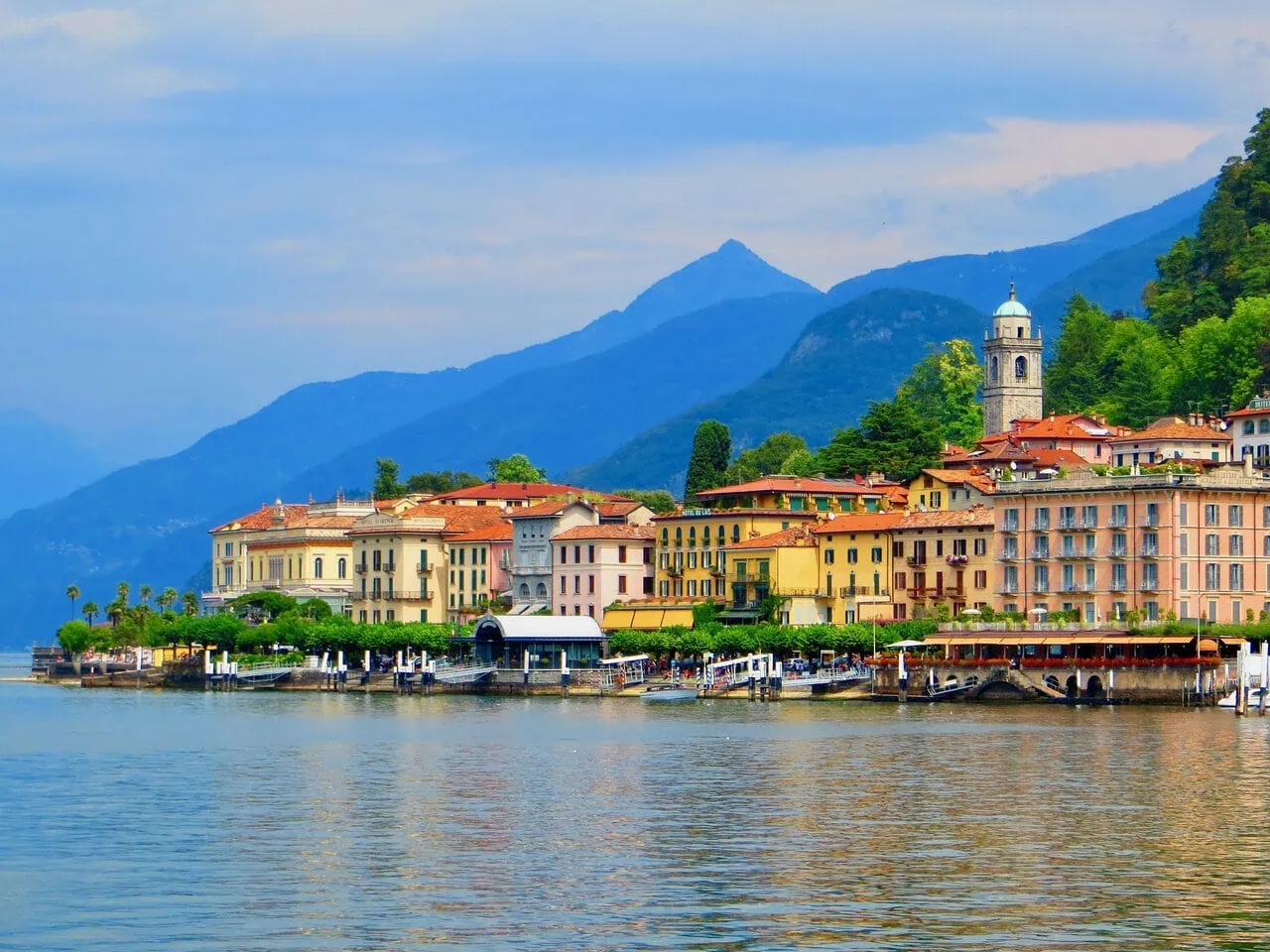
Lake Como is one of Italy’s most celebrated destinations, combining spectacular Alpine scenery with elegant lakeside towns, grand historic villas and some of the country’s most memorable boat journeys. While it has long attracted artists, writers and royalty, today it welcomes millions of visitors who come to experience its unique blend of Italian culture, breathtaking landscapes and relaxed lakeside living.
Unlike many destinations that revolve around a single town or attraction, Lake Como is a collection of beautiful communities, each offering something different. One morning could be spent wandering medieval streets lined with cafés and boutiques, while the afternoon might involve a leisurely ferry crossing to explore magnificent gardens or enjoy lunch beside the water. Every journey reveals another picture-postcard harbour, another elegant villa or another mountain viewpoint, making travelling around the lake just as enjoyable as reaching the destinations themselves.
Many visitors first discover Lake Como on a day trip from Milan, thanks to the frequent train services linking the city with the southern shores of the lake. However, spending a little longer here allows you to experience a very different side of northern Italy. Early mornings bring peaceful promenades before the crowds arrive, evenings offer unforgettable sunsets across the water, and the slower pace encourages visitors to linger rather than rush from one attraction to the next.
The scenery changes constantly as you move around the lake. Some areas are lively and sophisticated, with elegant hotels and bustling piazzas, while others feel wonderfully peaceful, where colourful fishing boats gently rock in small harbours beneath steep, wooded hillsides. Beyond the lakeshore, mountain paths climb towards panoramic viewpoints, historic villages cling to the hillsides and centuries-old villas sit hidden amongst beautifully maintained gardens.
Whether you are planning your first visit or returning to explore somewhere new, Lake Como offers far more than a beautiful photograph. It is a destination that rewards curiosity, inviting visitors to step aboard a ferry, discover another lakeside town and enjoy one of the most picturesque corners of Italy at their own pace.
Where is Lake Como?
Lake Como lies in the Lombardy region of northern Italy, nestled against the foothills of the Alps and less than an hour north of Milan. Its convenient location has helped make it one of Italy’s most accessible tourist destinations, allowing visitors to swap the bustle of a major city for peaceful lakeside scenery in remarkably little time.
The lake sits close to the Swiss border, making it an excellent addition to wider itineraries through northern Italy and southern Switzerland. Many travellers combine Lake Como with destinations such as Milan, Bergamo, Verona or Lugano, while others continue into the Alps after exploring the lakeside towns. Thanks to excellent rail connections, it is perfectly possible to enjoy the lake without hiring a car, with trains arriving regularly at both Como and Varenna throughout the day.
One of the reasons Lake Como appeals to such a wide range of visitors is its accessibility. International flights arrive into Milan Malpensa Airport, Milan Linate Airport and Milan Bergamo Airport, all of which provide convenient onward connections by train or coach. This means you can leave the airport in the morning and be enjoying coffee beside the lake before lunchtime.
Despite its popularity, Lake Como still feels surprisingly peaceful once you move away from the busiest arrival points. The mountains surrounding the lake create a dramatic backdrop throughout the year, while the deep blue water reflects the changing light from sunrise until sunset. During spring the gardens burst into colour, summer brings long warm evenings beside the water, autumn paints the surrounding hills in shades of gold and orange, and winter offers crisp, clear views of snow-covered Alpine peaks.
Its position between the mountains and the plains of Lombardy has shaped the lake’s history for centuries, helping create the elegant towns, grand villas and beautiful gardens that visitors enjoy today. It is this combination of easy accessibility and spectacular natural scenery that has made Lake Como one of Italy’s most enduring travel destinations.
Understanding Lake Como
At first glance, Lake Como can appear surprisingly large, particularly when looking at a map for the first time. Unlike many lakes, it is not circular or oval in shape. Instead, it forms a distinctive upside-down Y, with three separate branches meeting in the centre. Understanding this layout before you arrive makes planning your visit much easier, particularly if you hope to explore several different towns during your stay.
The south-western branch leads to the city of Como, the largest settlement on the lake and the main arrival point for visitors travelling from Milan. This area combines historic architecture with modern shopping streets, lively restaurants and excellent transport connections, making it a popular base for first-time visitors.
On the south-eastern branch lies Lecco, another attractive lakeside town surrounded by dramatic mountains. Although it receives fewer international visitors, Lecco is particularly popular with walkers, cyclists and outdoor enthusiasts who appreciate its spectacular setting and relaxed atmosphere.
Between these two southern branches sits what many people consider to be the most beautiful part of Lake Como. Here you will find Bellagio, Varenna, Menaggio, Tremezzo and Lenno, all connected by a frequent ferry network that allows visitors to travel easily between them. This central area contains many of the lake’s best-known attractions, including magnificent historic villas, colourful waterfront promenades and some of the finest viewpoints anywhere around the lake.
Further north the atmosphere changes once again. The villages become quieter, the mountains rise more steeply from the shoreline and tourism becomes less concentrated. This part of the lake rewards visitors looking for a slower pace, scenic drives and peaceful waterside walks away from the busiest destinations.
Fortunately, understanding the geography is far easier than it first appears. Once you have identified the three branches and the main ferry routes linking the central towns, exploring Lake Como becomes both simple and enjoyable, allowing you to spend less time navigating and more time discovering everything the lake has to offer.
Check hotel availability
See hotel options and places to stay for your trip.
Browse hotelsBook your own place
Browse apartments, holiday homes and self-catering stays.
View rentalsCheck hotel deals
Compare prices from multiple hotel booking sites.
Check dealsWhich Town Should You Visit?
One of the questions visitors ask most often is which town is the best place to visit on Lake Como. The honest answer is that there is no single winner because every town has developed its own unique character over centuries. Rather than choosing just one, many travellers spend their time moving between several destinations, discovering a different side of the lake with every ferry crossing.
Como is the natural starting point for many visitors thanks to its direct rail links with Milan. The impressive cathedral, attractive old town, elegant shopping streets and lakeside promenade make it much more than simply a transport hub. From here, the historic funicular climbs to Brunate, where panoramic views stretch across the lake and surrounding mountains.
Further north lies Bellagio, often described as the jewel of Lake Como. Perched on the narrow peninsula where the lake divides into its three branches, Bellagio offers spectacular views in every direction. Elegant villas, colourful gardens, boutique shops and steep cobbled lanes create one of Italy’s most photographed destinations, making it particularly popular with couples and first-time visitors.
Across the water, Varenna provides a quieter but equally rewarding experience. Its attractive waterfront, peaceful atmosphere and historic villas encourage visitors to slow down and enjoy the scenery. Because it also has its own railway station, Varenna is one of the easiest towns to combine with a day trip from Milan.
Other lakeside communities each add something different to the experience. Menaggio is known for its relaxed promenade and welcoming cafés, Tremezzo is home to the magnificent Villa Carlotta, Lenno attracts visitors heading for the famous Villa del Balbianello, while Lecco offers dramatic mountain scenery alongside a more authentic local atmosphere.
The real beauty of Lake Como is not deciding which town is the best, but discovering how different they all are. Exploring several places during the same visit allows you to experience the lake’s remarkable variety and understand why it continues to captivate visitors from around the world.
Explore the Best Towns Around Lake Como
One of the greatest strengths of Lake Como is that no two towns feel quite the same. Although they all share spectacular lake views and beautiful mountain backdrops, each destination has developed its own identity over hundreds of years. Some are lively transport hubs with elegant shopping streets, while others remain peaceful villages where colourful boats bob gently in small harbours and visitors spend their afternoons enjoying long lunches beside the water.
This variety means there is no right or wrong place to visit. Instead, the best approach is to experience several towns during your stay, allowing you to discover the different landscapes, architecture and atmosphere that make Lake Como one of Italy’s most rewarding destinations. Thanks to the excellent ferry network, travelling between towns is simple, and many visitors find that the boat journeys become just as memorable as the places themselves.
Whether you are looking for historic villas, lakeside cafés, scenic walks, luxury hotels or quiet corners away from the crowds, there is a town around Lake Como that perfectly matches your travel style.
Como
For many visitors, Como provides the perfect introduction to the lake. Located at the southern end of the western branch, it combines the convenience of a modern Italian city with the charm of a historic lakeside destination. Direct trains from Milan arrive throughout the day, making Como the easiest gateway for thousands of visitors exploring the lake without a car.
The city’s historic centre is wonderfully compact, making it ideal for exploring on foot. Narrow streets lined with independent boutiques lead towards lively piazzas where cafés spill onto the pavements and locals gather throughout the day. Dominating the centre is the magnificent Como Cathedral, one of northern Italy’s finest churches, whose construction spanned almost four centuries and reflects a fascinating mix of Gothic and Renaissance architecture.
A short walk brings you to the attractive waterfront promenade, where ferries depart for towns across the lake. Watching the boats arrive and depart while the surrounding mountains rise behind the harbour is one of Como’s simple pleasures. From here you can also board the historic Brunate Funicular, which climbs steeply above the city to reveal spectacular panoramic views stretching across Lake Como and into neighbouring Switzerland on clear days.
Despite being the lake’s largest town, Como retains a relaxed atmosphere that encourages visitors to slow down. Excellent restaurants, attractive public squares and beautiful lakeside walks mean it is far more than simply a transport hub. Many travellers choose to stay here for several nights, using the city’s excellent rail and ferry connections to explore the rest of the lake before returning each evening.
Bellagio
Few destinations in Italy enjoy quite the same reputation as Bellagio. Sitting on the narrow peninsula where Lake Como divides into its three branches, the town occupies one of the most spectacular locations anywhere on the lake. Whichever direction you look, the views are extraordinary, with deep blue water stretching towards distant mountains and elegant villas lining the shoreline.
Bellagio’s historic centre is a maze of steep stone lanes, flower-filled staircases and colourful buildings that have made it one of the lake’s most photographed destinations. Independent boutiques, artisan shops and welcoming cafés occupy buildings that have changed little over the centuries, creating an atmosphere that feels both lively and timeless.
One of Bellagio’s highlights is Villa Melzi, whose beautiful lakeside gardens provide a peaceful escape from the busy streets. Carefully landscaped pathways wind through exotic plants, sculptures and mature trees before reaching the water’s edge, where uninterrupted views across the lake make this one of the area’s most rewarding places for a leisurely walk.
At the northern tip of the town, Punta Spartivento offers another unforgettable viewpoint. Standing here allows visitors to appreciate the unique shape of Lake Como as the three branches spread out before them. It is one of the best places to watch ferries crossing the lake while enjoying uninterrupted mountain scenery in every direction.
Although Bellagio attracts large numbers of visitors during the summer months, it never loses its charm. Arriving early in the morning or staying into the evening reveals a quieter side of the town, when the narrow streets become more peaceful and the soft evening light reflects beautifully across the lake.

Varenna
If Bellagio is Lake Como’s glamorous centrepiece, Varenna is its peaceful retreat. Located on the eastern shore, this elegant town offers many of the same spectacular views but with a noticeably more relaxed atmosphere. It is also one of the easiest places to reach by train from Milan, making it particularly popular with independent travellers exploring the lake without a car.
The heart of Varenna is its attractive waterfront, where colourful buildings stand only a few metres from the water. A gentle stroll along the lakeside promenade reveals cafés, small harbours and spectacular viewpoints that encourage visitors to pause and simply enjoy the scenery. Unlike some of the busier towns, Varenna feels unhurried, making it an excellent place to escape the crowds for a few hours.
One of the town’s finest attractions is Villa Monastero, a magnificent lakeside villa surrounded by beautifully maintained botanical gardens. The gardens stretch alongside the shoreline for hundreds of metres, offering uninterrupted views across Lake Como while showcasing exotic plants collected from around the world. It is one of the most peaceful places to spend an afternoon anywhere on the lake.
Above the town stands Castello di Vezio, a medieval fortress that has watched over Lake Como for centuries. The climb to the castle rewards visitors with spectacular panoramic views across the central part of the lake and provides a fascinating insight into the region’s long history.
Varenna combines everything many visitors hope to find on Lake Como. Beautiful scenery, elegant historic buildings, excellent transport links and a wonderfully relaxed atmosphere all come together to create one of the lake’s most memorable destinations. Whether you stay for a few hours or several days, it is a town that leaves a lasting impression.
Menaggio
Situated on the western shore of Lake Como, Menaggio is often described as one of the lake’s most relaxed destinations. While Bellagio and Varenna tend to attract much of the attention, Menaggio offers a quieter atmosphere without sacrificing any of the spectacular scenery that has made the lake famous. Its broad waterfront, attractive piazzas and slower pace make it an excellent choice for visitors who want to enjoy Lake Como without feeling rushed.
The town centres around an elegant lakeside promenade where cafés and restaurants overlook the water. It is the sort of place where visitors naturally slow down, enjoying an espresso while watching ferries glide across the lake or taking an evening stroll as the surrounding mountains begin to glow in the setting sun. Unlike some of the steeper lakeside towns, Menaggio is relatively flat, making it particularly pleasant to explore on foot.
Away from the waterfront, narrow streets lead into the historic centre, where traditional stone buildings house independent shops, bakeries and family-run restaurants. Although Menaggio has welcomed visitors for generations, it has retained much of its authentic Italian character, creating a destination that feels welcoming rather than overly commercialised.
Menaggio also occupies an excellent position for exploring the rest of the lake. Frequent ferries connect the town with Bellagio and Varenna, allowing visitors to enjoy three of Lake Como’s most popular destinations in a single day. This central location has also made Menaggio a popular base for longer holidays, particularly among travellers who prefer to combine sightseeing with a more peaceful place to stay.
Whether you are visiting for an afternoon or using it as your base for exploring the lake, Menaggio rewards visitors with beautiful scenery, relaxed charm and excellent transport connections, making it one of Lake Como’s most underrated destinations.
Tremezzo
Just a short distance south of Menaggio lies Tremezzo, a lakeside town that is best known for one of Italy’s most magnificent historic estates. Although relatively small, Tremezzo has earned an international reputation thanks to Villa Carlotta, whose extraordinary gardens attract visitors from around the world each spring and summer.
The town itself enjoys an enviable position overlooking the central section of Lake Como, providing uninterrupted views towards Bellagio across the water. Elegant hotels line the shoreline, while the peaceful lakeside promenade invites visitors to take their time and enjoy one of the finest settings anywhere on the lake. Unlike some of the busier tourist centres, Tremezzo retains an air of quiet sophistication that perfectly complements its grand surroundings.
The undisputed highlight is Villa Carlotta, a nineteenth-century villa surrounded by more than seventy thousand square metres of beautifully landscaped gardens. Throughout the year visitors can wander between terraces, fountains, sculptures and botanical collections that include camellias, azaleas, rhododendrons and centuries-old trees. During spring, when many of the flowers are in bloom, the gardens become one of the most spectacular sights on Lake Como.
Inside the villa, richly decorated rooms showcase artwork, historic furniture and exhibitions that help tell the story of the estate and the families who once lived here. Together, the house and gardens provide one of the lake’s most complete cultural attractions and remain a highlight of almost every visit to the central lake.
Tremezzo’s excellent ferry connections also make it easy to continue exploring neighbouring towns after your visit. Many travellers combine Villa Carlotta with Bellagio and Varenna, creating a memorable day spent discovering some of Lake Como’s most famous locations.
Lenno
Although Lenno is a relatively small community, it has become one of the lake’s most recognisable destinations thanks to the remarkable Villa del Balbianello. Occupying a wooded peninsula that stretches into the lake, the villa has appeared in several famous films and is widely regarded as one of the most beautiful properties anywhere in Italy.
The town itself enjoys a wonderfully peaceful atmosphere. A pleasant waterfront promenade follows the edge of the bay, where cafés overlook the lake and small boats gently sway in the harbour. Compared with some of the busier towns, Lenno feels noticeably quieter, making it an ideal place to spend a relaxed morning before visiting its most famous attraction.
Reaching Villa del Balbianello is part of the experience. Visitors can either enjoy a scenic walk through woodland paths or arrive by boat, approaching the elegant villa from the water exactly as generations of distinguished guests have done before. Surrounded by immaculate terraced gardens, ancient trees and spectacular lake views, the estate is one of the defining images of Lake Como.
Film enthusiasts may recognise the villa from productions including Star Wars: Episode II – Attack of the Clones and Casino Royale, but its appeal extends far beyond cinema. The carefully maintained gardens, elegant interiors and unrivalled setting make it one of the most rewarding places to visit anywhere around the lake.
After exploring the villa, many visitors return to Lenno’s waterfront for lunch before continuing their journey by ferry. It is a wonderfully relaxed destination that perfectly captures the timeless elegance for which Lake Como has become famous.
Lecco
Occupying the south-eastern branch of Lake Como, Lecco offers a noticeably different experience from many of the lake’s better-known destinations. While Bellagio and Como attract the majority of international visitors, Lecco remains a thriving Italian town where everyday life continues alongside tourism. This creates a more authentic atmosphere that many travellers come to appreciate.
Lecco is surrounded by some of the most dramatic mountain scenery anywhere around the lake. Towering limestone peaks rise sharply above the town, creating spectacular views from almost every street and making the area particularly popular with walkers, climbers and outdoor enthusiasts. The combination of mountains and lakeside promenades gives Lecco a character that is quite distinct from the elegant villa towns further north.
The attractive waterfront is ideal for a leisurely stroll, while the historic centre contains lively squares, independent shops and traditional restaurants serving local Lombardy specialities. Throughout the warmer months the promenade becomes a popular meeting place for both visitors and local residents, creating a welcoming atmosphere that reflects everyday life on the lake rather than a destination focused solely on tourism.
Lecco is also an excellent transport hub, with direct rail services connecting the town to Milan and other destinations across northern Italy. For travellers interested in exploring beyond the central lake, it provides a convenient base while still offering beautiful scenery and easy access to nearby walking trails.
Although it often receives less attention than Bellagio or Varenna, Lecco deserves to be included in any guide to Lake Como. Its combination of authentic Italian character, spectacular mountain landscapes and excellent transport links provides visitors with a different perspective on one of Italy’s most famous destinations.
How to Get to Lake Como
One of the reasons Lake Como is such a popular destination is how easy it is to reach from many of northern Italy’s major cities. Whether you are arriving by plane, travelling by train or exploring Italy by car, there are excellent transport connections that make visiting the lake straightforward. Most visitors arrive via Como, Varenna or Lecco, all of which act as convenient gateways to different parts of the lake.
If you are travelling from Milan, you are in the ideal position. Frequent direct trains run throughout the day from Milano Centrale and Milano Cadorna to Como, while services from Milano Centrale also reach Varenna on the eastern shore. Journey times are generally between 40 minutes and one hour, making Lake Como one of the easiest and most rewarding day trips from the city.
Visitors arriving at Milan Malpensa Airport can reach Lake Como by train with a change in Milan or by travelling via Saronno, depending on the route. Those landing at Milan Linate Airport can use the Milan Metro and rail network before continuing by train to the lake, while travellers using Milan Bergamo Airport can first travel into Bergamo or Milan before connecting with services towards Como or Varenna. All three airports are well connected, allowing visitors to reach the lake without hiring a car.
Lake Como is also easily accessible from elsewhere in northern Italy. Travellers coming from Verona or Venice can connect through Milan before continuing north, while visitors staying in Turin can reach the lake with a simple rail journey via Milan. If you are travelling from Lugano in southern Switzerland, regular rail services provide an easy connection to Como, making the lake a popular destination for cross-border day trips as well.
Although driving offers flexibility, it is not always the quickest option during the busiest months. The lakeside roads can become congested, particularly around Bellagio and the central lake, while parking is often limited in the most popular towns. Unless you plan to explore smaller villages away from the ferry network, travelling by train is usually the simplest and most relaxing way to reach Lake Como.
Getting Around Lake Como by Ferry
One of the highlights of visiting Lake Como is travelling on the lake itself. The extensive public ferry network is operated by Navigazione Laghi, the government-run company responsible for ferry services on Lakes Como, Garda and Maggiore. Rather than simply providing transport, the ferries are an attraction in their own right, offering spectacular views of elegant villas, colourful lakeside towns and the dramatic Alpine scenery that surrounds the lake. For many visitors, a ferry journey becomes one of the most memorable parts of the trip.
The network serves dozens of towns around the lake, with regular services operating between Como and Colico on the western shore, as well as routes linking Bellagio, Varenna, Menaggio, Cadenabbia, Tremezzo, Lenno, Argegno, Bellano, Domaso and many smaller communities. This means you can easily spend the day moving between different towns without needing to drive, while enjoying ever-changing views across the water.
The busiest part of the network is the central lake, where frequent ferries connect Bellagio, Varenna, Menaggio and Cadenabbia. These crossings are short and ideal for day trips. The journey from Bellagio to Varenna takes approximately 15 minutes, while Bellagio to Menaggio also takes around 15 minutes. Crossing between Bellagio and Cadenabbia takes only 10 minutes, making it one of the quickest and most popular routes on the lake. Travelling between Varenna and Menaggio takes around 30 minutes on the direct vehicle ferry, although some services require a change at Bellagio.
Longer journeys allow you to appreciate just how large Lake Como really is. The full trip from Como to Bellagio typically takes around two hours on a stopping service, while continuing from Bellagio to Colico takes approximately a further hour and a half. Travelling from one end of the lake to the other is therefore a scenic excursion in itself, passing elegant villas, wooded hillsides, historic villages and countless mountain viewpoints along the way.
Navigazione Laghi operates several different types of ferry. Traditional passenger ferries make frequent stops and are perfect for sightseeing, while Servizio Rapido hydrofoils provide faster journeys between selected destinations for passengers willing to pay a small supplement. Vehicle ferries also operate on the central lake, allowing cars, motorcycles, bicycles and foot passengers to cross between the western and eastern shores without driving all the way around the lake.
Tickets can be purchased from ferry terminals before departure, while passengers may also buy tickets on board if the ticket office is closed. In these circumstances, a €1 surcharge applies for each passenger, item of luggage or vehicle. Services generally operate from early morning until late evening during the main tourist season, although timetables vary between weekdays and Sundays or public holidays, so it is always worth checking the latest schedule before travelling.
Whether you are planning a simple crossing between Bellagio and Varenna or a full day’s exploration of the lake, the ferry network is the easiest, most scenic and most enjoyable way to discover Lake Como. It allows you to experience the destination from the perspective it was designed to be seen, from the water, with magnificent views in every direction.
Discover Lake Como’s Magnificent Historic Villas
Beyond its beautiful towns and spectacular scenery, Lake Como is famous for its historic villas. Built by wealthy noble families over several centuries, these elegant residences overlook the water from some of the most desirable locations on the lake. Many remain surrounded by beautifully landscaped gardens that are open to visitors, allowing you to experience a fascinating glimpse into the area’s aristocratic past.
While the villas themselves are impressive, it is often their settings that leave the biggest impression. Grand staircases descend towards private jetties, centuries-old trees provide welcome shade during the summer months, and terraces offer uninterrupted views across the lake towards the surrounding mountains. Together they represent some of the finest examples of Italian landscape design and are among the most popular attractions anywhere on Lake Como.
Several villas welcome visitors throughout much of the year, with exhibitions, museums and botanical collections adding even more reasons to visit. Whether you are interested in history, architecture, photography or simply enjoying a peaceful afternoon surrounded by beautiful gardens, Lake Como’s villas provide some of the highlights of any trip.
Keep accommodation costs down
Browse hostels and budget-friendly stays.
See hostelsMake flight disruption less painful
Access compensation support, eligible lounge benefits and faster payouts.
See the benefitsDrop your bags and keep exploring
Use convenient luggage storage between arrival, check-in and departure.
Check storageTake a Boat Trip Across Lake Como
It is almost impossible to visit Lake Como without spending time on the water. Ferries have connected the towns around the lake for generations, and today they remain one of the easiest and most enjoyable ways to travel between destinations. Rather than simply providing transport, the journeys themselves have become one of the lake’s greatest attractions, offering constantly changing views of colourful villages, elegant villas and dramatic mountain scenery.
The regular ferry network links many of the main towns, making it easy to build your own sightseeing itinerary. A typical day might begin in Como before continuing to Bellagio, crossing to Varenna for lunch and then returning via Menaggio or Tremezzo. Because the ferries arrive directly in the centre of each town, there is very little walking between the harbour and the main attractions.
For visitors looking for something more memorable, private boat tours and sightseeing cruises provide another perspective on the lake. Travelling across the open water allows you to appreciate the scale of Lake Como in a way that simply is not possible from the shoreline. Many cruises also pass some of the area’s most famous villas and luxury hotels, offering uninterrupted views that cannot be enjoyed from land.
Even if you only have a single day to spend on Lake Como, it is well worth including at least one ferry journey in your plans. The combination of fresh mountain air, peaceful surroundings and spectacular scenery creates an experience that many visitors remember long after they have returned home.
Discover the Best Viewpoints Around Lake Como
Although Lake Como is beautiful from almost every angle, climbing above the shoreline reveals an entirely different perspective. Looking down across the deep blue water, elegant lakeside towns and surrounding Alpine peaks helps explain why the area has inspired artists, photographers and travellers for centuries.
One of the most accessible viewpoints is Brunate, reached by the historic funicular railway from Como. Within just a few minutes the railway climbs high above the city, rewarding visitors with sweeping panoramic views across the southern end of the lake. Walking trails continue beyond the village for those wishing to enjoy even more spectacular scenery.
Further north, the medieval fortress of Castello di Vezio overlooks Varenna from its elevated hillside position. The climb to the castle is rewarded with magnificent views across the central lake towards Bellagio and Menaggio, while the castle itself offers an interesting glimpse into the region’s medieval history.
Visitors exploring the western shore can also travel to Pigra, a peaceful mountain village reached by cable car from Argegno. From here, walking routes lead through quiet Alpine scenery while panoramic viewpoints provide breathtaking views stretching across the lake far below.
Whether you arrive by funicular, cable car or on foot, taking the time to enjoy Lake Como from above adds another dimension to your visit. It is also one of the best ways to appreciate the distinctive shape of the lake and understand how its many towns fit together within the surrounding landscape.
Walking and Hiking Around Lake Como
While many visitors focus on the lakeside towns, Lake Como also offers some of northern Italy’s finest walking routes. Gentle lakeside promenades, historic mule tracks and challenging mountain hikes combine to create opportunities suitable for almost every level of experience. Whether you are looking for a leisurely stroll between cafés or a full day’s adventure in the mountains, the scenery rarely disappoints.
One of the best-known routes is the Greenway del Lago di Como, which links several villages along the western shore. Rather than following busy roads, the route passes through historic centres, quiet lanes, olive groves and lakeside paths, allowing walkers to experience a slower and more traditional side of the region. It can be completed in sections, making it suitable for visitors who simply want to spend a few relaxed hours exploring on foot.
On the eastern side of the lake, the Sentiero del Viandante follows an ancient route above the shoreline, connecting villages while providing spectacular views across the water. Sections of the trail can easily be combined with train journeys, allowing walkers to begin in one town and finish in another before returning by rail.
For experienced hikers, the surrounding mountains offer countless opportunities to climb above the lake. Higher routes reward the extra effort with unforgettable panoramas stretching across the water towards the Alps, particularly during the clear spring and autumn months.
Walking is one of the best ways to discover the quieter side of Lake Como. Away from the busiest ferry terminals and popular viewpoints, peaceful paths reveal hidden churches, traditional villages and breathtaking scenery that many visitors never experience, making every walk an opportunity to discover another side of this remarkable destination.
Where to Stay Around Lake Como
Choosing where to stay on Lake Como can make a significant difference to your trip, as each town offers a slightly different experience. Some provide excellent transport connections and lively waterfronts, while others are quieter and better suited to visitors looking for a relaxing escape. Fortunately, the ferry network makes it easy to explore the lake whichever town you choose as your base.
Como is often the most practical choice for first-time visitors. Direct trains from Milan arrive throughout the day, making it the easiest destination to reach without a car. The city offers the widest selection of accommodation, ranging from budget hotels to luxury lakeside properties, along with excellent restaurants, shopping and regular ferry services. If you are planning to combine Lake Como with time in Milan or other parts of northern Italy, Como is an extremely convenient base.
For travellers seeking a more romantic setting, Bellagio remains one of the lake’s most desirable places to stay. Elegant hotels overlook the water, charming cafés line the historic streets and spectacular views surround the town from almost every direction. Staying overnight also allows you to enjoy Bellagio after the day-trippers have departed, when the atmosphere becomes noticeably quieter.
Varenna provides an excellent balance between convenience and tranquillity. The town has its own railway station, regular ferry connections and a relaxed atmosphere that appeals to couples and independent travellers. Its colourful waterfront and peaceful evenings make it one of the most enjoyable places to spend several nights.
Elsewhere around the lake, Menaggio offers a quieter pace while remaining well connected by ferry, Tremezzo is ideal for visitors wanting to stay close to Villa Carlotta, and Lecco provides an authentic Italian experience with excellent rail links and spectacular mountain scenery. There is no single perfect place to stay, but choosing a base that matches your travel style will help you make the most of everything Lake Como has to offer.


When is the Best Time to Visit Lake Como?
Lake Como is a year-round destination, but each season offers a very different experience. The best time to visit depends on whether you are looking for colourful gardens, warm weather, quieter streets or spectacular mountain scenery.
Spring is widely regarded as one of the finest times to visit. As the weather becomes warmer, the famous villa gardens burst into colour, outdoor cafés begin to fill and the surrounding mountains remain beautifully green after the winter rains. Temperatures are generally comfortable for sightseeing and walking, while visitor numbers are usually lower than during the height of summer.
During summer, Lake Como is at its busiest. Long sunny days create perfect conditions for ferry journeys, lakeside dining and exploring the historic towns. Restaurants and attractions are open for longer, while the warm evenings encourage visitors to remain outdoors until late. The popularity of the season does mean that Bellagio, Varenna and other well-known destinations become considerably busier, particularly during weekends and school holidays.
Autumn brings another change in atmosphere. As the crowds begin to thin, the surrounding hillsides take on rich shades of gold, orange and red, creating some of the most beautiful scenery of the year. The cooler temperatures are ideal for walking, while hotels often become more affordable after the summer peak.
Even winter has its own appeal. Although some ferry services and attractions operate reduced schedules, the lake becomes wonderfully peaceful and the snow-covered mountains create spectacular views across the water. Visitors looking for a quieter experience often find winter to be an unexpectedly rewarding time to discover Lake Como.
Getting Around Lake Como
Exploring Lake Como is remarkably straightforward thanks to an excellent combination of ferries, trains, buses and scenic roads. While hiring a car offers flexibility, it is by no means essential and many visitors find that travelling by public transport is both easier and more enjoyable.
The ferry network is the heart of transport around the lake. Regular services connect many of the principal towns, including Como, Bellagio, Varenna, Menaggio, Tremezzo and Lenno. Travelling by ferry not only avoids traffic and parking problems but also provides some of the finest views of the surrounding mountains, elegant villas and colourful waterfronts. For many visitors, the ferry journeys become one of the highlights of the holiday.
The railway network also plays an important role. Direct trains connect Milan with Como and Varenna, making both towns easy to reach without a car. Lecco is similarly well served by rail, allowing visitors to combine several destinations during a single trip. Once you arrive at the lakeshore, ferry connections make continuing your journey straightforward.
Local buses provide another useful option, particularly for reaching villages that are not directly served by ferries. Although road journeys can take longer during the busiest months, buses help connect many of the smaller communities around the lake and offer an affordable way to explore beyond the main tourist centres.
Driving around Lake Como is certainly possible, but visitors should remember that many roads are narrow, winding and can become congested during the summer. Parking is also limited in some of the most popular towns. For this reason, many travellers choose to leave the car behind and enjoy the relaxed pace of travelling across the lake by train and ferry instead.
Plan the Perfect Lake Como Itinerary
One of the pleasures of visiting Lake Como is that it can be enjoyed whether you have a single day or an entire week. Careful planning allows you to experience several towns without feeling rushed, while longer stays provide opportunities to discover quieter villages, mountain viewpoints and hidden corners that many day visitors never see.
If you are visiting on a day trip from Milan, focusing on two or three towns usually provides the best experience. Travelling first to Como or Varenna by train before continuing by ferry allows you to enjoy both the lakeside scenery and the beautiful towns without spending the entire day travelling. Bellagio is often included thanks to its central position and regular ferry connections.
With two or three days, you can explore at a much more relaxed pace. This gives you time to visit famous villas such as Villa Carlotta or Villa del Balbianello, enjoy longer walks along the waterfront and spend evenings in the lakeside towns after many of the day visitors have left. Staying overnight also allows you to appreciate the peaceful atmosphere that makes Lake Como so special.
Visitors with four days or more can venture beyond the best-known destinations. Smaller communities such as Lenno, Argegno and Bellano reveal a quieter side of the lake, while scenic walking trails and mountain viewpoints offer opportunities to experience the remarkable landscapes that surround the water.
Whatever length of trip you choose, the secret is not trying to see everything. Lake Como rewards a slower pace, encouraging visitors to linger over lunch, enjoy an unplanned ferry journey or simply sit beside the water watching life unfold. Those moments often become the memories that last longest after the holiday has ended.

Rupert’s Handy Travel Tips
Planning a trip to Lake Como? Here are a few simple tips that can help you make the most of your visit.
- Don’t try to see everything in one day: Lake Como is much larger than many visitors expect. Choosing two or three towns will give you a far more enjoyable experience than trying to rush around the entire lake.
- Use the ferries whenever possible: They are not only one of the easiest ways to travel between towns, but also one of the best attractions on the lake, offering spectacular views you simply can’t enjoy from the road.
- Arrive early during summer: Bellagio, Varenna and the most popular villas become very busy by late morning, especially during weekends and school holidays.
- Pack comfortable shoes: Many of the prettiest streets around Lake Como are steep and cobbled, so comfortable footwear will make exploring much more enjoyable.
Want to meet the reindeer behind our travel tips? Find out more in our page Who is Rupert?.
Frequently Asked Questions
Is Lake Como worth visiting?
Yes. Lake Como is one of Italy’s most rewarding destinations, combining spectacular mountain scenery, elegant lakeside towns, historic villas and excellent transport links. Whether you enjoy sightseeing, walking, boat trips or simply relaxing beside the water, Lake Como offers something for every type of traveller and is one of the highlights of northern Italy.
Can you visit Lake Como on a day trip from Milan?
Absolutely. Regular trains connect Milan with both Como and Varenna, making it easy to spend a full day exploring the lake. By combining the train with the ferry network, you can comfortably visit two or three lakeside towns before returning to Milan in the evening.
Which town is the best to visit on Lake Como?
Every town offers something different. Bellagio is famous for its spectacular location and elegant streets, Varenna is quieter and more romantic, while Como combines historic architecture with excellent shopping, restaurants and transport links. If time allows, visiting several towns provides the best overall experience.
Do I need a car to explore Lake Como?
No. Most visitors find that travelling by train and ferry is the easiest way to get around. Rail services connect Milan with Como, Varenna and Lecco, while ferries link many of the principal lakeside towns throughout the day. Driving is possible, but narrow roads and limited parking can make public transport the more relaxing option.
How many days should I spend at Lake Como?
Although a day trip is enough to see some of the highlights, two or three days allows you to explore several towns, visit historic villas, enjoy scenic ferry journeys and experience the quieter atmosphere during the evenings and early mornings.
When is the best time to visit Lake Como?
Many travellers consider spring and early autumn to be the best times to visit thanks to pleasant temperatures, colourful gardens and smaller crowds. Summer is the busiest season, while winter offers a peaceful atmosphere and beautiful views of the surrounding snow-capped mountains.
Are Lake Como ferries included with train tickets?
No. Ferry services operate separately from the railway network, so ferry tickets are normally purchased independently of your train ticket. Several ticket options are available depending on how many journeys you plan to make.
What is Lake Como famous for?
Lake Como is famous for its elegant historic villas, picturesque lakeside towns, spectacular Alpine scenery and scenic ferry journeys. It has also appeared in numerous films and television programmes and has long been a favourite destination for artists, writers and visitors from around the world.
Further Reading & Related Guides
If you are planning a visit to Lake Como, there are plenty of other guides that can help you make the most of your trip. Our Milan to Lake Como Guide explains the different ways of reaching the lake by train, coach and car, while our Milan Malpensa Airport Transfers Guide, Milan Linate Airport Transfers Guide and Milan Bergamo Airport Transfers Guide show the quickest ways to travel from each airport into the city before continuing your journey.
Travelling more widely through northern Italy? Our Italia in Tour Pass Guide and Interrail Italy Pass Guide help you decide whether a rail pass could save money during your trip.
Finally, don’t forget to stay connected while you’re travelling. Our Best eSIM Apps Guide compares the leading providers, helping you find reliable mobile data for navigating Lake Como, booking ferry tickets and staying in touch throughout your holiday.