


Why Emergency Alert Apps Matter in the Middle East
Travelling through the Middle East can be an extraordinary experience. From futuristic cities to ancient historical sites, the region attracts millions of visitors each year. However, it is also an area where governments invest heavily in public safety systems, including advanced emergency alert technology designed to protect residents and travellers.
Many countries in the region use mobile emergency alerts to warn people about immediate risks. These alerts may relate to severe weather, flooding, sandstorms, public safety incidents, or in some areas, missile and rocket warnings. When triggered, alerts appear on smartphones with a loud tone and a message explaining the situation.
For travellers, this technology is extremely useful. Even if you are unfamiliar with local news or emergency procedures, these alerts provide instant information about what is happening nearby and what actions you should take. Instructions might include seeking shelter, avoiding certain areas, or preparing for extreme weather conditions.
Another important point is that modern alert systems often use cell broadcast technology, meaning they are sent automatically to all compatible phones in a specific area. In many cases, you do not need to download an app or register for alerts. Your phone simply receives the message as soon as authorities issue it.
Because emergency alerts can deliver critical safety information within seconds, travellers visiting the region should understand how these systems work. Knowing what alerts look like and how to respond can help you stay informed and safe during your trip.
How Emergency Alerts Work in the Middle East
Emergency alert systems in the Middle East rely on a combination of government communication networks, telecom infrastructure, and mobile broadcasting technology. These systems allow authorities to quickly send warnings to millions of people when a serious situation occurs.
One of the most common technologies used is cell broadcast messaging. Unlike traditional SMS messages, cell broadcast alerts are transmitted to every compatible phone connected to mobile towers in a specific geographic area. This allows warnings to reach people instantly without overwhelming telecom networks.
When an alert is issued, phones in the affected area typically produce a loud alarm tone accompanied by a text notification. These messages often override silent mode and appear directly on the screen. The alert usually includes a brief explanation of the situation and instructions for what to do next.
In some countries, emergency alerts are also supported by civil defence sirens and public broadcast systems. These may be used alongside mobile alerts to ensure people receive warnings even if they are not looking at their phones.
Another common method is government emergency SMS notifications. These messages may be used for weather warnings, road closures, or public safety announcements. While they are slower than cell broadcast alerts, they are still an effective way to deliver important information.
Travellers often wonder whether foreign phones will receive these alerts. In most cases, the answer is yes. If your phone supports emergency broadcast messages and is connected to a local network, you will usually receive the same alerts as residents in that area.
Understanding how these systems work helps travellers recognise alerts when they appear and respond quickly if instructions are issued.
Countries Covered in This Middle East Travel Safety Guide
The Middle East is a diverse region, and emergency alert systems vary significantly from country to country. Some nations operate highly sophisticated public warning networks, while others rely primarily on telecom-based alerts or government messaging systems.
This travel safety guide focuses on the countries most frequently visited by international travellers and where mobile emergency alerts are commonly used.
One of the most advanced systems in the region operates in Israel, where civil defence authorities use mobile apps and location-based alerts to warn residents about missile and rocket attacks. These alerts are extremely precise and can target specific cities or neighbourhoods.
The United Arab Emirates has developed modern national alert systems that distribute emergency notifications through telecom networks. Travellers in cities such as Dubai and Abu Dhabi may receive warnings about severe weather or public safety situations.
Other Gulf countries including Saudi Arabia, Qatar, Kuwait, Bahrain, and Oman also use government messaging systems and telecom alerts to notify residents of emergencies. These warnings are commonly used for flood risks, sandstorms, and major weather events.
In addition, neighbouring countries such as Jordan have developed their own civil defence communication systems to deliver public safety messages.
Because these systems operate differently across the region, it is helpful for travellers to understand what types of alerts they might encounter in each destination. Knowing how these warning systems work can make it easier to recognise official alerts and follow local safety guidance when travelling.
Israel Emergency Alert Apps
Israel operates one of the most sophisticated public warning systems in the world. Because of the country’s security environment, authorities have developed highly responsive alert technology designed to warn people about rocket and missile attacks within seconds.
One of the main tools used for these alerts is the Home Front Command app. This official application is operated by Israel’s civil defence authority and provides real-time notifications about incoming threats. The app is widely used across the country and can deliver location-specific alerts based on the user’s exact position.
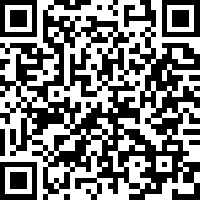


When a threat is detected, the system sends an immediate warning notification along with clear instructions on what to do. Messages may instruct people to enter protected shelters or safe rooms. Because the alerts are geographically targeted, only people in affected areas receive the warning.
Another widely known alert tool is the Red Alert app. This application monitors the same civil defence alert network and provides extremely rapid notifications whenever rocket sirens are activated. Many residents use it to receive alerts directly on their phones, especially when travelling between cities.
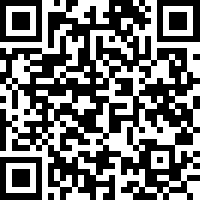


If mobile networks are down, but internet is still working the site can be viewed via the Tzofar website.
In addition to mobile alerts, Israel also uses nationwide siren systems that sound in towns and cities when rockets or missiles are detected. These sirens provide an audible warning so that people nearby can quickly move to shelter.
Travellers visiting cities such as Tel Aviv, Jerusalem, or Haifa may encounter these alert systems during their stay. While incidents are not constant, the warning infrastructure is designed to provide very fast notification if a threat occurs.
For visitors, understanding how these alerts work can help reduce confusion if a warning is issued. Following the instructions provided by civil defence authorities is the most important step in staying safe during an emergency situation.
UAE Emergency Alert Systems
The United Arab Emirates has developed a modern national emergency notification system designed to deliver fast warnings about severe weather and public safety incidents. Travellers visiting cities such as Dubai or Abu Dhabi may occasionally receive alerts on their phones when authorities issue a national warning.
One of the systems used for these notifications is UAE Alert. This system allows government agencies to broadcast messages across telecom networks so that people in affected areas receive immediate updates about potential risks.
Most alerts in the UAE relate to extreme weather conditions, including heavy rainfall, flash flooding, dust storms, and coastal hazards. Although the country is largely desert, intense rainfall can occasionally cause flooding in urban areas and mountain regions.
When an alert is issued, phones connected to local telecom networks may display a prominent notification accompanied by a warning tone. The message typically explains the situation and provides basic instructions, such as avoiding travel during storms or staying clear of flood-prone areas.
The UAE also uses official government social media channels and national media to reinforce emergency warnings. This multi-channel approach ensures that people receive consistent information regardless of how they access news.
Travellers in the country should ensure that emergency alerts remain enabled on their smartphones so they can receive official notifications if a warning is issued. Even if you are visiting for a short stay, these alerts provide valuable real-time information about conditions that may affect travel plans or personal safety.
Because the UAE has invested heavily in modern telecommunications infrastructure, emergency alerts can reach a large number of people within seconds. This rapid communication helps authorities keep residents and visitors informed during unusual weather events or public safety situations.
Saudi Arabia Emergency Alerts
Saudi Arabia also operates national systems designed to deliver public safety notifications and weather warnings to mobile phones. These alerts are typically managed by civil defence authorities and distributed through the country’s telecom networks.
The most common alerts issued in Saudi Arabia relate to severe weather events, particularly heavy rainfall and flash flooding. Although much of the country is desert, intense storms can occasionally produce dangerous flooding in urban areas and mountain regions.
When authorities issue an alert, mobile phones connected to local networks may receive an emergency SMS message or broadcast notification explaining the situation. These warnings may advise people to avoid travel, remain indoors, or stay away from flood-prone areas.
Civil defence agencies also use media announcements and government communication channels to ensure that information reaches as many people as possible. This coordinated approach helps authorities provide clear guidance during rapidly developing weather conditions.
Travellers visiting cities such as Riyadh, Jeddah, or Mecca may occasionally receive these notifications during periods of severe weather. Even though alerts are relatively infrequent, they are designed to provide important safety information when conditions change quickly.
For visitors, it is advisable to keep smartphone emergency alerts enabled and to pay attention to official instructions if a message appears. These alerts are issued specifically to help people avoid dangerous areas and stay safe during unusual weather events.
Qatar, Kuwait, Bahrain & Oman Alert Systems
Several Gulf countries including Qatar, Kuwait, Bahrain, and Oman operate national alert systems that rely primarily on telecom messaging and government communication channels. While these countries may not always provide dedicated public alert apps, they still use mobile networks to distribute important safety notifications.
In many cases, alerts are delivered through government-issued SMS messages sent to phones connected to local telecom providers. These warnings are typically used for severe weather events such as heavy rainfall, flooding, or strong winds.
For example, flash flooding can occasionally affect low-lying areas in parts of the Gulf region during intense storms. When these conditions occur, authorities may send mobile alerts advising residents and travellers to avoid certain roads or outdoor areas.
Governments in these countries also publish emergency information through official social media accounts and national media channels. This helps ensure that people receive updates even if they miss a mobile notification.
Travellers visiting destinations such as Doha, Muscat, Kuwait City, or Manama may therefore encounter government safety messages delivered through telecom networks or public announcements.
Although the systems vary between countries, the goal is the same: to provide timely warnings about situations that could affect public safety. Keeping emergency alerts enabled on your phone ensures you can receive these notifications if authorities issue them during your visit.
Global Emergency Alert Apps That Work in the Middle East
While government alert systems provide official warnings, many travellers also choose to install global emergency alert apps that monitor disasters and severe weather worldwide. These apps can complement national alert systems by providing additional situational awareness.
One widely used tool is Disaster Alert. This application aggregates information from scientific monitoring agencies and disaster response organisations around the world. Users can receive notifications about earthquakes, floods, wildfires, storms, and other major hazards.
Another useful tool is Windy. Windy provides detailed weather radar, satellite imagery, and storm tracking information. Travellers often use it to monitor approaching weather systems, particularly in regions where sandstorms or heavy rainfall may disrupt travel plans.
Location-sharing tools can also be extremely valuable in emergency situations. The What3Words system divides the world into small three-word address squares, allowing people to share precise locations with emergency services or travel companions.
Communication apps can also play a role during emergencies. For example, Zello allows users to communicate instantly with others using voice messages over internet connections.
When used together, these tools provide multiple layers of situational awareness for travellers. Government alerts deliver official warnings, while global apps help users monitor broader conditions such as approaching storms or developing natural hazards.
Installing a few trusted apps before travelling can therefore provide extra peace of mind and useful information during unexpected situations.
Built-In Phone Emergency Features
Modern smartphones include several built-in emergency features designed to help users contact authorities and share their location during dangerous situations. These tools are particularly valuable for travellers who may not be familiar with local emergency procedures.
One of the most widely used systems is Apple Emergency SOS. This feature allows users to quickly call local emergency services by pressing a specific combination of buttons on their device. When activated, the phone can automatically share the user’s location with emergency contacts and responders.
Android devices offer a similar system through Android Emergency SOS. This feature can trigger emergency calls, send location information to trusted contacts, and display medical information that first responders may need during a crisis.
Many smartphones also allow users to configure emergency contact details and medical information directly within the operating system. This information can sometimes be accessed from the phone’s lock screen, helping emergency responders identify the user and contact family members if necessary.
Another useful capability is automatic location sharing. When emergency services are contacted, the device can transmit GPS coordinates so responders know exactly where the caller is located.
Travellers should consider reviewing these features before a trip to ensure they are configured correctly. Understanding how to activate emergency functions quickly can make a critical difference if urgent assistance is required.
Safety Tips for Travellers in the Middle East
When travelling through the Middle East, staying informed about local safety systems can help you respond quickly if an emergency occurs. While the region includes many safe and well-developed destinations, it is still wise to understand how to receive and interpret official warnings.
One of the most important steps is to keep emergency alerts enabled on your smartphone. Many countries use cell broadcast technology to send notifications directly to devices connected to local networks. Disabling these alerts may prevent you from receiving important warnings.
Travellers should also pay attention to official government guidance and instructions included in alert messages. These instructions may advise people to seek shelter, avoid certain roads, or remain indoors during extreme weather conditions.
It can also be helpful to monitor reliable news sources and local government announcements while travelling. Many authorities publish updates through official websites and social media channels when unusual events occur.
Another practical tip is to be aware of emergency procedures in your accommodation or hotel. Staff can often provide guidance about local safety measures and what to do if an alert is issued.
Finally, travellers should ensure that their phone remains charged and connected to a mobile network whenever possible. Having access to communication and navigation tools makes it easier to receive alerts, contact assistance, and stay informed if conditions change unexpectedly.
Taking these simple precautions can help travellers feel more confident and prepared during their visit to the region.
Frequently Asked Questions
Travellers often have questions about how emergency alert systems work when visiting another country. Understanding these systems can help visitors recognise official warnings and respond appropriately.
One common question is whether tourists receive emergency alerts. In many cases, foreign visitors will receive the same alerts as residents if their phone is connected to a local mobile network and supports emergency broadcast messages.
Another frequent question concerns SIM cards. While having a local SIM card may improve connectivity, many emergency alerts are delivered through cell broadcast systems that work regardless of the SIM card used. This means travellers can still receive warnings even when roaming on an international plan.
Some travellers also ask whether alerts can be turned off. Most smartphones allow users to disable certain types of notifications, but it is generally recommended to keep emergency alerts enabled so that critical warnings can still be received.
Language is another concern for international visitors. In many countries, emergency alerts may appear in both the local language and English, particularly in destinations that receive large numbers of tourists.
If an alert appears on your phone while travelling, the best approach is to read the message carefully and follow any instructions provided by local authorities. These messages are designed to deliver clear guidance during situations where quick action may be required.

Rupert’s Handy Travel Tips
Travelling in the Middle East? Rupert has a few simple tips to help you stay informed and prepared during your trip:
- Keep emergency alerts enabled on your smartphone so you can receive official safety notifications.
- Download a reliable weather or disaster alert app before travelling, especially if you plan to explore remote areas.
- Pay attention to instructions in alert messages, as they often provide clear guidance about what actions to take.
- Ask hotel staff about local safety procedures so you know what to do if an alert is issued during your stay.
- Make sure your phone stays charged so you can receive updates and contact help if needed.
Want to meet the reindeer behind our travel tips? Find out more in our page Who is Rupert?.
Further Reading & Related App Guides
Want to prepare for every part of your journey? These related guides will help you stay informed, connected, and ready to travel with confidence.
Translate on the go with our translation apps guide → Translation Apps Guide
Keep track of exchange rates with our currency converter apps guide → Currency Converter Apps Guide
Stay connected worldwide with our eSIM apps guide → eSIM Apps Guide
Plan for any weather with our weather apps guide → Weather Apps Guide
Protect your trip with our travel insurance apps guide → Travel Insurance Apps Guide
Last Updated
4th March 2026
Affiliate Disclosure
This page contains affiliate links. If you click through and make a purchase or booking, we may earn a small commission at no extra cost to you. This helps support our work and allows us to continue providing detailed, independent travel advice. We only recommend apps and services we personally use or have verified as high-quality.


