
Why Visit Liverpool?
Liverpool is one of the UK’s most distinctive cities, known for its world-famous music heritage, passionate football culture, and iconic waterfront skyline. Set along the River Mersey, the city blends historic architecture with modern regeneration, creating a destination that feels both authentic and energetic.
What sets Liverpool apart is its identity. This is the home of The Beatles, a city where music is part of everyday life, and where cultural influence has travelled far beyond its streets. At the same time, it is one of the most important football cities in Europe, with Liverpool FC and Everton FC shaping the atmosphere on matchdays.
The city centre is compact and easy to navigate, making it ideal for short breaks. Within a relatively small area, visitors can explore historic docks, museums, galleries, shopping districts, and waterfront attractions, all connected by walkable routes and simple transport links. This accessibility makes it particularly appealing for first-time visitors.
Liverpool is also a city that rewards curiosity. Beyond the major sights, you will find independent markets, creative districts, and local food scenes that give a deeper sense of place. Whether you are visiting for culture, sport, or a relaxed weekend by the water, Liverpool offers a well-rounded experience that feels both lively and welcoming.
Liverpool at a Glance: Key Facts & Visitor Essentials
Liverpool is located in North West England, sitting on the eastern side of the River Mersey. It has a population of around 500,000 people, though the wider metropolitan area is significantly larger, making it one of the UK’s major urban centres.
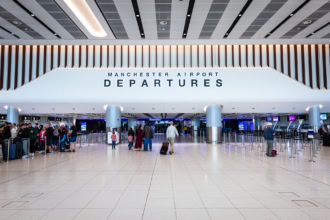
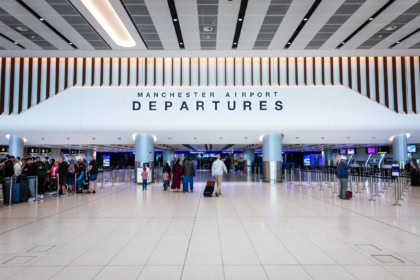
The nearest airport is Liverpool John Lennon Airport, located approximately 8 miles from the city centre, providing both domestic and international connections. For many travellers, Manchester Airport is also a practical option, with fast and frequent rail links connecting directly into Liverpool.
The city uses the British Pound (GBP), and like the rest of the UK, operates on Greenwich Mean Time (GMT) in winter and British Summer Time (BST) during the summer months.
Transport within the city is straightforward. Liverpool Lime Street Station acts as the main rail hub, connecting the city to London, Manchester, Birmingham, and beyond, while the Merseyrail network provides fast and frequent local connections across the wider area.
Liverpool is known for being compact and easy to explore, with many of its main attractions located within walking distance of each other. This makes it particularly suitable for weekend breaks and short stays, where visitors can see a large part of the city without needing extensive travel.
A Brief History of Liverpool
Liverpool’s history is deeply connected to its position as a major port city, shaping its identity for centuries. Originally a small fishing village, it grew rapidly during the 18th and 19th centuries to become one of the most important trading ports in the world.
During the height of the British Empire, Liverpool was a key gateway for trade, migration, and industry, linking Britain to North America and beyond. This period saw the construction of the city’s famous waterfront buildings, including landmarks such as the Royal Liver Building, which still define the skyline today.
The 20th century brought both decline and reinvention. As shipping routes changed and industry shifted, Liverpool faced economic challenges, but it also became a global cultural force through music. The rise of The Beatles in the 1960s transformed the city into an international symbol of creativity and youth culture.
In recent decades, Liverpool has undergone significant regeneration. The redevelopment of areas such as the Royal Albert Dock has turned former industrial spaces into thriving cultural and tourist hubs, home to museums, restaurants, and waterfront attractions.
Today, Liverpool combines its maritime heritage, musical legacy, and modern cultural scene to create a city that feels both historic and forward-looking, offering visitors a rich and varied experience.
Getting to Liverpool and Moving Around the City
Liverpool is one of the most accessible cities in the UK, with strong connections by air, rail, and road, and a transport network that makes getting around simple once you arrive.
For international and domestic travellers, Liverpool John Lennon Airport provides a convenient entry point, located a short distance from the city centre. Alternatively, many visitors arrive via Manchester Airport, which offers a wider range of long-haul routes and is connected to Liverpool by regular train services taking under an hour.
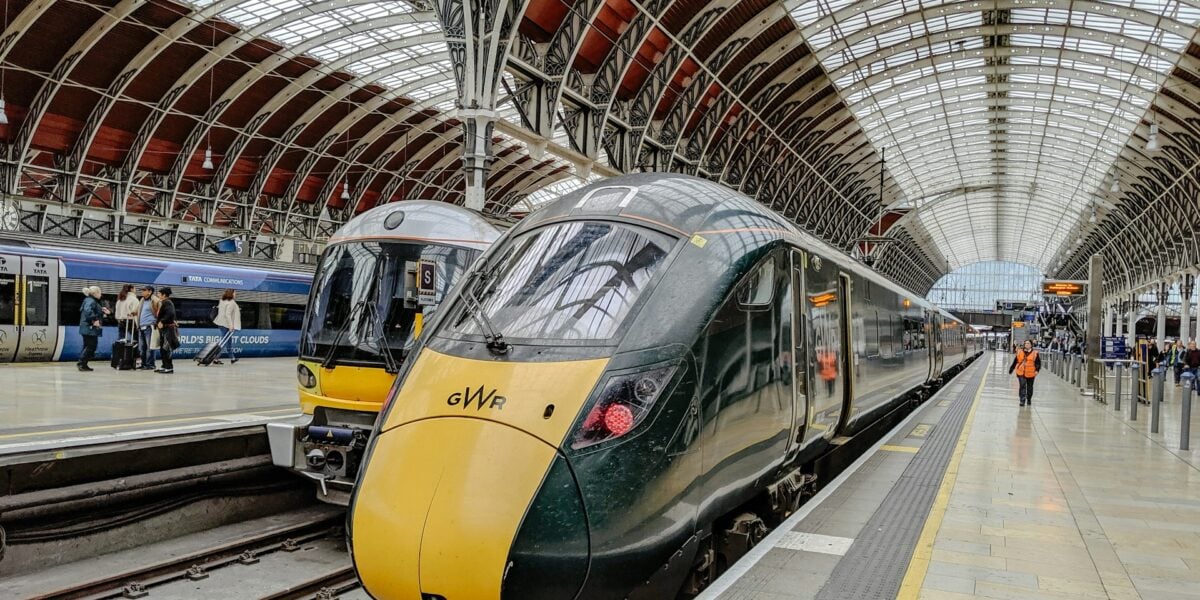
Rail travel is particularly efficient, with Liverpool Lime Street Station acting as the main gateway into the city. Direct services run from London, Manchester, Birmingham, and other major cities, making it easy to reach Liverpool without a car. For those travelling within the region, the Merseyrail network functions as a local rapid transit system, linking the city centre with surrounding areas and key suburban destinations.
Once in the city, Liverpool is highly walkable. Many of the main attractions, including the waterfront, shopping areas, and cultural sites, are located within a compact area. For longer distances, buses and taxis are readily available, while the Mersey Ferries provide a unique way to experience the city from the water.
For visitors planning to explore beyond the city centre, transport connections extend easily into surrounding regions, making Liverpool a practical base for wider travel across the North West.
Getting There & Around Liverpool
Liverpool is one of the easiest major UK cities to navigate, with strong transport links, a compact city centre, and simple ticketing systems. Whether you are arriving by air, rail, or road, getting into the city is straightforward, and once you are there, most key areas are within easy reach.
Airport Transfers to Liverpool City Centre
Most visitors arrive via Liverpool John Lennon Airport, located around 8 miles from the city centre. Despite its relatively small size, the airport is well connected by road and public transport, with several reliable options for reaching central Liverpool.
The most common choice is the airport bus service, which runs frequently and connects directly to Liverpool ONE bus station and Liverpool Lime Street Station. Journey times are typically around 30 to 40 minutes depending on traffic, making it an affordable and efficient option for most travellers.
Taxis and ride-hailing services such as Uber are widely available outside the terminal and offer a quicker, more direct journey into the city, usually taking around 20 minutes. This is often the best option for those travelling with luggage or arriving late at night.
For a full breakdown of routes, pricing, and the best options depending on your arrival time, see our Liverpool Airport Transfers Guide, which covers every route in detail and helps you choose the most efficient option.
Rail Connections and National Train Travel
Liverpool is extremely well connected by rail, with Liverpool Lime Street Station serving as the main gateway into the city. It is one of the UK’s busiest stations outside London and offers direct services to key destinations across the country.
Trains from London Euston take just over two hours, making Liverpool an easy destination for both short breaks and business travel. There are also frequent connections from Manchester, Birmingham, Leeds, and Sheffield, ensuring strong links across the North and Midlands.
One of the most popular regional routes is the connection between Manchester and Liverpool, which runs frequently throughout the day and takes under an hour. If you are travelling between these two cities, our Manchester to Liverpool Travel Guide provides a detailed comparison of train, bus, and alternative options.
Tickets can be purchased in advance online or at the station, and using rail apps can help you track live departures and secure the best fares. For visitors arriving from other parts of the UK, rail is often the fastest and most convenient way to reach Liverpool.
Local Public Transport: Merseyrail Network
Within the city and surrounding areas, the Merseyrail network acts as Liverpool’s primary local transport system. While it is technically a suburban rail network, it functions much like a metro, offering fast, frequent, and reliable connections across the region.
The network is split into two main lines, the Northern Line and the Wirral Line, both of which pass through the underground city centre loop. Stations such as Liverpool Central, Moorfields, and James Street provide easy access to key areas, including shopping districts, business centres, and waterfront attractions.
Trains run regularly throughout the day, with simple fare structures based on zones. Tickets can be purchased at stations, and contactless payment options are increasingly available, making it easy for visitors to navigate without needing complex ticketing knowledge.
For most travellers, Merseyrail is the quickest way to reach areas outside the immediate city centre, including coastal locations, suburbs, and neighbouring towns. It is also a useful option for avoiding traffic and moving efficiently between key parts of the city.


Buses, Taxis and Getting Around the City
Liverpool’s bus network fills in the gaps where rail does not reach, connecting residential areas, attractions, and nearby towns. Services are frequent on major routes, and payment is typically made using contactless cards or mobile devices, making boarding quick and simple.
Taxis are widely available across the city, with black cabs and private hire vehicles operating throughout the day and night. Ride-hailing apps provide an additional layer of convenience, particularly for visitors unfamiliar with local routes or travelling at off-peak times.
One of Liverpool’s biggest advantages is its walkability. The city centre is compact, meaning many of the main attractions, including the waterfront, shopping areas, and museums, can be reached on foot. This makes it easy to explore without relying heavily on transport.
For a more unique way to experience the city, visitors can also take to the water. The Mersey Ferries service offers both practical crossings and scenic cruises, providing a different perspective of Liverpool’s skyline. Our Mersey Ferries Guide covers routes, ticket options, and what to expect from this classic Liverpool experience.
Explore Liverpool from the Water: Transport Attractions
One of Liverpool’s most distinctive experiences is seeing the city from the River Mersey. The Mersey Ferries are far more than just a way to cross the river. They are an essential part of the city’s identity and one of the best ways to understand its historic connection to trade, travel, and maritime life.
The most popular option for visitors is the River Explorer Cruise, which offers a relaxed journey along the waterfront, passing landmarks such as the Royal Liver Building, the Albert Dock, and the city’s famous skyline. Along the way, recorded commentary explains Liverpool’s history, giving context to the buildings and docks that shaped its development.
For many visitors, this is one of the most enjoyable and informative experiences in the city. It combines sightseeing with transport, allowing you to experience Liverpool from a completely different perspective while avoiding crowded streets.
Ferries also operate practical cross-river services to the Wirral, making them useful for both sightseeing and short local journeys. Whether you are taking a full cruise or simply crossing the river, the experience adds a memorable dimension to any visit.
For routes, ticket options, and the best times to travel, see our full Mersey Ferries Liverpool Guide, which breaks down everything you need to know before boarding.
Sightseeing Made Easy: Tourist Buses and City Transport Experiences
For first-time visitors, one of the easiest ways to explore Liverpool is by using a hop-on hop-off sightseeing bus. These services provide a structured overview of the city while still allowing flexibility to explore at your own pace.
The Liverpool Hop-On Hop-Off Bus Tour follows a loop through the city’s main attractions, including the waterfront, cultural quarter, and key Beatles locations. With regular departures and multiple stops, it allows visitors to step off, explore, and rejoin the route whenever they choose.
Onboard commentary provides useful context about Liverpool’s history, music heritage, and architecture, making it particularly valuable for those who want a guided introduction without committing to a full walking tour. For many travellers, it acts as a practical first step, helping them orient themselves before exploring further.
Another popular option is the Liverpool City and Beatles Tour Bus, which focuses specifically on the story of The Beatles. This tour visits key locations such as Penny Lane and Strawberry Field, offering a deeper look into the city’s musical heritage.
Both experiences are ideal for visitors with limited time, as they combine transport, storytelling, and sightseeing into a single activity. If you are deciding between options or want a full breakdown of routes and ticket choices, see our detailed Liverpool Hop-On Hop-Off Bus Guide and Beatles Tour Bus Guide.
Top Attractions in Liverpool
Liverpool’s main attractions are concentrated within a compact area, making it easy to visit several highlights in a single day. Rather than spreading out across a large city, many of the most important sights sit around the waterfront and city centre, allowing for efficient sightseeing.
One of the most visited attractions is The Beatles Story, located at the Albert Dock. This immersive museum tells the story of the band’s rise to global fame, using exhibits, audio guides, and recreated environments to bring their journey to life. For fans of music history, it is one of the most complete Beatles experiences available anywhere in the world.
Football also plays a major role in the city’s appeal. A visit to Anfield Stadium offers the chance to go behind the scenes at one of the most famous football grounds in Europe. The stadium tour includes access to dressing rooms, the tunnel, and the pitchside area, along with entry to the club museum.
Beyond these headline attractions, the waterfront itself is a major draw. The Royal Albert Dock is home to museums, galleries, restaurants, and open public spaces, making it a natural starting point for exploring the city. Nearby, the iconic Three Graces buildings define Liverpool’s skyline and reflect its maritime heritage.
For a more structured overview of routes, pricing, and how to prioritise your visit, each of these attractions is covered in detail within their dedicated guides, allowing you to plan efficiently based on your interests.
Liverpool’s Historic Landmarks and Cultural Icons
Liverpool’s character is shaped by its history, and many of its most recognisable landmarks are concentrated along the waterfront and surrounding districts. These sites reflect the city’s role as a major port and its influence on global trade and culture.
The Royal Liver Building is perhaps the most iconic structure in the city, standing as part of the famous Three Graces overlooking the River Mersey. Alongside it, historic docklands and warehouses have been transformed into cultural spaces, preserving the city’s industrial heritage while giving them a modern purpose.
Music history is equally important. Locations such as Penny Lane and Strawberry Field remain key pilgrimage sites for fans of The Beatles, offering a connection to the early lives of one of the most influential bands in history.
Walking through Liverpool, you will notice how these elements blend together. Grand historic buildings sit alongside modern developments, while museums and galleries provide insight into both local and global history. This combination gives the city a strong sense of identity, where past and present coexist in a way that feels natural rather than forced.
For visitors, exploring these landmarks is not just about ticking off sights. It is about understanding how Liverpool developed into one of the UK’s most culturally significant cities, and why it continues to attract visitors from around the world.
The Beatles in Liverpool: Music Heritage & Must-Visit Locations
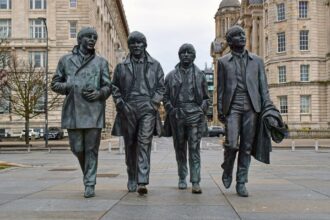
No visit to Liverpool is complete without exploring its connection to The Beatles, the most famous band in the world. The city is filled with locations linked to their early lives and rise to global success, making it one of the most important music destinations anywhere.
The best place to begin is The Beatles Story, located at the Royal Albert Dock. This immersive attraction provides a complete overview of the band’s journey, combining interactive exhibits, audio guides, and recreated environments to bring their story to life. For most visitors, it is the easiest way to understand the full history before exploring the city itself.
From there, you can explore key locations across Liverpool, including the legendary Cavern Club, where the band performed in their early years and which still hosts live music today. Visiting this venue offers a direct connection to Liverpool’s musical roots and remains one of the most authentic experiences in the city.
Other famous sites such as Penny Lane and Strawberry Field provide further insight into the band’s background, with locations that remain instantly recognisable to fans and continue to attract visitors from around the world.
For those who want to explore further, there are guided options available that connect these locations into a single route, but for most visitors, starting with the museum and then exploring at your own pace offers the best overall experience.
Hidden Gems & Local Secrets in Liverpool
Beyond the main attractions, Liverpool rewards visitors who explore a little deeper. Away from the busy waterfront, the city reveals a more creative and local side, filled with independent venues, street art, and alternative neighbourhoods.
One of the standout areas is the Baltic Triangle, a former industrial district that has transformed into Liverpool’s creative hub. Here you will find street food markets, live music venues, pop-up bars, and art spaces, all contributing to a constantly evolving atmosphere. It is one of the best places in the city to experience Liverpool’s modern culture away from the typical tourist routes.
For something quieter, Sefton Park offers a completely different pace. This large green space is popular with locals and provides lakeside walks, open lawns, and historic features such as the Palm House. It is an ideal place to take a break from the city centre and see how Liverpool residents spend their downtime.
Another underrated experience is simply exploring the Georgian Quarter, where elegant streets, historic buildings, and independent cafés create a more relaxed and authentic feel. This area highlights Liverpool’s architectural heritage without the crowds found around the docks.
These lesser-known spots help balance the major attractions, giving visitors a more complete view of the city. If you have extra time, stepping away from the main sights often leads to the most memorable experiences.
Indoor Attractions & Rainy-Day Ideas
Liverpool is well prepared for the British weather, with a wide range of indoor attractions, museums, and cultural spaces that make it easy to enjoy the city even on rainy days.
One of the most popular indoor experiences is The Beatles Story, located at the Albert Dock. This immersive attraction provides a detailed look at the band’s journey, combining interactive exhibits, recreated environments, and audio storytelling to bring the experience to life.
The city is also home to several free museums and galleries, including the Museum of Liverpool and the World Museum, both offering engaging exhibitions covering history, science, and global cultures. These venues are particularly useful for families or visitors looking for high-quality experiences without additional cost.
For something more relaxed, Liverpool’s café culture provides plenty of options to escape the weather. Areas such as the Baltic Triangle and city centre are filled with independent coffee shops and casual dining spots, making it easy to take a break and recharge.
If you are planning your visit during the wetter months, it is worth building a flexible itinerary that includes a mix of indoor and outdoor activities. Liverpool’s strength lies in its ability to offer engaging experiences regardless of the weather, ensuring that your trip is not disrupted by rain.
Seasonal Highlights & Annual Events in Liverpool
Liverpool hosts a wide range of events, festivals, and cultural celebrations throughout the year, adding an extra dimension to any visit. Timing your trip to coincide with one of these events can significantly enhance your experience.
One of the most striking events is the River of Light festival, which transforms the waterfront into an open-air gallery of illuminated installations and large-scale artworks. This free event attracts visitors from across the UK and is particularly impressive after dark, when the city’s skyline becomes part of the display. For full details on routes, timings, and what to expect, see our River of Light Liverpool Guide.
Music also plays a major role in the city’s event calendar, with festivals and live performances taking place throughout the year. Given Liverpool’s global reputation as the home of The Beatles, it is no surprise that music events and cultural celebrations remain a central part of the city’s identity.
During the summer months, the waterfront becomes especially lively, with outdoor events, food markets, and pop-up entertainment creating a vibrant atmosphere. In winter, the city shifts focus to seasonal markets and festive events, making it an appealing destination year-round.
Checking event schedules in advance can help you align your visit with something unique, turning a standard city break into a more immersive and memorable experience.
Parks, Gardens & Waterfront Walks
Liverpool offers a strong balance between urban attractions and green spaces, making it easy to combine sightseeing with time outdoors. While the city is known for its waterfront, it also features several parks and open spaces that provide a quieter contrast.
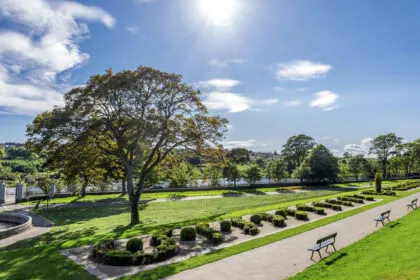
The most notable is Sefton Park, a large and well-maintained green space located just outside the city centre. It features wide walking paths, a boating lake, and landscaped gardens, making it a popular spot for both visitors and locals. The historic Palm House adds an extra point of interest and is often used for events and exhibitions.
Closer to the centre, the waterfront itself acts as one of Liverpool’s most scenic walking routes. Stretching along the River Mersey, it connects key landmarks such as the Royal Albert Dock, the Three Graces, and the Pier Head, offering uninterrupted views across the river. This area is particularly enjoyable in the early morning or evening, when the crowds are lighter and the light reflects off the water.
For visitors who enjoy photography or relaxed walking, these areas provide some of the best views in the city. They also offer a natural break between major attractions, allowing you to slow down and experience Liverpool at a different pace.
Where & What to Eat in Liverpool
Liverpool has developed into one of the UK’s most exciting food cities, offering a mix of traditional dishes, international cuisine, and modern street food culture. Whether you are looking for a quick bite or a full dining experience, there is plenty of variety across the city.
One of the most famous local dishes is Scouse, a hearty stew traditionally made with meat and vegetables. While not every visitor seeks it out, it remains an important part of the city’s identity and can still be found in traditional pubs and local eateries.
For a more contemporary experience, the Baltic Market in the Baltic Triangle is a standout. This indoor street food venue brings together multiple independent vendors, offering everything from gourmet burgers and global street food to desserts and craft drinks. It is one of the best places to experience Liverpool’s modern food scene in a relaxed setting.
The Royal Albert Dock area also offers a wide range of dining options, from casual cafés to more refined restaurants, many with views across the waterfront. This makes it a popular choice for both daytime meals and evening dining.
Across the city centre, you will find a growing number of independent restaurants, coffee shops, and casual dining spots, particularly around Bold Street and the Georgian Quarter. These areas are ideal for visitors who want something a little different from chain restaurants.
Overall, Liverpool’s food scene reflects the city itself. It is diverse, welcoming, and constantly evolving, making it easy to find something that suits your taste and budget.
Top Cities and Day Trips from Liverpool
Liverpool’s location in the North West makes it an excellent base for exploring nearby destinations, with fast rail connections and easy travel routes opening up a range of day trip opportunities.
The most obvious and popular option is Manchester, located less than an hour away by train. This neighbouring city offers a different but equally vibrant atmosphere, with shopping, museums, football culture, and nightlife all within easy reach. If you are planning to travel between the two, our Manchester to Liverpool Travel Guide provides a full breakdown of routes, travel times, and ticket options.
For something slightly different, Liverpool also acts as a gateway to the Isle of Man, with regular ferry services departing from the waterfront. This route offers a chance to extend your trip beyond mainland England, combining a city break with a more relaxed island experience. Our Liverpool to Isle of Man Ferry Guide explains how the route works, including schedules, pricing, and what to expect on board.
Closer to the city, there are also smaller coastal towns and countryside areas worth exploring, particularly along the Mersey and into Cheshire. These are easily accessible by train or local transport, making Liverpool a practical base for both urban and rural exploration.
Whether you are planning a short break or a longer stay, Liverpool’s connections make it easy to combine multiple destinations into one trip.
Local Culture, Etiquette & What to Expect
Liverpool is known for its friendly and outgoing atmosphere, and visitors often comment on how welcoming the city feels. Locals, often referred to as “Scousers,” are generally approachable and proud of their city, particularly its music, football, and cultural identity.
Football is a major part of life here, and matchdays involving Liverpool FC or Everton FC can significantly change the energy of the city. Pubs and streets become busier, and there is a strong sense of community around these events. Even for non-football fans, the atmosphere can be an interesting part of the experience.
Music is equally important, with the legacy of The Beatles still visible throughout the city. From themed attractions to live performances, music remains a central part of Liverpool’s identity.
In terms of etiquette, Liverpool follows standard UK norms. Queueing is expected, politeness is appreciated, and tipping is usually modest, typically around 10 to 12 percent in restaurants if service is not already included.
Overall, Liverpool is a relaxed and easy-going city, making it comfortable for international visitors and first-time travellers alike.
Where to Stay in Liverpool
Choosing where to stay in Liverpool is relatively straightforward, as most visitors will find the city centre and waterfront areas the most convenient.
Staying near the Royal Albert Dock or Pier Head places you within walking distance of many major attractions, including museums, restaurants, and ferry terminals. This area is particularly popular for short stays and first-time visits, as it allows you to explore the city without needing transport.
The city centre around Liverpool ONE and Lime Street is another strong option, offering easy access to shopping, transport links, and nightlife. This area is ideal for travellers who want to be close to everything, including train connections for day trips.
For a quieter stay, the Georgian Quarter provides a more relaxed environment, with historic buildings, independent cafés, and a slower pace. It is still within walking distance of the main attractions but feels less busy than the central shopping areas.
Liverpool offers a wide range of accommodation options, from budget hotels and serviced apartments to higher-end stays, making it accessible for different travel styles and budgets.
Toilets & Accessibility in Liverpool
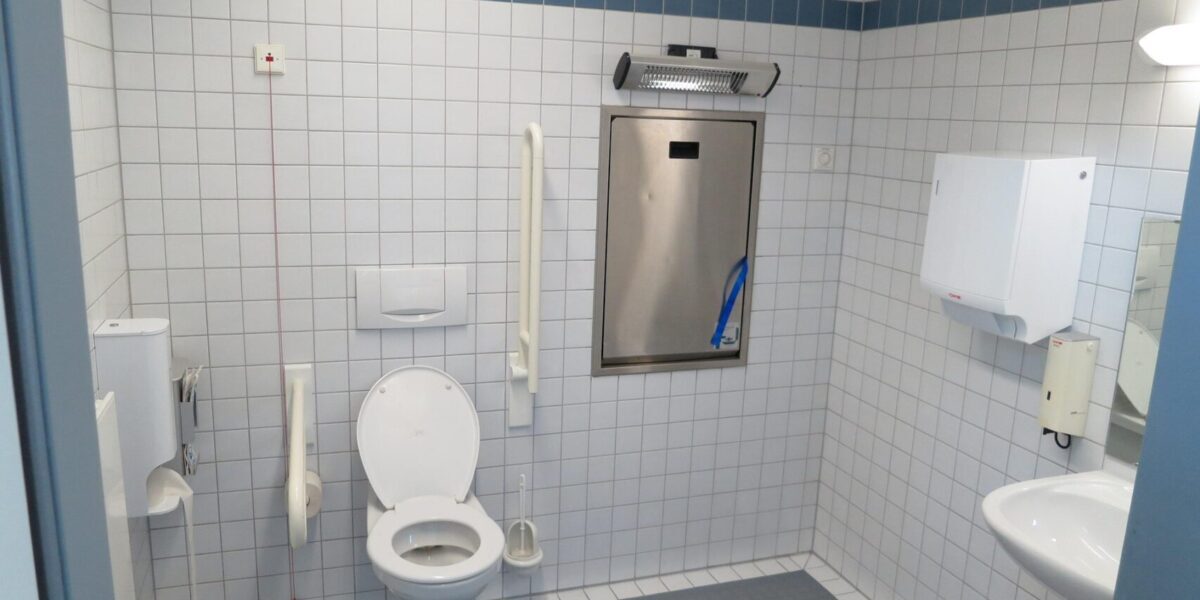
Liverpool is generally well equipped for visitors, with public toilets and accessible facilities available across the city centre and major attractions. Most large venues, including museums, shopping centres, and transport hubs, provide clean and well-maintained facilities, making it easy to plan your day without concern.
Key locations such as Liverpool ONE, Liverpool Lime Street Station, and the Royal Albert Dock all offer public toilets, including accessible and baby-changing facilities. Many cafés, restaurants, and bars also allow customers to use their facilities, particularly if you are purchasing food or drinks.
In terms of accessibility, Liverpool performs well compared to many UK cities. The Merseyrail network includes step-free access at several stations, and improvements continue to be made across the system. Major attractions and museums are typically wheelchair accessible, with lifts and ramps where needed.
Walking routes across the city centre are mostly flat, particularly around the waterfront, making Liverpool a good destination for visitors with reduced mobility. However, some older areas may include cobbled streets or uneven surfaces, so it is worth planning routes in advance where necessary.
Weather & Best Time to Visit Liverpool
Liverpool experiences a typical UK maritime climate, with mild temperatures throughout the year and a higher likelihood of rain compared to inland cities. While the weather can be unpredictable, it rarely reaches extremes, making it a year-round destination.
The most popular time to visit is during late spring and summer, when longer daylight hours and warmer temperatures make it easier to explore the waterfront and outdoor attractions. This is also when the city feels most vibrant, with events, outdoor dining, and a lively atmosphere across the centre.
Autumn can be a good alternative, offering fewer crowds and lower accommodation prices, while still providing comfortable conditions for sightseeing. Winter visits are quieter but can be particularly appealing during the festive season, when markets and seasonal events add to the atmosphere.
Because rain is always a possibility, it is best to plan a flexible itinerary that includes both indoor and outdoor activities. Liverpool’s strength lies in its variety, meaning you can easily adjust your plans without losing out on the experience.
Staying Connected: eSIMs, Wi-Fi & Mobile Data
Staying connected in Liverpool is simple, with strong mobile coverage, widespread Wi-Fi, and reliable network speeds across the city.
Most hotels, cafés, and public venues offer free Wi-Fi, particularly in the city centre and tourist areas. This makes it easy to access maps, book tickets, and stay in touch while exploring.
For international travellers, using an eSIM is often the most convenient option. It allows you to activate mobile data instantly without needing a physical SIM card, ensuring you have access to maps, transport apps, and booking platforms as soon as you arrive.
If you are planning to rely on mobile data throughout your trip, our eSIM Apps Guide compares the best options for coverage, pricing, and ease of use, helping you choose the most reliable solution before travelling.
Overall, Liverpool is a well-connected city, making it easy to navigate, plan, and adapt your itinerary on the go.
Safety, Laws & Practical Advice
Liverpool is considered a safe city for visitors, particularly in the main tourist areas such as the waterfront, city centre, and major attractions. As with any urban destination, it is sensible to remain aware of your surroundings, especially in crowded areas or at night.
Pickpocketing is relatively uncommon compared to larger European cities, but basic precautions such as keeping valuables secure and avoiding unattended belongings are always recommended. Areas around transport hubs and busy nightlife districts can become crowded, so it is best to stay alert in these locations.
UK laws and regulations apply in Liverpool, including strict rules on smoking in indoor public spaces and responsible alcohol consumption. Public behaviour is generally relaxed, but respect for others and basic politeness are expected.
For most travellers, Liverpool feels friendly, welcoming, and easy to navigate, making it a comfortable destination for both solo visitors and families.

Rupert’s Handy Travel Tips
Planning a trip to Liverpool? Here are a few practical tips to help you make the most of your visit:
- Start at the waterfront: The Royal Albert Dock is the best place to get your bearings and access major attractions quickly.
- Book key attractions early: Popular experiences like The Beatles Story and Anfield Stadium tours can sell out, especially at weekends.
- Use Merseyrail for quick travel: It’s the easiest way to move beyond the city centre without relying on taxis.
- Plan for the weather: Liverpool can change quickly, so mix indoor attractions with outdoor exploring.
- Take a ferry ride: Seeing the skyline from the River Mersey is one of the most memorable experiences in the city.
Want to meet the reindeer behind our travel tips? Find out more in our page Who is Rupert?.
Frequently Asked Questions About Liverpool
Is Liverpool worth visiting?
Yes, Liverpool is one of the UK’s most rewarding cities to visit. It offers a mix of music history, football culture, waterfront attractions, and museums, all within a compact and easy-to-explore area.
How many days do you need in Liverpool?
Most visitors find that two to three days is enough to see the main attractions, including the waterfront, museums, and key tours. A longer stay allows time for day trips and a more relaxed pace.
Is Liverpool a walkable city?
Yes, Liverpool is highly walkable. The city centre, waterfront, and major attractions are all within a relatively small area, making it easy to explore on foot.
What is the best area to stay in Liverpool?
The best areas are the city centre and waterfront, particularly around the Royal Albert Dock or Liverpool ONE, where you are close to attractions, restaurants, and transport links.
Do you need a car in Liverpool?
No, a car is not necessary for most visitors. The city is easy to navigate using walking, local transport, and taxis, and many attractions are centrally located
Further Reading & Related App Guides
Want to make the most of your time in Liverpool and beyond? Start by planning your arrival with our Liverpool Airport Transfers Guide, which explains the fastest and easiest ways to reach the city centre from the airport.
To experience the city from the water, our Mersey Ferries Liverpool Guide breaks down routes, ticket options, and what to expect on one of Liverpool’s most iconic journeys.
If you are interested in music history, our Liverpool Beatles Tour Bus Guide takes you through key locations such as Penny Lane and Strawberry Field, offering a deeper look into the city’s most famous story.
For wider travel planning, our Manchester to Liverpool Travel Guide compares train and bus options between the two cities, helping you move easily across the North West.
Finally, staying connected is essential when travelling, and our eSIM Apps Guide will help you find the best mobile data options so you can navigate, book, and explore without interruption.
Last Updated
April 2026
Affiliate Disclosure
This page contains affiliate links. If you click through and make a purchase or booking, we may earn a small commission at no extra cost to you. This helps support our work and allows us to continue providing detailed, independent travel advice. We only recommend apps and services we personally use or have verified as high-quality.