

Why Visit Aberdeen
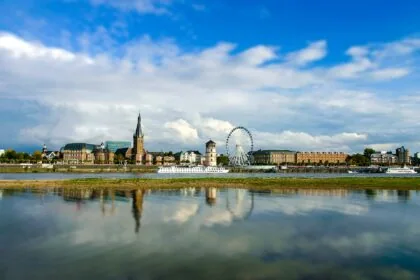
Aberdeen offers a different perspective on Scotland, combining a compact city centre with easy access to some of the country’s most striking coastal and countryside landscapes. Often referred to as the “Granite City,” Aberdeen’s architecture is one of its defining features, with locally quarried stone giving buildings a distinctive silver-grey appearance that catches the light along the seafront and historic streets.
Unlike busier destinations such as Edinburgh, Aberdeen feels more relaxed and less crowded, making it a strong choice for travellers who want to explore without the intensity of peak tourist areas. The city has a growing food scene, a walkable centre, and a mix of cultural attractions, while still retaining a practical, lived-in feel.
What really sets Aberdeen apart is its location on Scotland’s north-east coast. Within a short distance, you can reach the royal landscapes of Royal Deeside, explore the dramatic ruins of Dunnottar Castle, or follow scenic routes that connect to the wider Highlands. This makes the city an excellent base for travellers who want to combine urban convenience with day trips and longer journeys.
For those planning a trip, Aberdeen works particularly well as part of a wider Scotland itinerary, especially if you are looking to balance well-known destinations with places that feel more local, more accessible, and less commercialised.
Quick Facts About Aberdeen
| Category | Details |
|---|---|
| Location | North-east Scotland, UK |
| Population | Approx. 200,000 |
| Known For | Granite architecture, energy sector, coastal setting |
| Nearest Airport | Aberdeen International Airport |
| Main Train Operator | ScotRail |
| Currency | British Pound (£) |
| Language | English |
| Best Time to Visit | Late spring to early autumn (May–September) |
| Nearby Highlights | Royal Deeside, Cairngorms National Park |
| Coastline | North Sea beaches and coastal paths within walking distance |
A Brief History of Aberdeen
Aberdeen’s origins lie at the meeting points of the Rivers Dee and Don, where early settlements developed into a trading hub with strong links to Scandinavia and mainland Europe. Its coastal position helped establish the city as an important fishing port and commercial centre, roles that shaped its development for centuries.
During the medieval period, Aberdeen expanded in both economic and cultural importance. The founding of the University of Aberdeen in 1495 cemented its reputation as a centre of education, a legacy that continues to influence the city today.
From the 18th to the early 20th century, Aberdeen became known for its granite industry, with local quarries supplying stone for buildings across the UK and beyond. This industry defined much of the city’s appearance, creating the uniform architectural style that gives Aberdeen its distinctive identity.
In the late 20th century, the discovery of North Sea oil transformed Aberdeen into the “Energy Capital of Europe.” This brought rapid economic growth, international connections, and a more modern skyline. Today, while oil and gas remain important, the city is increasingly focused on renewable energy, technology, and tourism, blending its industrial heritage with a more diversified future.
Getting to Aberdeen & Getting Around
By Air (Aberdeen Airport)
Aberdeen International Airport is located approximately 7 miles (11 km) northwest of the city centre, making it one of the more convenient regional airports in the UK. It offers regular domestic flights, particularly from London Heathrow and Gatwick, along with a smaller number of European connections.
The most reliable and cost-effective way to reach the city centre is by bus. The Stagecoach Jet 727 service runs frequently, typically every 10 to 20 minutes during peak daytime hours, with slightly reduced frequency in the evening. Journey times are usually between 25 and 35 minutes, depending on traffic conditions. Buses depart directly from outside the terminal and arrive at Union Square Bus Station, which is the city’s main transport hub. A standard single ticket typically costs around £4 to £6, with day tickets available for multiple journeys.
Taxis are available from the official airport rank, with fares to the city centre generally ranging between £20 and £30, depending on traffic and time of day. Ride-hailing services operate in Aberdeen, although availability can vary during peak periods. If you are planning to explore beyond the city, car hire is widely available at the airport and can be a practical option.
For a full breakdown of routes, ticket options, and the best way to reach your accommodation, see our Aberdeen Airport Transfers guide, which compares all available options in detail.
By Train
Aberdeen is well connected to the UK rail network, making train travel one of the most convenient and scenic ways to reach the city. Services are operated primarily by ScotRail, alongside long-distance providers connecting Aberdeen with major UK cities.
Direct trains from Edinburgh run approximately once per hour, with journey times typically between 2 hours 20 minutes and 2 hours 40 minutes. Services from Glasgow are slightly less frequent and usually take between 2.5 and 3 hours. There are also direct trains from London King’s Cross, which take around 7 hours, offering both daytime and overnight options.
Aberdeen Railway Station is centrally located next to Union Square, meaning you can walk to most hotels, restaurants, and attractions within minutes of arrival. This makes rail one of the easiest and most stress-free ways to travel, particularly if you are staying in the city centre.
If you are planning to travel more widely across Scotland, it is worth reading our ScotRail guide for routes, ticket types, and travel tips, as well as our Scotland Rail Pass guide, which explains when a pass can offer better value than individual tickets. These are especially useful if you intend to combine Aberdeen with destinations such as the Highlands or the east coast.
By Car
Driving to Aberdeen is a practical option, particularly if you want the flexibility to explore surrounding regions at your own pace. The city is connected to the rest of Scotland via major routes, with the A90 providing the main link to Dundee and Edinburgh along the east coast.
The journey from Edinburgh typically takes around 2.5 to 3 hours, depending on traffic and road conditions, while routes from Glasgow may take slightly longer. Driving gives you the freedom to stop along the way, which can be especially worthwhile if you are travelling through coastal areas or planning a more scenic route.
One of the biggest advantages of travelling by car is the ability to easily reach destinations that are less accessible by public transport. Areas such as Royal Deeside, along with smaller coastal towns and castle routes, are far easier to explore with your own vehicle.
Parking in Aberdeen city centre is available but can be limited during busy periods. There are several multi-storey car parks, particularly around Union Square, as well as on-street options. If you are staying overnight, many hotels offer parking, although charges may apply.
Ferries & Sea Travel from Aberdeen
Aberdeen is home to one of Scotland’s most important ferry terminals, providing regular connections to the Northern Isles via NorthLink Ferries. These services link the city with both Shetland and Orkney, making Aberdeen a key departure point for island travel.
Ferries operate from the Port of Aberdeen, located close to the city centre and easily reached by taxi or a short walk from central areas. The main route runs between Aberdeen and Lerwick in Shetland, with many sailings also stopping at Kirkwall in Orkney along the way.
Sailings typically run daily, with most departures taking place in the evening, arriving the following morning in Shetland. Journey times are approximately 12 to 14 hours to Lerwick, while the crossing to Orkney is shorter at around 6 to 7 hours, depending on the service and whether it continues onwards to Shetland.
Passengers can choose between reclining seats and private cabins, with onboard facilities including restaurants, lounges, and basic entertainment. For longer journeys, particularly to Shetland, booking a cabin is strongly recommended, as the crossing operates more like an overnight travel experience.
Ferry travel from Aberdeen is particularly popular for those planning to explore Scotland’s more remote islands, and it can be combined with rail or road travel to create a wider itinerary. Advance booking is recommended, especially during summer months and peak travel periods, when demand for cabins is high.
For detailed planning, including timetables, cabins, and booking tips, see our Aberdeen to Shetland Ferry Guide and Aberdeen to Orkney Ferry Guide, which explain how to choose the right sailing and make the most of your journey. If you are travelling elsewhere in Scotland, our CalMac Ferries guide covers west coast routes and helps you compare ferry networks across the country.
Local Transport (Buses, Taxis & Apps)
Getting around Aberdeen is relatively simple, thanks to a compact and walkable city centre combined with a reliable bus network. Many of the main attractions, shops, and restaurants are within walking distance, particularly around Union Street, the harbour, and the city centre.
For longer distances, local buses are the primary form of public transport. Services are operated mainly by First Bus and Stagecoach, with frequent routes covering the city and surrounding suburbs. On major routes, buses typically run every 10 to 15 minutes during the day, with reduced frequency in the evenings and on Sundays. Contactless payment is widely accepted, making it easy to travel without needing cash, and a standard day ticket usually costs around £4 to £5, offering good value for multiple journeys.
Taxis are widely available and can be found at ranks throughout the city, particularly near Union Square and Aberdeen Railway Station. They are a convenient option for short journeys or late-night travel when bus services are less frequent. Ride-hailing apps are available, although coverage can vary depending on demand and time of day.
Overall, Aberdeen’s transport system is reliable, easy to use, and cost-effective, making it straightforward to explore both the city itself and the surrounding region.
Top Attractions in Aberdeen
Aberdeen offers a varied selection of attractions that combine history, coastal scenery, and cultural experiences, all within a relatively compact area. While it may not have the headline landmarks of larger cities, its appeal lies in the variety and accessibility of what it offers.
One of the most recognisable buildings in the city is Marischal College, one of the largest granite buildings in the world. Its impressive façade dominates the city centre and reflects Aberdeen’s architectural identity. Nearby, the Aberdeen Maritime Museum provides insight into the city’s relationship with the sea, from fishing and shipbuilding to the modern energy industry.
The coastline is another major highlight. Aberdeen Beach stretches along the North Sea and offers wide open views, walking paths, and a very different atmosphere from the city centre. This is one of the easiest places to experience Aberdeen’s coastal setting without needing to travel far.
Just outside the city, Dunnottar Castle is one of Scotland’s most dramatic landmarks, perched on a clifftop overlooking the sea. It is one of the most popular excursions from Aberdeen and a key reason many visitors base themselves here.
If you are interested in local food and drink experiences, you may also want to visit the City of Aberdeen Distillery. Our Aberdeen Gin Distillery Tours guide explains how to book tastings, what to expect, and whether it is worth including in your itinerary.
For a full breakdown of attractions, including tickets, tours, and seasonal experiences, see our Things to Do in Aberdeen guide, which covers each location in more detail and helps you plan your itinerary efficiently.
Historical Highlights & Landmarks in Aberdeen
Aberdeen’s history is visible throughout the city, particularly in its granite architecture, religious buildings, and university heritage. Exploring these landmarks provides a deeper understanding of how the city developed from a medieval trading port into a modern regional centre.
The area known as Old Aberdeen is one of the most historically significant parts of the city. Here, you will find cobbled streets, historic buildings, and the University of Aberdeen, which has played a central role in the city’s identity for centuries. The atmosphere here is noticeably different from the modern city centre, offering a quieter and more traditional setting.
Religious landmarks also form an important part of Aberdeen’s history. St Machar’s Cathedral, located in Old Aberdeen, is one of the most prominent examples, known for its distinctive twin towers and long-standing connection to the city’s past.
Back in the city centre, the widespread use of granite in buildings such as Marischal College and surrounding streets highlights the importance of the granite industry, which shaped Aberdeen’s development in the 18th and 19th centuries. This gives the city a consistent architectural style that is both functional and visually distinctive.
Together, these landmarks create a city that feels historically grounded while still modern, offering visitors a clear sense of place without the overwhelming scale of larger historic destinations.
Hidden Gems & Local Secrets in Aberdeen
Beyond its main attractions, Aberdeen rewards visitors who take the time to explore a little further. The city has a number of lesser-known spots that offer a more local perspective, often without the crowds found in more established tourist destinations.
One of the most interesting areas to explore is Footdee (locally known as “Fittie”), a small fishing village at the eastern end of Aberdeen Harbour. Tucked away behind the beach, this cluster of cottages feels almost separate from the rest of the city, with narrow lanes, colourful gardens, and a strong sense of community. It is easy to miss, but well worth seeking out if you want to see a more traditional side of Aberdeen.
Another overlooked highlight is the coastal path south of the city, which offers quieter walking routes with views over the North Sea. These stretches of coastline are far less busy than the main beach area and provide a more rugged and natural setting. They also form part of longer scenic routes that connect to nearby towns and landmarks.
For something slightly different, exploring Aberdeen’s smaller museums and independent galleries can reveal aspects of the city that larger attractions do not cover. These spaces often focus on local history, maritime heritage, and contemporary art, giving a more personal insight into the area.
These hidden spots are not always heavily promoted, but they help show a side of Aberdeen that feels more authentic, more relaxed, and less commercialised, which is often what travellers remember most.
Indoor Attractions & Rainy-Day Ideas
Aberdeen’s coastal location means that weather can be unpredictable at any time of year, so having a plan for indoor activities is essential. Fortunately, the city has a strong selection of attractions that work well regardless of conditions.
The Aberdeen Maritime Museum is one of the best places to start, offering detailed exhibits on the city’s long relationship with the sea, from fishing and shipbuilding to its role in the offshore energy industry. It is centrally located and easy to combine with other city centre attractions.
Art and culture are also well represented. Aberdeen Art Gallery has undergone significant redevelopment in recent years and now offers a modern space showcasing both classic and contemporary works. It is one of the most accessible indoor attractions in the city and can easily fill a few hours, particularly on a rainy afternoon.
Shopping centres such as Union Square provide another option, combining retail, dining, and entertainment in one location. This can be especially useful if you are looking for somewhere to spend time between transport connections, as it sits directly above the main train and bus stations.
For families or those looking for more relaxed activities, indoor leisure options such as cinemas, cafés, and smaller cultural venues provide plenty of alternatives. Overall, Aberdeen is well equipped for weather-proof travel, ensuring that poor conditions do not significantly disrupt your plans.
Seasonal Highlights & Annual Events in Aberdeen
Aberdeen’s atmosphere changes throughout the year, with each season offering a slightly different experience. Understanding what to expect can help you plan your visit more effectively and make the most of your time in the city.
In spring and summer, the city becomes noticeably more vibrant, with longer daylight hours and milder weather making it easier to explore the coastline and surrounding countryside. This is the best time for outdoor activities, coastal walks, and day trips, particularly to areas such as Royal Deeside.
Summer also brings a range of local events, festivals, and outdoor gatherings, although these tend to be smaller and more community-focused compared to larger cities. This adds to Aberdeen’s appeal as a destination that feels more relaxed and less crowded.
In autumn, the surrounding landscapes begin to change colour, particularly in nearby rural areas and national parks. This can be an excellent time for photography and scenic drives, with fewer tourists and a quieter overall atmosphere.
Winter in Aberdeen is colder and darker, but it still has its appeal. Festive markets, seasonal events, and city centre decorations create a different kind of atmosphere, particularly in December. While weather conditions can be more challenging, indoor attractions and shorter days make it a good time for a more slow-paced city break.
Parks, Gardens & Coastal Walks
Aberdeen offers a strong mix of green spaces and coastal environments, making it easy to balance city exploration with time outdoors. This is one of the city’s key strengths, particularly during the warmer months.
Duthie Park is one of the most popular green spaces, located just south of the city centre along the River Dee. It features wide open lawns, walking paths, and the David Welch Winter Gardens, which provide an indoor botanical experience year-round. This combination makes it suitable in almost any weather.
Closer to the city centre, smaller parks and public spaces provide places to relax between sightseeing stops. These areas are often well maintained and easily accessible, making them a natural part of exploring the city on foot.
The coastline is where Aberdeen really stands out. Aberdeen Beach offers a long stretch of sand along the North Sea, with promenades, walking routes, and open views that contrast sharply with the urban environment. It is easily accessible from the city centre and is one of the most popular places for both visitors and locals.
For those looking to go further, coastal paths extend beyond the main beach area, offering quieter routes with more rugged scenery. These walks can be combined with visits to nearby landmarks such as Dunnottar Castle, making them ideal for half-day or full-day outings.
Overall, Aberdeen’s mix of parks, gardens, and coastline provides a level of outdoor variety that is not always expected from a city of its size.
Where & What to Eat in Aberdeen
Aberdeen’s food scene has developed significantly in recent years, offering a mix of traditional Scottish cuisine, fresh seafood, and modern dining options. While it may not have the same international reputation as larger UK cities, it delivers a solid, varied dining experience that suits most budgets and tastes.
One of the biggest advantages of Aberdeen is its access to the North Sea, which means seafood is a major highlight. Dishes such as fresh haddock, Cullen skink (a traditional smoked fish soup), and locally sourced shellfish are widely available and often feature on menus across the city. Many restaurants focus on simple preparation to highlight the quality of local ingredients.
The city centre, particularly around Union Street and the surrounding areas, offers the highest concentration of restaurants, ranging from casual cafés to more refined dining spots. You will also find a growing number of independent eateries, which tend to provide a more local and distinctive experience compared to chain restaurants.
Aberdeen is also well known for its connection to Scottish whisky and gin, and there are opportunities to explore this through tastings and distillery visits. For a more structured experience, see our Aberdeen Gin Distillery Tours guide, which covers tours, tastings, and booking options in detail.
For convenience, especially during busy periods, it is worth using restaurant booking apps to secure tables in advance. These can be particularly useful at weekends and during events, when popular venues fill up quickly.
Top Cities & Destinations Near Aberdeen
Aberdeen is well positioned for exploring the northeast of Scotland, with several key destinations accessible within a few hours. This makes it a strong base for travellers who want to combine city exploration with day trips and regional travel.
To the south, Edinburgh is one of the most popular onward destinations. The journey takes around 2.5 hours by train, making it a practical option for a day trip or a longer stay. Edinburgh offers a very different experience, with a larger city feel and a higher concentration of major landmarks. If you are planning this route, read our Aberdeen to Edinburgh travel guide, which compares train, bus, and driving options in detail, including journey times and typical costs.
To the northwest, Inverness acts as the gateway to the Highlands. The journey from Aberdeen takes around 2 to 2.5 hours by road, with longer options by public transport. If you are considering this route, see our Aberdeen to Inverness guide for a full comparison of travel options and how to plan the journey efficiently.
Closer to Aberdeen, Royal Deeside is one of the most accessible and rewarding areas to visit. Known for its scenery, castles, and connections to the British royal family, it is ideal for a half-day or full-day trip.
These connections make Aberdeen more than just a standalone destination. It works as a strategic base for exploring both the east coast and the wider Scottish landscape.
If you are planning to explore beyond the city, our Best Day Trips from Aberdeen guide brings together the top routes, travel times, and must-see locations, helping you build a structured itinerary without unnecessary travel time.
Cultural Norms & Local Etiquette
Aberdeen shares many cultural norms with the rest of Scotland, but there are still a few points worth understanding to ensure a smooth and respectful visit. In general, the atmosphere is friendly, informal, and welcoming, with locals used to interacting with visitors.
Politeness goes a long way. Simple gestures such as saying “please,” “thank you,” and “cheers” are expected in everyday interactions, whether you are ordering food, asking for directions, or using public transport. Queueing is taken seriously, particularly at bus stops and in shops, and it is considered poor etiquette to skip ahead.
Tipping is common but not excessive. In restaurants, a tip of around 10% is typical if service is not already included. In cafés and casual settings, tipping is less expected but still appreciated.
Aberdeen is generally relaxed in terms of dress code, although it is always worth being prepared for changing weather conditions, which can shift quickly, particularly near the coast. Layered clothing is often the most practical choice.
Finally, while Aberdeen is a modern city, it still retains a strong sense of local identity and tradition, particularly in language and humour. Visitors who take the time to engage respectfully with local customs will find the city easy to navigate and enjoyable to explore.
Where to Stay in Aberdeen
Choosing where to stay in Aberdeen is relatively straightforward, as the city offers a good range of accommodation options concentrated around the centre. Most visitors will find that staying close to Union Square, Union Street, or the railway station provides the best balance of convenience and accessibility.
The city centre is ideal for first-time visitors, as it places you within walking distance of major attractions, restaurants, and transport links. This area is particularly useful if you are arriving by train or bus, as you can easily reach your accommodation without needing additional transport.
For those looking for a quieter stay, areas slightly outside the centre offer a more relaxed atmosphere while still remaining accessible. These locations can be a good option if you prefer a slower pace or are travelling by car.
Aberdeen has a mix of independent hotels, budget options, and larger international chains, giving you flexibility depending on your budget. Prices can vary depending on the time of year and local events, so booking in advance is recommended, particularly during peak travel periods.
If you are planning to explore the surrounding region, choosing accommodation with parking or easy road access can make a significant difference. For shorter stays focused on the city itself, central locations remain the most practical choice.
Toilets & Accessibility in Aberdeen
Aberdeen is generally a well-equipped and accessible city, with facilities that make it relatively easy to navigate for most travellers. Public toilets are available, although like many UK cities, they are not always as clearly signposted as visitors might expect.
The most reliable locations for public toilets are within shopping centres, transport hubs, and major attractions. Union Square, which sits above the main train and bus stations, provides some of the most accessible and consistently maintained facilities in the city. You will also find toilets in larger supermarkets, museums, and public buildings, often free to use or available to customers.
Accessibility across the city is generally good, particularly in newer developments and central areas. Pavements in the city centre are wide and well maintained, and many crossings include dropped kerbs and signals. However, in older areas such as parts of Old Aberdeen, surfaces can be uneven or cobbled, which may require extra care.
Public transport is increasingly accessible, with most buses offering low-floor access and designated spaces for wheelchairs and prams. Train services at Aberdeen Railway Station also provide assistance, although it is recommended to arrange this in advance if needed.
Overall, while Aberdeen may not have the same level of accessibility infrastructure as larger cities, it still offers a practical and manageable environment for most visitors.
Weather & Best Time to Visit Aberdeen
Aberdeen’s weather is strongly influenced by its coastal location on the North Sea, which means conditions can change quickly and temperatures are often cooler than in other parts of the UK. Understanding the seasonal patterns will help you plan your visit more effectively.
The most popular time to visit is between May and September, when temperatures are milder, daylight hours are longer, and conditions are generally more suitable for outdoor activities. During this period, daytime temperatures typically range from 12°C to 20°C, making it ideal for exploring the city, coastline, and surrounding areas.
Spring and early summer are particularly good for coastal walks, parks, and day trips, while late summer offers the warmest conditions and the most consistent weather. However, even during these months, it is important to be prepared for wind and occasional rain, especially near the coast.
Autumn brings cooler temperatures and fewer visitors, creating a quieter atmosphere. This can be a good time for those who prefer a more relaxed experience, although shorter daylight hours should be taken into account.
Winter in Aberdeen is colder, with temperatures often ranging between 0°C and 7°C, and daylight hours significantly reduced. While snow is not guaranteed, strong winds and rain are more common. Despite this, the city remains active, and indoor attractions make it possible to enjoy a short winter city break.
In all seasons, the key to visiting Aberdeen comfortably is to dress in layers and be prepared for changing conditions.
eSIMs & Connectivity in Aberdeen
Staying connected in Aberdeen is straightforward, with strong mobile coverage and widespread Wi-Fi availability across the city. Most major UK networks provide reliable service, particularly in central areas and along main transport routes.
For international travellers, using an eSIM or travel data plan is often the easiest option. This allows you to access mobile data without needing to purchase a physical SIM card, and can usually be set up before you arrive. Coverage in Aberdeen is generally strong, although signal strength may vary slightly in more remote areas outside the city.
Free Wi-Fi is widely available in cafés, restaurants, hotels, and shopping centres, including Union Square. Many public spaces and transport hubs also offer connectivity, although speeds and reliability can vary.
If you plan to travel beyond Aberdeen, particularly into rural areas or the Highlands, it is worth ensuring you have a reliable data connection, as coverage can become more limited in remote locations.
For a full comparison of the best options, including pricing and coverage, see our eSIM apps guide, which breaks down the most reliable providers for travel in the UK and Europe.
Laws, Safety & Travel Tips
Aberdeen is considered a safe and low-risk destination, with crime levels generally lower than in many larger cities. Visitors can explore the city with confidence, although standard precautions should always be taken, particularly in busy areas or at night.
As with anywhere in the UK, it is advisable to keep an eye on personal belongings in crowded locations such as transport hubs, shopping centres, and popular attractions. Incidents are rare, but basic awareness helps avoid unnecessary issues.
Alcohol laws are similar to the rest of Scotland, with a minimum drinking age of 18. Drinking in public is generally tolerated in certain areas, but local restrictions may apply, so it is best to follow signage and local guidance.
One of the most important practical considerations in Aberdeen is the weather, particularly wind and rain. Conditions can change quickly, especially along the coast, so being prepared with appropriate clothing is essential.
Emergency services in the UK can be reached by dialling 999 or 112, and healthcare is widely accessible if required. Pharmacies are easy to find in the city centre and can provide advice for minor issues.
Overall, Aberdeen offers a safe, welcoming environment, making it suitable for solo travellers, families, and those exploring Scotland for the first time.

Rupert’s Handy Travel Tips
Heading to Aberdeen? Here are a few useful tips to help you make the most of your trip:
- Stay central if you can: Booking near Union Square or Union Street makes it much easier to get around on foot and gives you quick access to trains, buses, restaurants, and shops.
- Prepare for coastal weather: Even in summer, Aberdeen can feel cool and windy, especially near the beach, so bring a waterproof outer layer and something warm.
- Use Aberdeen as a base: The city works best when combined with trips to places like Royal Deeside, Dunnottar Castle, and the wider northeast coast.
- Do not rely on weather staying stable: Conditions can change quickly, so it is worth keeping indoor options like museums and galleries in your plan as a backup.
Want to meet the reindeer behind our travel tips? Find out more in our page Who is Rupert?.
Frequently Asked Questions About Aberdeen
Is Aberdeen worth visiting?
Yes, Aberdeen is worth visiting if you are looking for a destination that combines coastal scenery, history, and easy access to the Scottish countryside without the crowds of larger cities.
How many days do you need in Aberdeen?
Most visitors find that 2 to 3 days is enough to explore the city and take at least one day trip to nearby attractions.
What is Aberdeen best known for?
Aberdeen is best known for its granite architecture, energy industry, and coastal location, as well as its proximity to castles and scenic landscapes.
Is Aberdeen expensive to visit?
Aberdeen is generally more affordable than Edinburgh, particularly for accommodation and dining, although prices can vary depending on the season.
Can you explore Aberdeen without a car?
Yes, the city itself is easy to explore on foot and by bus, but having a car can be useful if you want to visit more remote areas nearby.
Further Reading & Related Guides
If you are planning your time in the city, make sure to read our Things to Do in Aberdeen guide, which breaks down the top attractions, experiences, and local highlights in more detail. This will help you prioritise what to see and group nearby sights together so you can explore efficiently without doubling back across the city.
Because many of the best experiences in Aberdeen are located just outside the city, it is also worth reading our Best Day Trips from Aberdeen guide. This covers places like Dunnottar Castle and Royal Deeside, which are easy to combine into a half-day or full-day itinerary and are often highlights of a trip to the region.
If you are arriving by air, our Aberdeen Airport Transfers guide explains the different options for getting into the city, including bus routes, taxi costs, and journey times. Reading this in advance can help you avoid delays and choose the most convenient option based on your arrival time.
For travellers planning to continue their journey, our Aberdeen to Edinburgh travel guide and Aberdeen to Inverness guide provide detailed comparisons of train, bus, and driving routes. These are particularly useful if you are building a multi-stop Scotland itinerary and want to understand travel times and costs between destinations.
If you are exploring Scotland more widely, it is also worth reading our ScotRail guide, which explains how the rail network works, along with ticket options and travel tips. This can help you plan longer journeys more efficiently and decide whether advance tickets or flexible travel options are the better choice.
If you are continuing your journey beyond Aberdeen, the city also serves as a gateway to Scotland’s Northern Isles. Regular ferry services depart from the Port of Aberdeen to both Shetland and Orkney, making it easy to extend your trip once you arrive. For full details on routes, journey times, cabins, and booking tips, see our Aberdeen to Shetland Ferry Guide and Aberdeen to Orkney Ferry Guide, which explain how to plan your onward travel and choose the best option for your itinerary.
Last Updated
April 2026
Affiliate Disclosure
This page contains affiliate links. If you click through and make a purchase or booking, we may earn a small commission at no extra cost to you. This helps support our work and allows us to continue providing detailed, independent travel advice. We only recommend apps and services we personally use or have verified as high-quality.