

Aberdeen to Orkney Ferry Travel Guide
The Aberdeen to Orkney ferry offers a straightforward and scenic route to Scotland’s Northern Isles, connecting the mainland with the historic town of Kirkwall. Operated by NorthLink Ferries, this route departs from the Port of Aberdeen and provides a reliable year-round service.
Compared to the longer journey to Shetland, the Orkney crossing is shorter and easier to manage, typically taking around 6 to 7 hours. This makes it a more accessible option, whether you are planning a short break or incorporating Orkney into a wider Scotland itinerary.
While many travellers fly, the ferry remains a popular choice for those who want a more relaxed journey, need to bring a vehicle, or prefer to avoid luggage restrictions. It also allows you to experience the transition from mainland Scotland to the islands in a way that flying simply cannot replicate.
Understanding how the route works, particularly the difference between services that terminate in Orkney and those continuing to Shetland, will help you choose the right sailing for your plans.
Understanding the Route: Aberdeen to Kirkwall
The ferry route between Aberdeen and Orkney is operated exclusively by NorthLink Ferries and connects the Scottish mainland with Kirkwall, the main transport hub for the islands.
Departures take place from the Port of Aberdeen, with arrivals at the ferry terminal in Kirkwall. From there, it is easy to explore the wider Orkney Mainland and surrounding islands.
One key detail is that the Orkney leg often forms part of a longer route to Shetland. This means that while some sailings are designed specifically for Orkney passengers, others are en route to Lerwick, stopping at Kirkwall before continuing north.
For passengers travelling to Orkney, this does not change the destination, but it does mean that departure times, onboard atmosphere, and journey structure can vary depending on the service you choose.
Direct vs Through Services: What You Need to Know
When booking the Aberdeen to Orkney ferry, it is important to understand the difference between direct sailings and through services.
Some ferries operate as direct routes to Kirkwall, designed primarily for passengers travelling to Orkney. These tend to offer a simpler journey, with fewer stops and a more straightforward onboard schedule.
Other sailings operate as through services to Shetland, where Kirkwall is an intermediate stop. On these journeys, the ferry will arrive in Orkney, allow passengers to disembark and board, and then continue north to Lerwick.
For most travellers, the difference is minor, but it can affect departure times, time spent onboard, and the overall feel of the journey. Through services may feel busier and slightly longer, while direct sailings can be more focused on Orkney passengers.
Because of this variation, it is always worth checking the details of your specific sailing when booking, rather than assuming all services follow the same pattern.
Departure Patterns & Sailing Schedule Explained
Ferry services between Aberdeen and Orkney operate daily throughout the year, but the exact pattern varies depending on the day of the week and season. Understanding these patterns can help you choose a sailing that best fits your itinerary.
Most departures fall into two main time windows, with ferries leaving Aberdeen at either around 17:00 or 19:00. Earlier departures are typically linked to sailings that include a scheduled stop at Kirkwall, while later departures are more likely to follow a direct or simplified overnight schedule.
Across much of the year, 17:00 departures are common on multiple days of the week, particularly during the main travel season between spring and autumn. These sailings usually arrive in Kirkwall at approximately 23:00, before continuing onwards if the service is bound for Shetland.
Later departures at 19:00 tend to operate on alternate days and form part of the standard overnight timetable. These sailings typically arrive in the Northern Isles the following morning, making them a convenient option if you prefer a later departure from Aberdeen.
The timetable changes slightly across the year, with different schedules in place for winter, summer, and late-year periods, as well as occasional adjustments during planned maintenance windows when ships operate reduced or amended services. During these periods, the number of sailings or stop patterns may vary.
Overall, the key takeaway is that the route offers consistent daily departures with a mix of earlier and later sailings, and that checking whether your chosen departure includes an Orkney stop or forms part of a longer Shetland service is an important part of planning your journey.
Cabins and Comfort Options on Board
Because the Aberdeen to Orkney ferry is a shorter crossing, your accommodation choice is less critical than on the longer Shetland route. The journey typically takes around 6 to 7 hours, meaning some travellers treat it more like an extended evening trip rather than a full overnight stay.
Cabins are still available and offer the highest level of comfort, with private en-suite facilities, beds, and a quiet space to rest. These are the best option if you want to sleep properly during the journey or simply prefer a more private and relaxed experience.
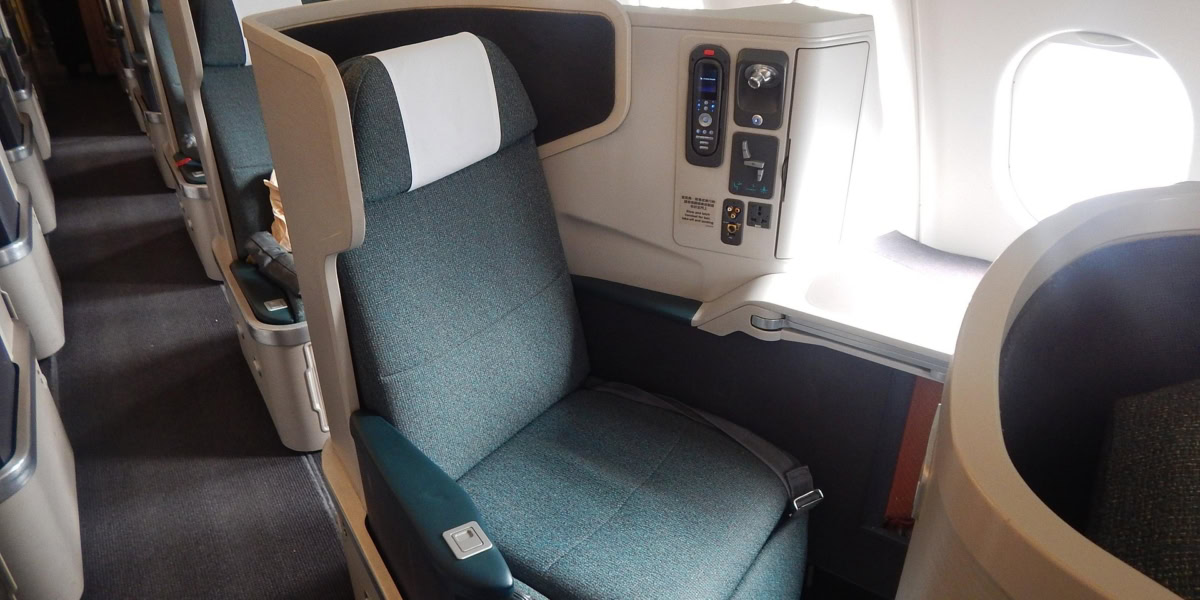
However, many passengers travelling to Kirkwall choose alternatives such as sleeping pods or reclining seats, particularly on sailings that depart later in the evening. Sleeping pods provide a dedicated lounge area, reclining seat, blanket, and charging point, making them a practical middle-ground between a cabin and standard seating.
Reclining seats are the most basic option and are suitable if you are travelling on a budget or do not plan to sleep, but they offer limited comfort compared to other options. As with all overnight ferry services, sleeping in public areas is not permitted, so reserving some form of accommodation is essential.
Overall, while cabins are still the most comfortable choice, the shorter journey means you have more flexibility in how you travel, depending on your budget and preferences.
Cabin Types: What You Need to Know
Cabins on the Aberdeen to Orkney route follow the same general categories as other NorthLink services, but your choice should be guided more by comfort preference rather than necessity.
Premium and executive cabins offer the highest level of comfort, with sea views, additional space, and access to upgraded areas such as the Magnus Lounge. These are best suited to travellers who want a more relaxed and higher-end experience, even on a shorter crossing.
Standard outside cabins provide a balance between cost and comfort, with sea views, en-suite facilities, and twin beds. These are a popular choice if you want a private space without paying for premium upgrades.
Inside cabins are the most affordable option, offering the same basic facilities but without windows. They are ideal if you simply want a quiet place to rest for part of the journey.
Sleeping pods sit outside the cabin categories but are worth considering, as they provide a dedicated resting space at a much lower cost, particularly appealing on this shorter route.
Typical Fares and What You’ll Pay
Prices for the Aberdeen to Orkney ferry are generally slightly lower than the Shetland route, reflecting the shorter journey time. However, the pricing structure follows a similar pattern, with costs varying depending on season, accommodation choice, and whether you are travelling with a vehicle.
For foot passengers, one-way fares typically start from around £27.50 in low season, rising to approximately £42 during peak periods. Children travel at reduced rates, and infants travel free.
Cabin pricing is similar to the Shetland route, as the same vessels are used. Basic inside cabins start from around £78, while outside cabins range from approximately £99 to £153 depending on the season. Premium and executive cabins are typically priced between £136 and £190, reflecting the additional comfort and included extras.
For those not booking a cabin, sleeping pods are available for around £18, offering a comfortable alternative at a relatively low cost. Reclining seats are the cheapest option at around £3.50, but are best suited to travellers who are comfortable with minimal space.
Vehicle costs are slightly lower than the Shetland route, with a standard car typically priced between £108 and £149 one way, depending on the season.
Overall, most travellers can expect to pay between £50 and £150 per person, depending on how they choose to travel.
Choosing the Right Option for Your Journey
Because the Aberdeen to Orkney crossing is shorter, the best choice depends largely on how you want to spend your time onboard rather than needing to prioritise sleep.
For travellers who want maximum comfort or plan to rest fully, a standard outside cabin offers the best balance between cost and convenience. If you are travelling on a later sailing and do not mind a more flexible setup, sleeping pods provide excellent value and are often more than sufficient for this journey length.
Premium cabins are best suited to those who want a more relaxed and upgraded experience, particularly if travelling as a couple or marking a special occasion.
Reclining seats are a viable option on this route due to the shorter duration, but they remain the least comfortable choice and are best reserved for budget-conscious travellers.
Ferry vs Flight: What Makes More Sense for Orkney?
Choosing between the ferry and flying to Kirkwall is a more balanced decision than it is for Shetland, largely because the ferry journey is shorter and less demanding.
Flights are still the fastest option, taking around one hour, and are the best choice if you are short on time or planning a brief visit. However, as with other island routes, flights can be more expensive during peak periods and are more susceptible to weather disruption.
The ferry, by contrast, offers a slower but more flexible way to travel. With a journey time of around 6 to 7 hours, it is long enough to benefit from onboard facilities, but not so long that a cabin becomes essential. This makes the ferry a practical option even for shorter trips.
One of the key advantages is the ability to travel with your own vehicle, which can make a significant difference once you arrive in Orkney, where many of the most interesting sites are spread across the island. The ferry also allows you to avoid luggage restrictions and travel at a more relaxed pace.
Cost differences are often less pronounced than on the Shetland route. While flights may still be competitive for solo travellers, the ferry can offer good overall value, particularly if you are travelling as a couple, group, or with a car.
For many travellers, the choice comes down to convenience versus flexibility. Flying is best if you want to arrive quickly, while the ferry is better if you want a more relaxed journey and greater freedom once you arrive.
Booking Strategy & When to Travel
Booking the Aberdeen to Orkney ferry is straightforward, but a little planning can help you secure better times and prices.
All services are operated by NorthLink Ferries and run on fixed schedules, so advance booking is recommended, particularly during summer and peak travel periods. While cabin demand is generally lower than on the Shetland route, popular sailings can still fill up.
Departure times typically fall into late afternoon or early evening, and choosing between them can affect your experience. Earlier sailings often include a Kirkwall stop as part of a longer Shetland service, while later departures may follow a more direct schedule.
Travelling outside peak periods can offer better availability and lower prices, especially if you are flexible with your dates. If you are bringing a vehicle or require a specific type of cabin, booking in advance is still the safest approach.
As always, it is important to check whether your chosen sailing is a direct Orkney service or part of a through journey, as this can influence departure times and the structure of the trip.
Getting to the Ferry Terminal in Aberdeen
All ferries to Orkney depart from the Port of Aberdeen, which is located close to the city centre and easily accessible from most parts of Aberdeen.
The terminal is within easy reach of Aberdeen Railway Station and Union Square, making it convenient whether you are arriving by train, bus, or on foot. Taxis are also readily available if you prefer a quicker transfer.
Passengers are typically required to check in 60 to 90 minutes before departure, particularly if travelling with a vehicle. Arriving with enough time ensures a smooth and stress-free boarding process, especially during busy periods.
Arriving in Kirkwall: What to Expect
Ferries arrive in Kirkwall either late in the evening or around midnight, depending on the sailing you choose. This timing reflects the shorter crossing and the fact that many services continue onwards to Shetland.
On arrival, passengers disembark at the main ferry terminal, from where it is easy to access the town centre or continue your journey across Orkney. Kirkwall is compact and easy to navigate, with accommodation, shops, and transport links located nearby.
If you are travelling without a vehicle, it is worth planning your onward transport in advance, particularly if you want to explore sites beyond Kirkwall. Many of Orkney’s most important attractions are spread across the island, so having a plan for your arrival can help you make the most of your time.
Things to Do in Orkney (Quick Ideas)
Orkney offers a very different experience from mainland Scotland, with a strong focus on history, archaeology, and wide open landscapes. While most visitors arrive into Kirkwall, the real highlights are spread across the island and are best explored at a relaxed pace.
One of the biggest draws is the concentration of Neolithic sites, including the famous Skara Brae village, the Ring of Brodgar, and the Standing Stones of Stenness. These sites are among the most important prehistoric landmarks in Europe and give Orkney a very different feel compared to other UK destinations.
Kirkwall itself offers a compact and walkable centre, with highlights such as St Magnus Cathedral, local shops, and harbour views. It works well as a base for exploring the island, particularly if you are staying overnight.
Beyond the historic sites, Orkney also offers coastal scenery, quiet beaches, and small communities, making it ideal if you are looking for a destination that feels less crowded and more remote. If you are planning a longer visit, we will be adding detailed guides covering routes, attractions, and travel tips across the islands.
Practical Tips for Orkney Ferry Travel
Planning ahead can help you make the most of your journey, particularly when choosing the right type of sailing. Because the crossing is shorter than the Shetland route, you have more flexibility in how you travel, but it is still important to choose an option that suits your schedule and comfort level.
Arriving early at the terminal ensures a smooth check-in and boarding process, especially if you are travelling with a vehicle. It also gives you time to get settled before departure and make use of onboard facilities.
If you are travelling on an evening sailing, it is worth thinking about how you want to spend the journey. While cabins offer the most comfort, many travellers find that sleeping pods or even standard seating are sufficient for a crossing of this length.
Packing a small bag with essentials such as toiletries, chargers, and a light layer can make the journey more comfortable, particularly if your main luggage is not easily accessible.
Finally, consider your arrival time in Kirkwall. Some sailings arrive late in the evening, so having a plan for accommodation or onward travel is important to avoid unnecessary delays.

Rupert’s Handy Travel Tips
Travelling to Orkney by ferry is straightforward, but a little planning can make it even smoother.
- Choose your sailing carefully: Some departures are part of longer Shetland journeys, which can affect timing.
- You don’t always need a cabin: Sleeping pods or seats are often enough for this shorter route.
- Plan your arrival: Late evening arrivals mean you should have accommodation arranged in advance.
- Consider taking a car: It makes exploring Orkney much easier once you arrive.
- Travel light and smart: Keep essentials accessible during the journey.
Want to meet the reindeer behind our travel tips? Find out more in our page Who is Rupert?.
Frequently Asked Questions About the Aberdeen to Orkney Ferry
How long is the Aberdeen to Orkney ferry?
The journey typically takes around 6 to 7 hours, depending on the sailing and whether it continues onwards to Shetland.
Do you need to book a cabin?
A cabin is not essential on this route due to the shorter journey time, but it can make the crossing more comfortable, particularly on later sailings.
Can you take a car on the ferry?
Yes, the ferry allows passengers to travel with vehicles, including cars, motorhomes, and motorcycles. Booking in advance is recommended as spaces are limited.
Does the ferry always stop at Orkney?
Yes, Kirkwall is the Orkney stop on the route, but some sailings continue onwards to Shetland, meaning Orkney is part of a longer journey.
Is the ferry affected by weather?
Sailings operate year-round, but conditions in the North Sea can vary, particularly in winter, which may affect comfort or cause occasional delays.
Further Reading & Related Guides
If you are planning your journey in more detail, it is worth reading our Aberdeen Travel Guide, which helps you organise your time in the city before departure and connect easily to the ferry terminal. For arrival planning, our Aberdeen Airport Transfers guide explains the best ways to reach the city centre and continue your journey without delays.
If you are considering travelling further north, our Aberdeen to Shetland Ferry Guide explains the longer route and how it differs from the Orkney crossing. For wider ferry travel across Scotland, our CalMac Ferries guide provides a useful comparison with west coast routes, helping you understand the differences between ferry networks.
Last Updated
April 2026
Affiliate Disclosure
This page contains affiliate links. If you click through and make a purchase or booking, we may earn a small commission at no extra cost to you. This helps support our work and allows us to continue providing detailed, independent travel advice. We only recommend apps and services we personally use or have verified as high-quality.