
Liverpool to Isle of Man Ferry: What You Need to Know
Travelling from Liverpool to the Isle of Man is straightforward, and for most people the ferry is by far the best option. It offers a direct connection across the Irish Sea to Douglas, the island’s capital, with no need for complicated transfers or additional transport on arrival.
Journey times typically range from around 2 hours 45 minutes on the fast ferry to just over 4 hours on a conventional sailing, depending on the service you choose. This makes it an ideal route for weekend breaks, motorsport trips, and longer island holidays, particularly if you want to bring your own car or motorcycle.
Unlike flying, the ferry gives you flexibility. You can travel with luggage easily, avoid airport security queues, and enjoy a more relaxed start to your trip. For many travellers, especially those heading to the famous TT Races or planning to explore the island in depth, this route is the most practical and enjoyable way to travel.
Ferry from Liverpool to Isle of Man (Fastest & Easiest Option)
The ferry from Liverpool to the Isle of Man is the only direct and most convenient route, taking you straight into Douglas without the need for onward connections.
The fastest crossings are operated by high-speed vessels, completing the journey in approximately 2 hours 45 minutes. These services are ideal if you want to maximise your time on the island or are travelling on a tighter schedule.
Conventional ferries take longer, typically around 4 hours or slightly more, but offer a smoother ride in rougher weather and more space to move around on board. These sailings are often preferred by travellers who value comfort over speed, particularly on longer trips.
Departures run regularly throughout the year, although schedules vary depending on the season. During peak periods, such as summer and major events, additional sailings are often added to meet demand.
For most travellers, this route strikes the perfect balance between speed, convenience, and overall travel experience, making it the default choice when planning a trip to the Isle of Man.
Ferry Operator & Onboard Experience
All ferry services on this route are operated by the Isle of Man Steam Packet Company, a historic operator that has been connecting the island with the UK and Ireland since 1830.
The fleet currently includes three main vessels, each offering a slightly different experience.
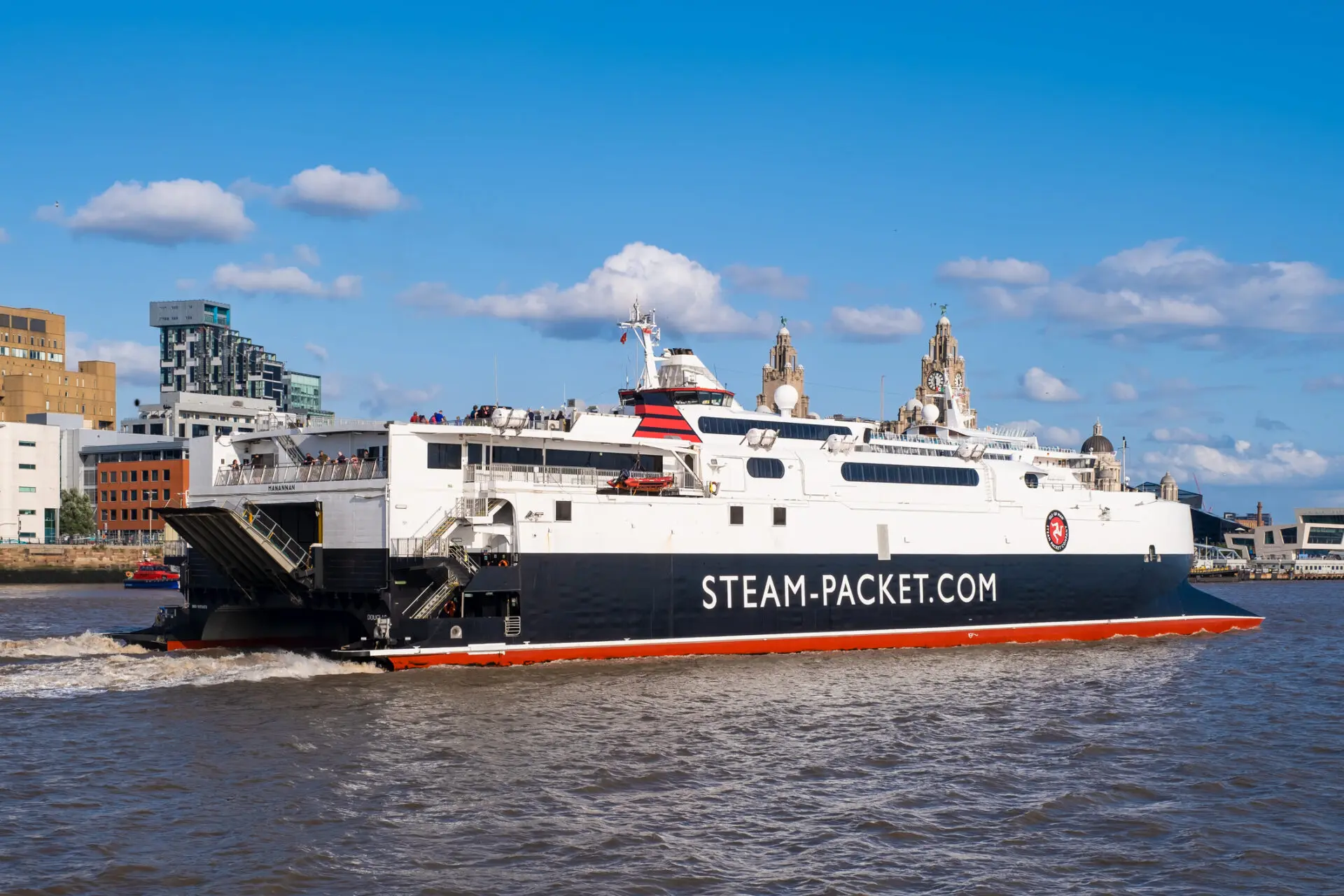
The Manannan is the high-speed catamaran used for fast crossings from Liverpool. It is the quickest way across the Irish Sea and is designed for efficiency, with comfortable seating, large windows, and a smooth boarding process.
The Manxman is the newest vessel in the fleet and serves as the flagship. It offers a more modern onboard experience, with upgraded lounges, improved accessibility, and better overall comfort. This is often the preferred option for travellers who want a more spacious and relaxed journey.
The Ben-my-Chree is the long-serving conventional ferry, known for its reliability. While older, it provides a stable crossing and is particularly useful during rougher sea conditions.
On board, you will find a range of facilities designed to make the journey comfortable. These typically include indoor seating areas, cafés serving hot meals and snacks, WiFi access, and duty-free shopping. There is plenty of space to move around, which makes a noticeable difference compared to air travel.
The ferry is also ideal for those travelling with vehicles. Cars, motorcycles, and bicycles can all be transported, allowing you to explore the Isle of Man at your own pace once you arrive.
| Route | Vessel | Crossing Time | Frequency | Best For | Vehicle Transport |
|---|
| Liverpool → Douglas | Fast Craft (Manannan) | ~2h 45m | Regular (more in summer) | Short trips, speed, weekend travel | Yes |
| Liverpool → Douglas | Conventional Ferry (Manxman / Ben-my-Chree) | ~4h–4h 15m | Year-round | Comfort, space, rough weather | Yes |
Liverpool Ferry Terminal: Location & Boarding
Ferries to the Isle of Man depart from the Liverpool Ferry Terminal at Pier Head, located on the city’s famous waterfront. This central location makes it easy to reach, whether you are arriving by train, taxi, or on foot.
The nearest mainline station is Liverpool Lime Street, which is around a 10 to 15 minute taxi ride from the terminal. Walking is possible but less practical with luggage. Local buses and taxis are readily available, making the final part of the journey simple.
Check-in is straightforward but important. Passengers are usually required to arrive at least 45 minutes before departure for foot passengers, and earlier if travelling with a vehicle. During busy periods, especially around major events, arriving well in advance is strongly recommended.
Once inside the terminal, you will go through a standard check-in process before entering the waiting area. Boarding is typically well organised, with announcements guiding passengers onto the vessel.
Compared to airports, the process is noticeably more relaxed, but timings are still important. Arriving prepared ensures a smooth start to your journey without unnecessary stress or delays.
Ferry Timetable, Duration & Prices
Ferry services between Liverpool and the Isle of Man run year-round, with frequency and sailing times changing depending on the season. During the summer months and major events, schedules are expanded to meet higher demand, while winter services are slightly reduced but still reliable.
Journey times depend on the type of vessel. The fast craft crossings take around 2 hours 45 minutes, making them the quickest option. Conventional ferries typically take around 4 hours to 4 hours 15 minutes, offering a slower but often more stable journey, especially in rougher sea conditions.
Prices vary significantly based on season, demand, and how far in advance you book. As a general guide, foot passenger tickets can range from around £30 to £80+ each way, while vehicle crossings are considerably more expensive depending on size and availability. Prices increase sharply during peak periods, particularly around the Isle of Man TT Races in May and June, when sailings often sell out well in advance.
Advance booking is strongly recommended. Not only does it secure your preferred sailing time, but it can also help you avoid the highest fares. Leaving it late, especially in summer, can mean limited availability or significantly higher prices.
Rail & Sail: The Easiest Way to Book
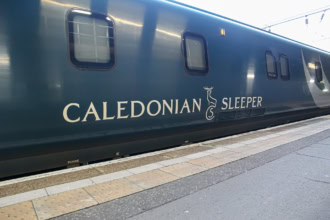
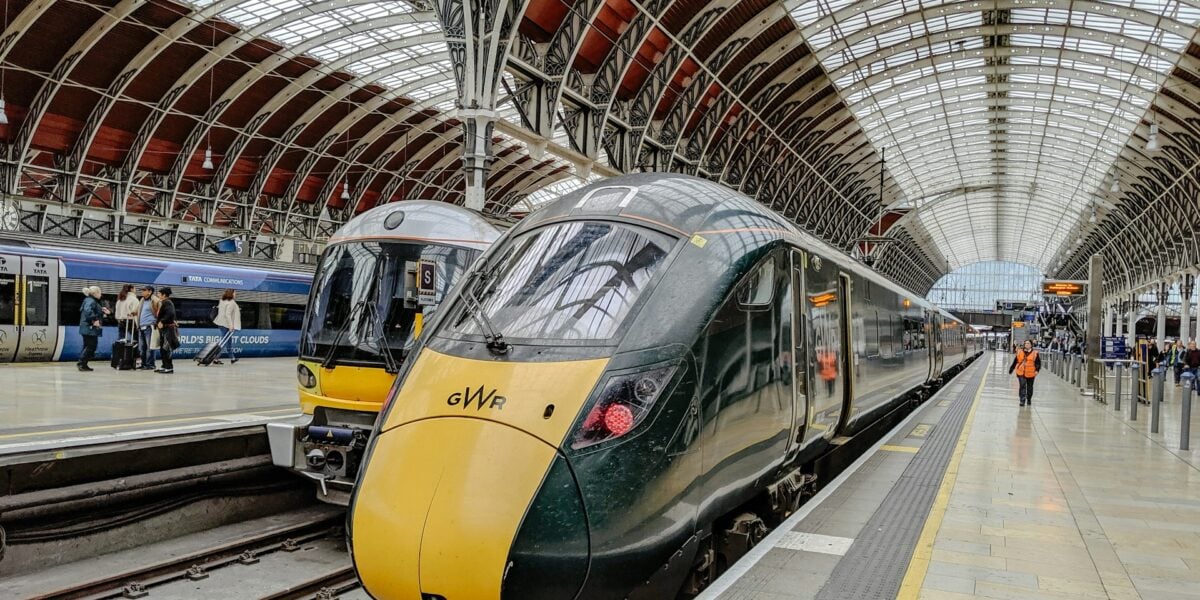
One of the most convenient ways to travel from Liverpool to the Isle of Man, or from anywhere in the UK, is by using a Rail & Sail ticket. This combines your train journey and ferry crossing into a single booking, removing the need to manage separate tickets.
Instead of booking a train to Liverpool and then arranging the ferry separately, Rail & Sail allows you to plan the entire journey in one step, often at a better overall price. It is particularly useful if you are travelling from cities such as London, Manchester, Birmingham, Glasgow, or Edinburgh, as it connects seamlessly with the ferry departure.
Tickets can be purchased through providers such as Rail Europe or at major UK railway stations. One important detail to be aware of is that, unlike some other routes, you must reconfirm your ferry sailing directly with the Steam Packet Company after booking. This is a simple step but essential to secure your place on board.
Railcards are typically accepted, baggage allowances are generous, and there are no hidden airline-style fees. For many travellers, this makes Rail & Sail one of the best value and least stressful ways to reach the Isle of Man.
Can You Fly Instead?
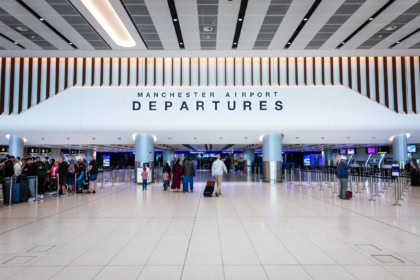
Flying is the main alternative to taking the ferry, with services available from nearby airports such as Manchester and, less frequently, Liverpool.
Flights are quicker, usually taking around 45 minutes to 1 hour, but when you factor in airport transfers, security, and waiting times, the total journey can be much longer than expected. In many cases, the overall travel time becomes comparable to the ferry.
Flying also comes with limitations. Luggage restrictions are stricter, prices can be higher, and you cannot bring your own vehicle. For travellers planning to explore the island in detail, this can be a significant drawback.
In contrast, the ferry offers a more flexible and relaxed experience, particularly if you value space, comfort, and the ability to travel with your car or motorcycle. For most visitors, especially those planning more than a short stay, the ferry remains the better overall option.
Best Time to Travel
The timing of your trip can have a major impact on both availability and price.
The busiest period by far is during the Isle of Man TT Races, which take place between late May and early June. Demand during this time is extremely high, with sailings often selling out months in advance. If you plan to travel during the TT, booking as early as possible is essential.
Summer is also a popular time to visit, with more frequent sailings and generally calmer weather. However, this is when prices are highest and availability becomes more limited.
Outside of peak season, travel is much easier. Spring and early autumn offer a good balance of reasonable prices, comfortable weather, and fewer crowds, making them ideal times to visit.
Weather can affect ferry crossings, particularly in winter, when rough seas may lead to delays or schedule changes. While disruptions are not common, it is worth allowing some flexibility in your plans if travelling during colder months.
Tips for the Liverpool to Isle of Man Journey
A little preparation can make your journey much smoother.
Arriving early is one of the most important steps, especially during busy periods. This gives you time to check in, find your way around the terminal, and board without stress.
If you are prone to motion sickness, consider bringing medication or choosing a conventional ferry, which tends to offer a more stable crossing than the fast craft in rough conditions.
Pack essentials in a small bag that you can keep with you during the journey, as access to vehicles may be restricted once on board. Comfortable clothing and something to do, such as a book or downloaded content, can make the journey more enjoyable.
Finally, booking in advance is key. It not only guarantees your place but also helps you secure better prices and preferred sailing times, particularly during peak travel periods.
Is the Liverpool to Isle of Man Ferry Worth It?
For most travellers, the ferry is not just the easiest way to reach the Isle of Man, it is also the most practical and enjoyable. Unlike flying, it gives you space to move around, flexibility with luggage, and the option to bring your own vehicle, which is a major advantage once you arrive on the island.
The journey itself is part of the experience. Crossing the Irish Sea offers a relaxed start to your trip, with time to sit back, grab food, and take in the views. For those travelling for events such as the TT Races or planning to explore beyond Douglas, having your own car or motorcycle makes a significant difference.
While flights may appear faster on paper, the overall experience often favours the ferry. When you factor in airport time, transfers, and restrictions, the ferry becomes a more straightforward and flexible option, especially for longer stays.
In simple terms, if you value ease, comfort, and flexibility, the ferry from Liverpool to the Isle of Man is absolutely worth it.

Rupert’s Handy Travel Tips
Heading from Liverpool to the Isle of Man? Here are a few handy tips to make your ferry journey smoother:
- Book early for the best prices: Fares rise quickly, especially around the TT Races and summer months, and sailings can sell out.
- Arrive with time to spare: Aim to be at the terminal at least 45 minutes early as a foot passenger, and earlier if travelling with a vehicle.
- Pack a small onboard bag: You may not be able to return to your car during the crossing, so keep essentials with you.
- Prepare for sea conditions: If you’re prone to motion sickness, consider tablets and choose a conventional ferry for a steadier ride.
- Bring your own entertainment: WiFi is available but can be patchy, so download anything you want before boarding.
Want to meet the reindeer behind our travel tips? Find out more in our page Who is Rupert?.
Frequently Asked Questions
How long is the ferry from Liverpool to the Isle of Man?
The journey takes around 2 hours 45 minutes on the fast ferry and approximately 4 hours to 4 hours 15 minutes on a conventional sailing, depending on the vessel and conditions.
Can you take a car on the ferry?
Yes. The ferry allows you to bring cars, motorcycles, and bicycles, making it one of the best options if you want to explore the island independently.
Is the crossing rough?
Conditions vary depending on the weather. The Irish Sea can be choppy at times, particularly in winter. Conventional ferries tend to offer a more stable ride, while fast craft can feel more affected by waves.
How early should you arrive?
Foot passengers should aim to arrive at least 45 minutes before departure, while those travelling with vehicles should allow additional time, especially during busy periods.
What is the cheapest way to travel?
Booking early and travelling outside peak season will usually give you the lowest fares. Rail & Sail tickets can also offer good value if you are travelling from elsewhere in the UK.
Further Reading & Related Guides
If you are planning your trip, make sure to read our Isle of Man Travel Guide, which covers where to stay, how to get around, and the best things to see once you arrive.
To compare ferry routes, operators, and prices before booking, our Ferry Apps Guide shows how to use platforms like Direct Ferries to find the best option quickly.
If you are travelling from across the UK, our Rail & Sail Guide explains how combined train and ferry tickets work and how to book them for the best value.
For booking trains to Liverpool, our Train Booking Apps guide helps you find the best fares and manage your journey more easily.
Before you travel, it is also worth checking our Travel Insurance Apps guide, which explains how to protect your trip and handle delays or cancellations.
Last Updated
April 2026
Affiliate Disclosure
This page contains affiliate links. If you click through and make a purchase or booking, we may earn a small commission at no extra cost to you. This helps support our work and allows us to continue providing detailed, independent travel advice. We only recommend apps and services we personally use or have verified as high-quality.