
Why Lacock Abbey is a Key Harry Potter Filming Location
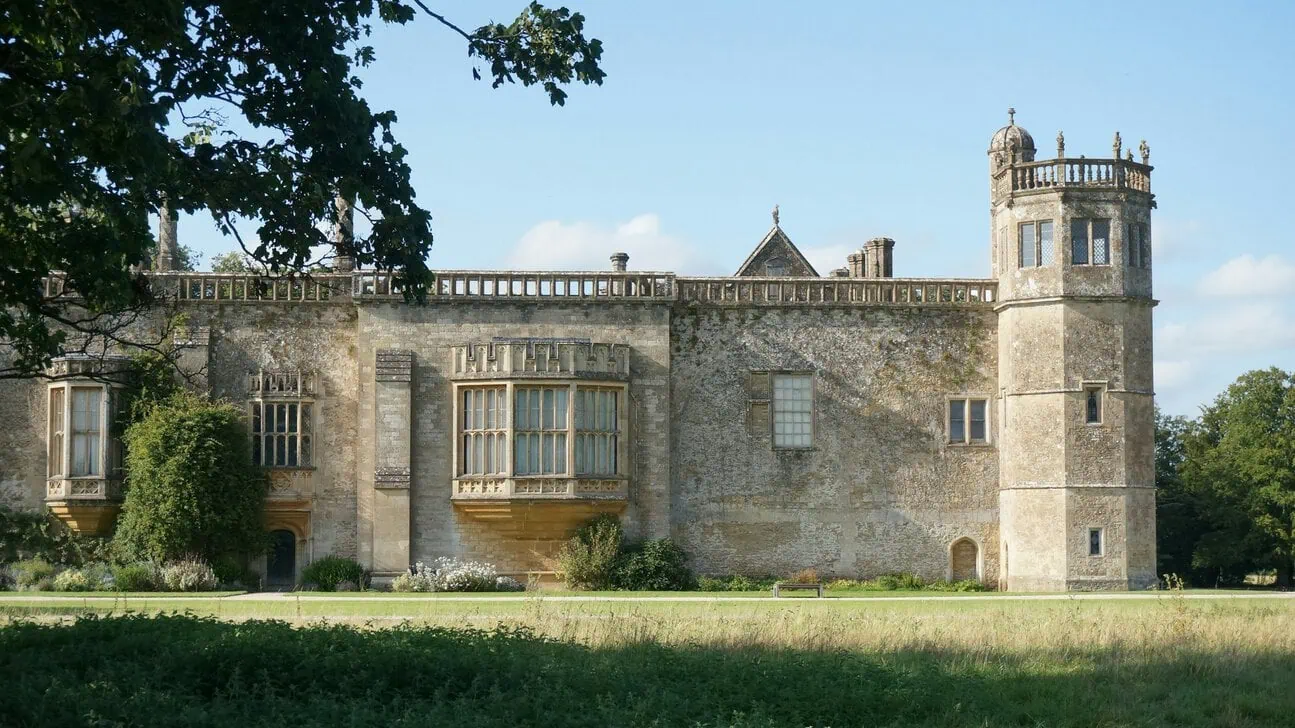
Lacock Abbey is one of the most important Harry Potter filming locations in England, used across multiple films to represent parts of Hogwarts School of Witchcraft and Wizardry. Unlike many locations that were used briefly or for exterior shots, Lacock appears in several key scenes, making it a core destination for fans.
What sets Lacock Abbey apart is its authenticity. This is not a recreated set or a modern attraction. It is a real medieval abbey, with stone corridors, cloisters, and rooms that required very little alteration for filming. The natural architecture provided the perfect backdrop for Hogwarts interiors, allowing filmmakers to create a believable and immersive setting.
The wider Lacock village also plays an important role. Its preserved streets and historic buildings have been used in multiple productions, and they add depth to the experience beyond the abbey itself. For visitors exploring Harry Potter locations in the UK, Lacock offers a combination of film history, architecture, and atmosphere that is difficult to match elsewhere.
Where is Lacock Abbey and How to Visit
Lacock Abbey is located in Wiltshire, England, near the town of Chippenham and within easy reach of Bath. Its position makes it one of the most accessible Harry Potter filming locations outside London, and it is frequently included in day trips from the capital.
The village of Lacock is well preserved and largely unchanged, which is why it has been used for filming over many years. The abbey itself is managed by the National Trust, meaning it is open to visitors with structured access to the main buildings and grounds.
For most travellers, visiting Lacock Abbey is straightforward. The location sits within a popular tourist region, with good road access and clear directions. Many visitors combine it with nearby destinations such as Bath or other parts of the Wiltshire countryside, creating a broader day trip rather than visiting in isolation.
Understanding the location early helps position Lacock within your wider trip. Unlike remote sites such as Freshwater West Beach, this is a well-connected and easy-to-reach destination, making it a practical addition to a Harry Potter UK itinerary.
Harry Potter Filming Locations at Lacock Abbey and Village
Lacock Abbey was used to film several key scenes that appear throughout the Harry Potter series, particularly in the earlier films. The abbey’s interior spaces were transformed into parts of Hogwarts, including classrooms and corridors that are instantly recognisable to fans.
One of the most notable uses of the abbey is as Professor Snape’s Potions classroom, which appears in Harry Potter and the Philosopher’s Stone. The same area was also used for scenes involving Professor Quirrell, adding to its importance within the films. The cloisters and corridors of the abbey were used repeatedly to represent different parts of Hogwarts, making it one of the most versatile filming locations in the series.
Beyond the abbey, Lacock village itself has been used for additional filming. The narrow streets, historic buildings, and lack of modern development create an environment that fits seamlessly into the wizarding world. Walking through the village gives visitors a sense of how real locations were used to build the atmosphere of the films.
This combination of interior filming at the abbey and exterior scenes in the village makes Lacock one of the most complete Harry Potter locations in England. It offers more variety than many other sites and allows visitors to experience both the architecture and the surrounding environment.
Inside Lacock Abbey: What You’ll See
When you visit Lacock Abbey, you are entering a historic building with multiple layers of history, not just a filming location. The structure dates back to the 13th century, and its rooms and corridors reflect centuries of use and adaptation.
Inside the abbey, visitors can explore the cloisters, which were used extensively for filming, as well as a series of rooms that now form part of the museum and exhibition spaces. These areas provide context about both the history of the abbey and its role in film production.
The experience is very different from visiting a purpose-built attraction. There are no large-scale recreations or special effects, and the focus is on the real environment. This makes it particularly appealing for visitors who are interested in history, architecture, and authentic filming locations, rather than purely interactive experiences.
The surrounding grounds and gardens also form part of the visit, offering a quieter space to explore after moving through the interior rooms. Combined with the nearby village, this creates a well-rounded visit that goes beyond simply seeing where scenes were filmed.
Tickets, Entry and National Trust Information
Lacock Abbey is managed by the National Trust, which means entry follows a structured system rather than being a free-access location. Visitors typically purchase a single ticket that includes both the abbey and the surrounding grounds, allowing you to explore the interior filming locations as well as the wider historic site.
Entry prices vary depending on the season and visitor type, but National Trust members can enter for free, which makes it a particularly good option if you are visiting multiple heritage sites during your trip. It is worth checking opening times in advance, as these can change throughout the year, especially during quieter winter months.
Because Lacock village itself is largely open and accessible, you can still explore parts of the filming area without entering the abbey. However, the most recognisable Harry Potter filming locations, including the cloisters and classroom interiors, are located within the ticketed section.
Arriving earlier in the day can help you avoid busier periods, particularly during weekends and school holidays. While Lacock does not attract the same crowds as major London attractions, it is still a popular destination, especially in peak travel seasons.
Getting to Lacock from London and Bath
One of the main advantages of Lacock Abbey is how easy it is to reach compared to other Harry Potter filming locations in the UK. Its location in Wiltshire makes it well connected to both London and Bath, allowing it to fit neatly into a wide range of itineraries.
Travelling from London to Lacock by car usually takes around 2 to 2.5 hours, depending on traffic. The route is straightforward and follows major roads for most of the journey before transitioning to quieter countryside roads as you approach the village. This makes driving the most flexible option, particularly if you plan to combine Lacock with other nearby destinations.
By train, the closest station is Chippenham, which is served by direct services from London Paddington. The journey typically takes around 1 hour and 15 minutes, after which you will need a short taxi journey of around 15 minutes to reach Lacock. This option works well for visitors who prefer not to drive.
From Bath, Lacock is even closer, with a driving time of approximately 30 minutes. This makes it a very popular addition to a Bath day trip itinerary, allowing you to combine historic city exploration with a visit to a major filming location.
Best Time to Visit Lacock Abbey and Village
Choosing the right time to visit Lacock Abbey and Lacock village can have a big impact on your experience. The location is open throughout much of the year, but seasonal changes affect both visitor numbers and the overall atmosphere.
During the spring and summer months, the village and surrounding countryside are at their most vibrant, with greenery and better weather conditions enhancing the visual appeal of the area. These months are also the busiest, particularly during school holidays, so arriving early in the day can help you avoid crowds.
In autumn, the changing colours of the trees add a different character to the abbey grounds, making it a particularly attractive time for photography. Visitor numbers tend to be slightly lower than in summer, creating a more relaxed experience.
Winter visits offer the quietest conditions, with fewer visitors and a more peaceful atmosphere. However, shorter daylight hours and potential weather disruptions mean you need to plan more carefully. Opening times may also be reduced during this period, so it is important to check in advance.
Lacock Abbey as a Day Trip or Part of a Wider Trip
Lacock Abbey works exceptionally well as a day trip from London or Bath, making it one of the most practical Harry Potter filming locations to include in your itinerary. Its manageable size means you can explore both the abbey and the village in a few hours, leaving time to combine it with other nearby attractions.
From London, Lacock is often included alongside destinations such as Bath or Stonehenge, creating a full day of sightseeing that combines history, architecture, and film locations. This makes it a strong addition to a Harry Potter day trips from London plan, particularly for visitors who want to go beyond the capital.
For those already staying in Bath or the surrounding Wiltshire area, Lacock can be visited as a shorter trip, giving you more time to explore the village in detail. Walking through the streets, visiting the abbey, and spending time in the surrounding countryside creates a more relaxed experience than trying to fit everything into a tight schedule.
Positioning Lacock within a wider trip allows you to balance major attractions with quieter, more atmospheric locations, creating a more varied and rewarding travel experience.
Exploring Lacock Village
Lacock village is just as important to the experience as Lacock Abbey, and for many visitors it becomes one of the highlights of the trip. Unlike most UK villages, Lacock has been carefully preserved and largely unchanged, which is why it has been used as a filming location for both Harry Potter and numerous other productions.
Walking through Lacock village, you will notice the absence of modern features. There are no large shop fronts, minimal signage, and very little visible modern infrastructure, which creates an atmosphere that feels closer to a historical setting than a typical tourist destination. This makes it easy to see why it was chosen to represent parts of the wizarding world.
Several streets and buildings within the village have been used in filming, and even where specific scenes were not shot, the overall environment strongly reflects the aesthetic used in the films. Exploring the village allows you to experience the wider visual identity of Harry Potter, rather than focusing only on individual filming spots.
Beyond its connection to film, Lacock village is a destination in its own right. It is home to traditional cottages, small independent shops, and historic streets that are enjoyable to explore at a slower pace. Taking time to walk through the village, rather than heading straight to the abbey, adds depth to your visit and gives a more complete understanding of the location.
For visitors building a Harry Potter UK itinerary, Lacock village provides a balance between filming location, heritage site, and authentic English countryside experience, making it one of the most well-rounded stops in the cluster.
Nearby Attractions and Wiltshire Highlights
Visiting Lacock Abbey also gives you access to some of the most interesting historic and scenic locations in Wiltshire. The area is known for its combination of heritage sites, countryside landscapes, and traditional English villages, making it ideal for extending your visit beyond a single stop.
One of the most popular nearby destinations is Bath, located around 30 minutes from Lacock. The city is famous for its Roman Baths, Georgian architecture, and historic streets, and it pairs naturally with a visit to Lacock. Many travellers choose to combine both locations in a single day, creating a balanced mix of urban sightseeing and rural exploration.
Another major attraction in the region is Stonehenge, one of the most recognisable landmarks in the UK. Located within driving distance, it is often included as part of a wider itinerary that links Lacock Abbey, Bath, and Stonehenge into a single route. This combination works particularly well for visitors who want to maximise their time in the region.
Beyond these well-known sites, the surrounding countryside offers a range of smaller villages, walking routes, and scenic drives. Exploring these areas adds depth to your trip and helps you experience the broader character of Wiltshire, rather than focusing solely on one location.
Is Lacock Abbey Worth Visiting?
For most travellers, Lacock Abbey is absolutely worth visiting, particularly if you are interested in Harry Potter filming locations, historic architecture, or traditional English villages. It offers a level of authenticity that is difficult to find at more commercialised attractions.
For Harry Potter fans, the appeal comes from seeing real locations used in the films, especially the interiors that represented parts of Hogwarts. The ability to walk through these spaces and recognise scenes from the films adds a strong connection to the story.
For general visitors, the value goes beyond the film connection. Lacock Abbey is a well-preserved historic site, and the surrounding village creates a complete experience that combines history, architecture, and atmosphere. This makes it a strong destination even for those with only a casual interest in Harry Potter.
It works particularly well when included as part of a wider trip. Combining Lacock Abbey with Bath, Stonehenge, or other Wiltshire locations creates a more varied itinerary and makes the journey more worthwhile.

Rupert’s Handy Travel Tips
Rupert has a soft spot for places like Lacock Abbey where history and film come together. If you’re planning a visit, here’s what he recommends to make the most of it:
- Arrive early to explore Lacock village before it gets busy, especially in peak seasons.
- Allow time for both the abbey interiors and the surrounding grounds, as the full experience goes beyond the filming locations.
- Check National Trust opening times before travelling, as these can vary throughout the year.
- Combine your visit with Bath or nearby Wiltshire attractions to turn it into a full day trip.
Want to meet the reindeer behind our travel tips? Find out more in our page Who is Rupert?.
Frequently Asked Questions
What Harry Potter scenes were filmed at Lacock Abbey?
Several scenes were filmed at Lacock Abbey, including Professor Snape’s Potions classroom, scenes involving Professor Quirrell, and multiple Hogwarts corridor shots.
Can you visit Lacock Abbey?
Yes, Lacock Abbey is open to visitors and managed by the National Trust. Entry typically requires a ticket, although National Trust members can enter for free.
Is Lacock Abbey used as Hogwarts?
Lacock Abbey was used to represent parts of Hogwarts, particularly interior scenes such as classrooms and cloisters, but it is not the sole filming location for the castle.
How far is Lacock from London?
Lacock is around 2 to 2.5 hours from London by car, or approximately 1 hour and 15 minutes by train to Chippenham, followed by a short taxi journey.
Further Reading and Related Guides
If you are building a wider Harry Potter UK itinerary, it is worth combining your visit to Lacock Abbey with other filming locations across the country. Many travellers begin with the Harry Potter Studio Tour London guide, which provides a detailed look at the sets and production process, before adding central London experiences through the Harry Potter Walking Tour London guide.
To expand your trip further, the Harry Potter locations in Oxford guide offers another perspective on historic buildings that inspired Hogwarts, while the Harry Potter day trips from London guide helps you connect destinations such as Lacock, Oxford, and Alnwick Castle into a structured plan. Linking these locations together allows you to create a complete and varied Harry Potter travel experience across England and beyond.
Last Updated
April 2026
Affiliate Disclosure
This page contains affiliate links. If you click through and make a purchase or booking, we may earn a small commission at no extra cost to you. This helps support our work and allows us to continue providing detailed, independent travel advice. We only recommend apps and services we personally use or have verified as high-quality.