
Why Visit Devon & Cornwall
Few regions in the UK offer the same combination of dramatic coastline, historic landmarks, and relaxed coastal Few places in the UK offer the same combination of dramatic coastline, historic landmarks, and relaxed coastal towns as Devon and Cornwall. Located in the far south-west of England, this region is known for its rugged cliffs, sandy beaches, and scenic countryside, making it one of the most popular destinations for both UK travellers and international visitors.
What makes this part of the country so appealing is the variety within a relatively small area. In Cornwall, you will find iconic locations such as Tintagel Castle, St Ives, and Land’s End, all shaped by the Atlantic coastline and steeped in history. Devon, by contrast, offers a broader mix of landscapes, combining seaside towns like Torquay with inland areas such as Dartmoor National Park, where open moorland and walking trails create a completely different experience.
This is a region that rewards slower travel. Whether you are planning a coastal road trip, a scenic rail journey, or a long weekend escape, Devon and Cornwall are best explored at a relaxed pace, allowing time to move between towns, discover hidden beaches, and enjoy local food and culture.
Throughout 2026, the region continues to attract visitors looking for a balance between natural beauty and accessible travel, with strong transport links, a wide range of accommodation, and an ever-growing number of experiences that make it easy to plan a memorable trip.
Quick Facts About Devon & Cornwall
Devon and Cornwall sit at the south-western tip of England, bordered by the Atlantic Ocean to the north and the English Channel to the south. This unique position gives the region one of the most diverse coastlines in the UK, with everything from wide sandy beaches to steep cliffs and hidden coves.
The distance from London to Devon and Cornwall varies depending on your destination, but most major towns can be reached within 2.5 to 5 hours by train. Direct rail services connect London Paddington with Exeter, Plymouth, and Penzance, making it possible to travel without needing a car.
The region is made up of two distinct counties. Cornwall is known for its strong cultural identity, coastal scenery, and historic landmarks, while Devon offers a mix of coastal resorts, countryside, and national parks. Together, they form one of the most varied travel destinations in England.
Tourism plays a major role throughout the year, with peak season typically falling between late spring and early autumn. However, outside these months, the region offers a quieter experience, with fewer crowds and a more relaxed pace that appeals to visitors looking to explore beyond the busiest periods.
Getting There & Around Devon & Cornwall
Getting to Devon and Cornwall is part of the experience, and there are several well-established routes depending on your starting point and travel preferences. For many visitors, the journey begins in London, with rail travel offering one of the most scenic and convenient options.
Direct trains run from London Paddington to Exeter, Plymouth, and Penzance, connecting the capital with the heart of the south-west. One of the most unique ways to travel is via the Night Riviera Sleeper Train, which allows you to leave London in the evening and wake up in Cornwall the next morning. This option combines transport and accommodation in a single journey, making it both practical and memorable for longer trips.
Driving is another popular choice, particularly for those planning to explore multiple locations. The M5 motorway provides the main route into Devon, with the A30 and A38 continuing into Cornwall. A car offers maximum flexibility, allowing you to reach smaller villages, coastal paths, and hidden beaches that are not always easily accessible by public transport. However, traffic can be heavy during peak holiday periods, especially in summer.
Once you arrive, getting around the region depends on how much you plan to explore. Rail services connect major towns, while local buses fill in the gaps between smaller communities. In Cornwall, the Ride Cornwall rail & bus passes provide a convenient way to travel between destinations without needing a car, making it easier to explore the coastline and key towns at your own pace.
For many visitors, the best approach is a combination of transport methods. Using train travel for long distances and local transport or car hire for shorter journeys gives you the flexibility to explore both well-known attractions and lesser-visited areas.
Devon vs Cornwall: What’s the Difference?
Although often mentioned together, Devon and Cornwall offer distinctly different experiences, and understanding these differences can help you plan a more effective trip.
Cornwall is known for its dramatic coastline and strong sense of identity. Facing the Atlantic Ocean, it features more rugged scenery, powerful waves, and a slightly more remote feel. This is where you will find some of the region’s most famous landmarks, including Tintagel Castle and St Michael’s Mount, along with creative coastal towns such as St Ives, which has a long-standing reputation for art and culture.
Devon, on the other hand, provides a wider mix of landscapes and experiences. While it still offers an impressive coastline, particularly along the English Riviera and North Devon coast, it also includes large inland areas such as Dartmoor and Exmoor National Parks. This makes it a strong choice for visitors looking to combine coastal scenery with countryside exploration.
There is also a difference in pace. Cornwall often feels more self-contained, which adds to its charm but can require more planning when moving between locations. Devon is generally easier to navigate, with more direct transport links and a broader spread of towns and cities.
For many travellers, the best approach is to experience both. Combining Devon’s accessibility and variety with Cornwall’s iconic landscapes and coastal character creates a more complete and rewarding trip across the south-west of England.
Major Towns & Coastal Highlights in Cornwall
Cornwall is defined by its coastline, and many of its most memorable destinations are built around harbours, beaches, and dramatic Atlantic views. Travelling through this part of the south-west feels very different from the rest of England, with a stronger sense of place and a landscape shaped by the sea.
One of the standout locations is St Ives, often considered one of the most beautiful seaside towns in the UK. Its sandy beaches, clear waters, and artistic heritage give it a distinctive atmosphere, with galleries, independent shops, and waterfront cafés all centred around a compact harbour. It is a popular base for visitors who want a balance between culture and coastal scenery.
Further along the coast, Newquay offers a more energetic contrast. Known for its surf culture and wide beaches, it attracts a younger crowd and those looking for outdoor activities. Despite its reputation as a lively destination, it also provides easy access to quieter coves and coastal walks nearby.
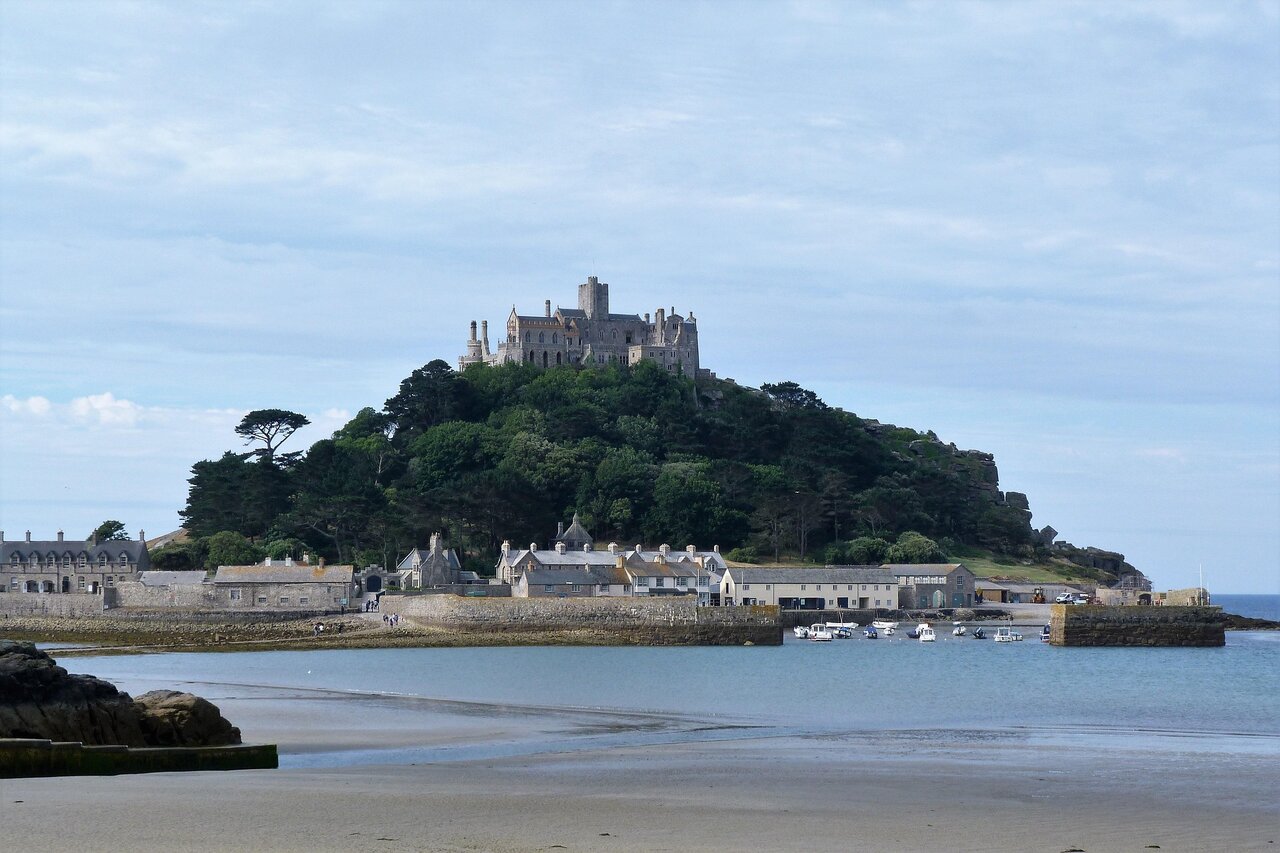
To the south, Penzance acts as a gateway to the far west of Cornwall and is an important transport hub, particularly for those planning to travel onwards to the Isles of Scilly. Just offshore, St Michael’s Mount rises from the sea as one of the region’s most recognisable landmarks, combining history, legend, and panoramic views into a single visit.
On the north coast, Tintagel remains one of the most visited locations in Cornwall. The dramatic setting of Tintagel Castle, perched on the cliffs above the Atlantic, draws visitors interested in both its scenery and its connection to Arthurian legend. It is one of the clearest examples of how Cornwall blends landscape and history into a single experience.
At the western edge of the county, Land’s End marks the point where the mainland meets the ocean. While it is often a brief stop for many travellers, the surrounding coastline offers some of the most striking views in the region, particularly for those willing to explore beyond the main viewpoints.
Together, these towns and landmarks create a coastline that feels varied and constantly changing, with each stop offering a slightly different perspective on what makes Cornwall so distinctive.
Major Towns & Key Destinations in Devon
Devon offers a broader and more varied landscape than Cornwall, combining coastal resorts, historic cities, and wide rural areas within a single county. This diversity makes it particularly appealing for travellers who want to experience more than just the coastline.
Along the south coast, Torquay is one of the best-known destinations, forming part of the English Riviera. With its marina, seafront promenades, and relatively mild climate, it provides a more traditional seaside setting, with easy access to beaches, restaurants, and coastal paths.
Further east, Exeter serves as the cultural and historic centre of Devon. The city is anchored by the impressive Exeter Cathedral, surrounded by a network of medieval streets, independent shops, and modern amenities. It also acts as a key transport hub, making it a natural starting point for exploring the wider region.
Moving inland, Dartmoor National Park introduces a completely different environment. The open moorland, scattered tors, and quiet valleys offer opportunities for walking, cycling, and wildlife spotting, creating a contrast to the more developed coastal areas. For many visitors, this is where Devon’s landscape feels at its most raw and expansive.
On the north coast, destinations such as Ilfracombe and Woolacombe highlight another side of Devon. These areas are known for their wide beaches and strong surf conditions, attracting both families and outdoor enthusiasts. Woolacombe Beach, in particular, is frequently recognised as one of the best in the UK.
What sets Devon apart is this balance. It does not rely on a single type of attraction but instead combines coastal scenery, countryside, and urban centres, giving travellers more flexibility in how they structure their trip.
Must-See Attractions & Experiences
Beyond its towns and landscapes, Devon and Cornwall are home to some of the most recognisable attractions in the UK, many of which are closely tied to the region’s history and geography.
One of the most important sites is Tintagel Castle, located on the north coast of Cornwall. Perched dramatically on the cliffs, it is one of the region’s most visited landmarks and is strongly associated with the legend of King Arthur. The combination of history, mythology, and coastal scenery makes it a central highlight for many visitors.
Further south, St Michael’s Mount offers a completely different experience. This tidal island, accessible by foot at low tide, combines a historic castle with carefully maintained gardens and sweeping sea views. The changing access route alone makes it one of the most memorable places to visit in Cornwall.
The Eden Project, located near St Austell, is another major attraction. Known for its large biomes housing plants from around the world, it provides an educational and visually striking experience that appeals to both families and adults. It stands out as one of the most unique visitor attractions in the region.
For something more dramatic, the Minack Theatre offers an open-air performance space carved into the cliffs above the sea. Watching a show here combines theatre with one of the most spectacular coastal backdrops in the UK.
Across Devon, Dartmoor National Park and Exmoor National Park provide opportunities for outdoor exploration, from walking and cycling to wildlife spotting. These areas highlight the region’s natural beauty and offer a quieter alternative to the more heavily visited coastal sites.
These attractions collectively showcase what makes the region special, combining natural landscapes, historic sites, and unique experiences that are difficult to replicate elsewhere in the UK.
Isles of Scilly: Is It Worth the Trip?
For travellers looking to go beyond the mainland, the Isles of Scilly offer one of the most unique extensions to a trip through Devon and Cornwall. Located around 28 miles off the Cornish coast, the islands feel noticeably different from the rest of the region, with a more relaxed pace and a landscape shaped by the surrounding sea.
Reaching the islands requires additional planning, as access is limited to ferry or small aircraft services. Most visitors travel from Penzance, either by sea or air, making it a natural continuation of a Cornwall itinerary. The journey itself becomes part of the experience, reinforcing the sense of travelling somewhere more remote.
Once there, the atmosphere shifts. The islands are known for their clear waters, white-sand beaches, and quiet environment, offering a level of tranquillity that is difficult to find on the mainland. Activities tend to focus on walking, cycling, and exploring smaller communities, rather than structured attractions.
The key question is whether it is worth the extra time and cost. For travellers with limited time, focusing on the mainland may make more sense. However, for those planning a longer trip, adding the Isles of Scilly can provide a completely different perspective on the region, turning a standard coastal journey into something more distinctive.
For a full breakdown of how to get there, costs, and travel options, it is worth reading a dedicated guide before planning your visit, as availability and pricing can vary depending on the season.
When to Visit Devon & Cornwall
Timing your trip to Devon and Cornwall can make a significant difference to your overall experience, particularly when it comes to weather, crowds, and availability. The region is at its busiest during the late spring and summer months, when longer days and warmer temperatures make it ideal for exploring the coastline, beaches, and outdoor attractions.
Between May and September, visitors can expect the best conditions for coastal walks, beach visits, and sightseeing. July and August are the peak months, bringing the warmest weather but also the highest number of visitors. Popular destinations such as St Ives and Newquay can become particularly busy during this period, and accommodation prices tend to be at their highest.
For many travellers, the best balance comes during the shoulder seasons, particularly April to early June and September to October. During these months, the weather is often still mild, but the crowds are noticeably smaller, making it easier to explore towns, attractions, and coastal areas at a more relaxed pace.
Outside the main tourist season, the region takes on a different character. Autumn and winter bring quieter landscapes, dramatic coastal conditions, and a slower pace of life. While some attractions may operate on reduced hours, this period can be ideal for walking, photography, and experiencing the region without the usual crowds.
Ultimately, there is no single best time to visit. The right choice depends on whether you prioritise weather, atmosphere, or flexibility, but planning around peak periods can make a noticeable difference to your trip.
Where to Stay in Devon & Cornwall
Choosing where to stay in Devon and Cornwall depends largely on the type of trip you are planning, as the region offers a wide range of accommodation styles across very different settings.
For a classic coastal experience, many visitors choose to stay in towns such as St Ives, Newquay, or Torquay, where you will find easy access to beaches, restaurants, and local attractions. These areas are particularly convenient for shorter stays or first-time visits, as they provide a central base with plenty of amenities nearby.
If you are looking for something quieter, the region also offers a large number of countryside retreats, small villages, and coastal cottages. Staying slightly away from the busiest towns can provide a more relaxed atmosphere while still allowing access to key attractions within a short drive.
In Devon, areas around Exeter and Dartmoor offer a good balance between accessibility and scenery, making them a practical choice for travellers who want to explore both the coast and inland areas. In Cornwall, locations around Penzance or the north coast can provide convenient access to multiple highlights, including Tintagel and Land’s End.
Accommodation availability can vary significantly depending on the time of year, particularly during the summer months, when demand is at its highest. Booking in advance is strongly recommended if you are travelling during peak season, especially in popular coastal towns.
Sample Itinerary Ideas for Devon & Cornwall
Planning how to structure your time in Devon and Cornwall can be one of the more challenging parts of the trip, particularly given how much there is to see across the region. The key is to focus on a manageable area rather than trying to cover everything in a single visit.
For a short trip of three days, it is often best to concentrate on one county. A Cornwall-focused itinerary might include St Ives, Tintagel, and Land’s End, while a Devon-based trip could centre around Exeter, Dartmoor, and the English Riviera. This approach reduces travel time and allows for a more relaxed pace.
With five days, it becomes possible to combine elements of both Devon and Cornwall. Starting in Exeter, moving through Dartmoor, and continuing into Cornwall provides a natural route that balances inland and coastal experiences. This type of itinerary works particularly well when travelling by car, as it allows for greater flexibility.
For a week-long trip, visitors can explore both counties in more detail, including time in key towns, visits to major attractions, and the option to add more unique experiences such as a trip to the Isles of Scilly. This timeframe allows for a more complete view of the region without feeling rushed.
The most important factor is pacing. Distances can be longer than they appear on a map, particularly on smaller roads, so allowing extra time between locations helps create a more enjoyable and less stressful experience.
Food & Drink Highlights
Food plays an important role in the identity of Devon and Cornwall, with local specialities and regional traditions adding another layer to the travel experience. The region is particularly well known for its seafood, local produce, and traditional dishes, many of which are closely tied to its coastal setting.
One of the most famous local traditions is the cream tea, which varies depending on where you are. In Devon, it is traditionally served with cream first, then jam, while in Cornwall, the order is reversed. While the difference may seem small, it is a long-standing debate that reflects the distinct identities of the two counties.
Seafood is another highlight, particularly in coastal towns where fresh catches are a regular part of the menu. From fish and chips by the harbour to more refined dining experiences, the quality of local ingredients is a consistent feature across the region.
In addition to traditional dishes, there is a growing focus on independent cafés, bakeries, and restaurants, particularly in towns such as St Ives and Exeter, where food has become part of the wider visitor experience.
Whether you are looking for a quick meal between stops or a more relaxed dining experience, the food and drink offering across Devon and Cornwall adds depth to any trip, making it about more than just the scenery.
Apps to Use for Your Devon & Cornwall Trip
Using the right apps can make travelling around Devon and Cornwall significantly easier, particularly when navigating rural areas, checking transport times, or booking tickets in advance.
For rail travel, apps like Trainline allow you to compare routes, check live departures, and book tickets across the National Rail network. This is especially useful when planning journeys from London to Exeter, Plymouth, or Penzance, or when using regional rail services within Cornwall.
For local transport and navigation, tools such as Google Maps and Citymapper help you plan routes between towns, check bus connections, and find the quickest way to reach coastal areas or inland destinations. Coverage can vary in more remote areas, so it is often worth downloading maps in advance if you are planning to explore beyond the main towns.
Staying connected is also important, particularly for visitors travelling from abroad. Using an eSIM app allows you to access mobile data as soon as you arrive, avoiding the need to purchase a local SIM card and making it easier to access directions, tickets, and travel updates on the go.
Combining these tools helps turn a complex journey into something much more manageable, allowing you to focus on exploring the region rather than dealing with logistics.

Rupert’s Handy Travel Tips
Planning a trip to Devon and Cornwall? Rupert has a few practical tips to help you make the most of your time in the south-west:
- Book early in peak season: Coastal towns fill quickly in summer, especially in Cornwall, so securing accommodation in advance is essential.
- Allow extra travel time: Distances can look short on a map, but smaller roads and coastal routes often take longer than expected.
- Mix transport options: Combining train travel with local buses or short car hire gives you the best flexibility.
- Plan around key attractions: Places like Tintagel Castle and St Michael’s Mount are best visited early in the day to avoid crowds.
- Check the weather daily: Conditions can change quickly along the coast, so staying flexible helps you make the most of clear days.
Want to meet the reindeer behind our travel tips? Find out more in our page Who is Rupert?.
Frequently Asked Questions
Is Devon or Cornwall better to visit?
Both offer excellent experiences, but they are different. Cornwall is known for its dramatic coastline and iconic landmarks, while Devon provides a broader mix of coast, countryside, and cities. Many travellers choose to visit both for a more complete trip.
How many days do you need in Devon and Cornwall?
A minimum of 3 to 5 days is recommended to see key highlights, while 7 days or more allows you to explore both counties at a more relaxed pace and include additional experiences.
What is the best way to get around Devon and Cornwall?
The best option depends on your itinerary. Train travel works well for major towns, while a car provides more flexibility for reaching smaller villages, coastal paths, and remote areas.
When is the best time to visit Devon and Cornwall?
The best time is typically between May and September for warmer weather, although spring and early autumn offer fewer crowds and a more relaxed experience.
Is the Isles of Scilly worth visiting?
Yes, if you have the time. The islands offer a quieter and more remote experience, but they require additional planning due to limited transport options and higher travel costs.
Further Reading & Related App Guides
Want to explore Devon and Cornwall in more detail? Start with our Ride Cornwall Bus & Rail Pass Guide to understand the best-value train options across the region, or travel overnight from London using the Night Riviera Sleeper Train Guide for a unique way to arrive in Cornwall.
If you are planning to extend your trip further, read our Isles of Scilly travel guide to understand transport options, costs, and whether the journey is worth it. For planning your routes and bookings, our Train Booking Apps Guide and Local Transport Apps Guide will help you navigate the region with ease.
Last Updated
April 2026
Affiliate Disclosure
This page contains affiliate links. If you click through and make a purchase or booking, we may earn a small commission at no extra cost to you. This helps support our work and allows us to continue providing detailed, independent travel advice. We only recommend apps and services we personally use or have verified as high-quality.