
Why Travel the East Coast Main Line
The East Coast Main Line is one of the UK’s most important and efficient rail routes, linking London with major cities such as York, Newcastle, and Edinburgh. For travellers heading north from the capital, it offers the fastest, most direct, and most comfortable way to travel.
One of the biggest advantages of this route is its speed and frequency. Trains run regularly throughout the day, with journey times of just over two hours to York and around four and a half hours to Edinburgh, making it a realistic alternative to flying. When you factor in airport transfers, security, and waiting times, rail travel on this route is often quicker door-to-door.
The line is also known for its scenic variety, particularly north of Newcastle, where the railway runs alongside the Northumberland coastline, offering views of beaches, castles, and open sea. This makes the journey itself part of the experience, rather than just a means of getting from A to B.
With multiple operators, flexible ticket options, and strong connections at both ends, the East Coast Main Line is the backbone of long-distance rail travel in eastern Britain, combining speed, comfort, and convenience in one of the country’s most popular travel corridors.
Key Routes & Journey Times
The East Coast Main Line is best understood through its core routes, all of which begin at London King’s Cross and run north through England into Scotland.
The most popular journey is from London to Edinburgh, which typically takes around 4 hours 20 minutes to 4 hours 45 minutes, depending on the service and number of stops. This route is heavily used by both tourists and business travellers, offering a direct connection between two of the UK’s most important cities.
A shorter but equally important route is London to York, with journey times of around 2 hours. York acts as a key hub on the line and is often used as a stopover destination, thanks to its historic centre and strong onward connections.
Further north, London to Newcastle takes approximately 2 hours 45 minutes to 3 hours, providing access to one of northern England’s most vibrant cities. This section of the route is particularly popular for both weekend travel and business trips.
Additional routes branch off the main line, including services to Leeds, Hull, and other regional destinations, allowing travellers to use the East Coast Main Line as a gateway to a wider network.
Because trains run frequently, travellers have flexibility when planning journeys, making it easy to choose between faster express services or slightly slower options at lower prices.
Major Stations & Key Stops
The East Coast Main Line connects a series of major cities and transport hubs, with London King’s Cross acting as the primary southern gateway. Located in central London, it offers easy access to the Underground, buses, and international connections via nearby St Pancras.
One of the most important intermediate stops is York railway station, a major interchange that connects the East Coast Main Line with regional services across northern England. Its central location also makes it a popular stop for visitors exploring the city.
Further north, Newcastle serves as another key hub, providing connections to the North East and acting as a gateway to coastal destinations and inland routes.
The northern terminus for many services is Edinburgh Waverley, one of the UK’s busiest and most scenic stations, located in the heart of the Scottish capital. From here, travellers can easily access the city’s main attractions on foot.
Along the route, there are numerous smaller but important stops, including Peterborough, Doncaster, and Durham, each offering connections to local networks and additional destinations.
Train Operators on the Route
Several train operators run services along the East Coast Main Line, giving travellers a choice between speed, comfort, and price.
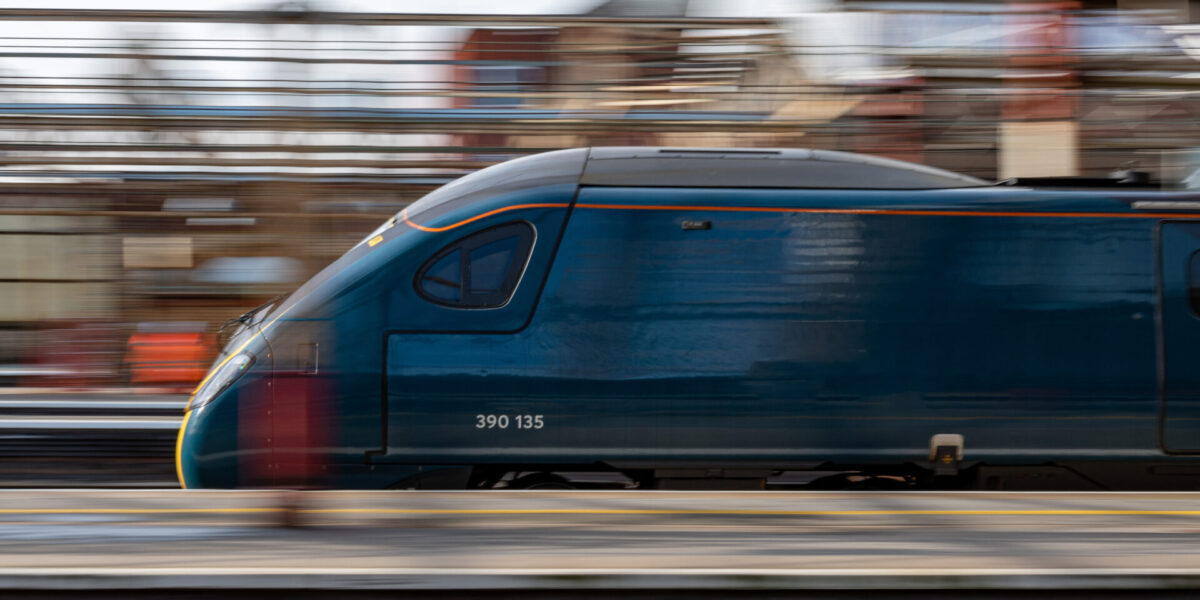
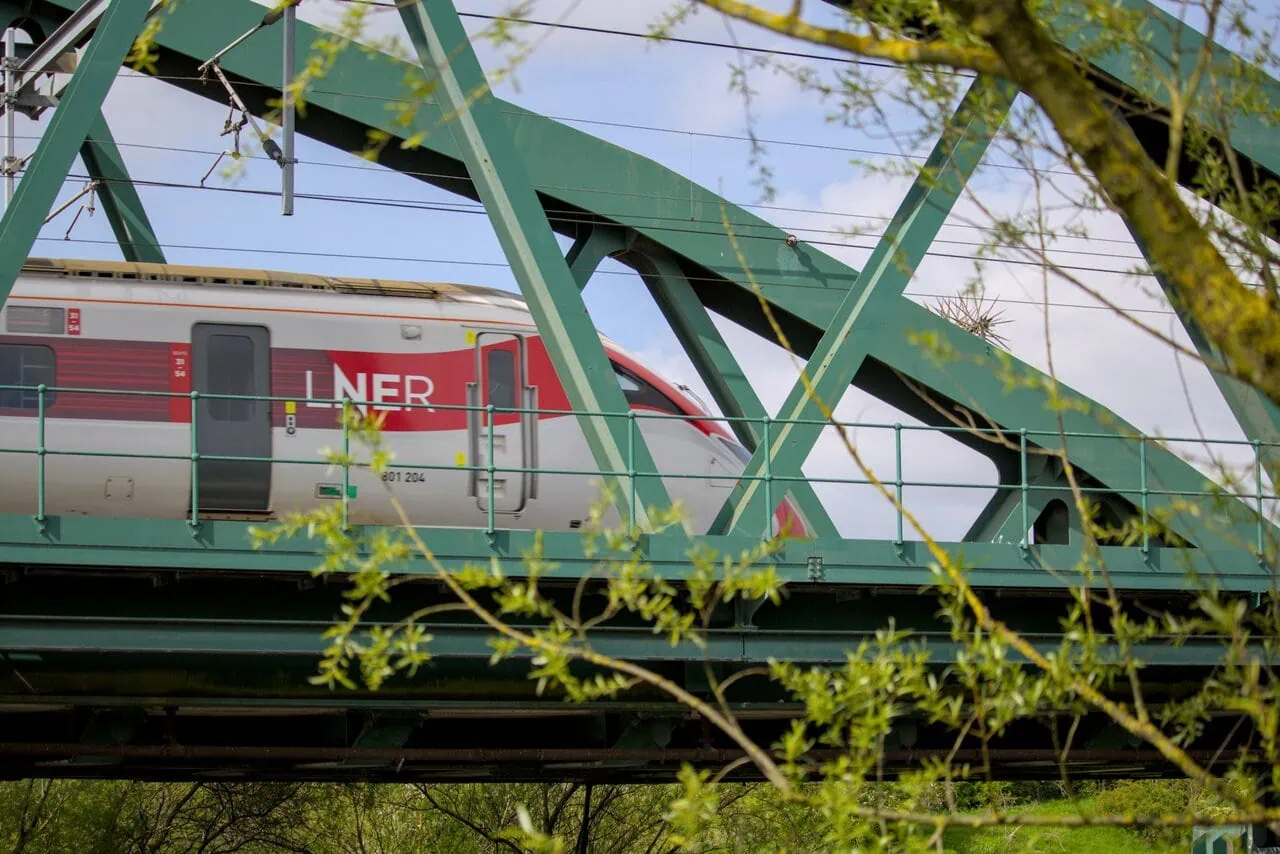
The primary operator is LNER, which runs the majority of long-distance services between London, York, Newcastle, and Edinburgh. These trains are known for their fast journey times, comfortable seating, and onboard catering, making them the most common choice for travellers.
A newer option is Lumo, which focuses on low-cost, high-efficiency travel between London and Edinburgh. Lumo services typically offer fewer stops and competitive pricing, making them a strong option for budget-conscious travellers. For a full breakdown of routes, onboard experience, and pricing, see our dedicated Lumo Trains Guide.
Another operator on the route is Hull Trains, which runs services between London and Hull via key East Coast Main Line stations. While less central to the main corridor, it provides useful regional connections.
Having multiple operators on the same route gives travellers flexibility, allowing you to choose between premium services, budget options, and different departure times, depending on your priorities.
Ticket Types & How to Book
Booking travel on the East Coast Main Line is straightforward, but understanding the different ticket types can make a significant difference to both price and flexibility.
The most common option is an Advance ticket, which is tied to a specific train and offers the lowest prices when booked early. These tickets are ideal if your plans are fixed, particularly for longer journeys such as London to Edinburgh, where prices can vary widely depending on demand.
For more flexibility, Off-Peak tickets allow travel on a range of services outside busy commuter hours. These are a good balance between cost and convenience, especially for leisure travellers who are not tied to a strict schedule.
The most flexible option is an Anytime ticket, which allows you to travel on any service that day. While these tickets are the most expensive, they are useful for last-minute travel or uncertain plans, particularly for business journeys.
Tickets can be purchased through a range of platforms, including operator websites and third-party booking tools. Using apps such as Trainline or Omio allows you to compare operators, check live departure times, and store digital tickets, making the process much easier.
For the best value, it is worth booking as early as possible, especially for long-distance routes. Prices tend to increase as travel dates approach, particularly during weekends and peak travel periods.
Seat Classes & Onboard Experience
Travelling on the East Coast Main Line offers a comfortable experience across both Standard and First Class, with differences mainly centred around space, service, and onboard extras.
In Standard Class, passengers can expect comfortable seating, power sockets, and Wi-Fi on most services. This is the most popular option and offers a good balance between cost and comfort, particularly for journeys of two to three hours.
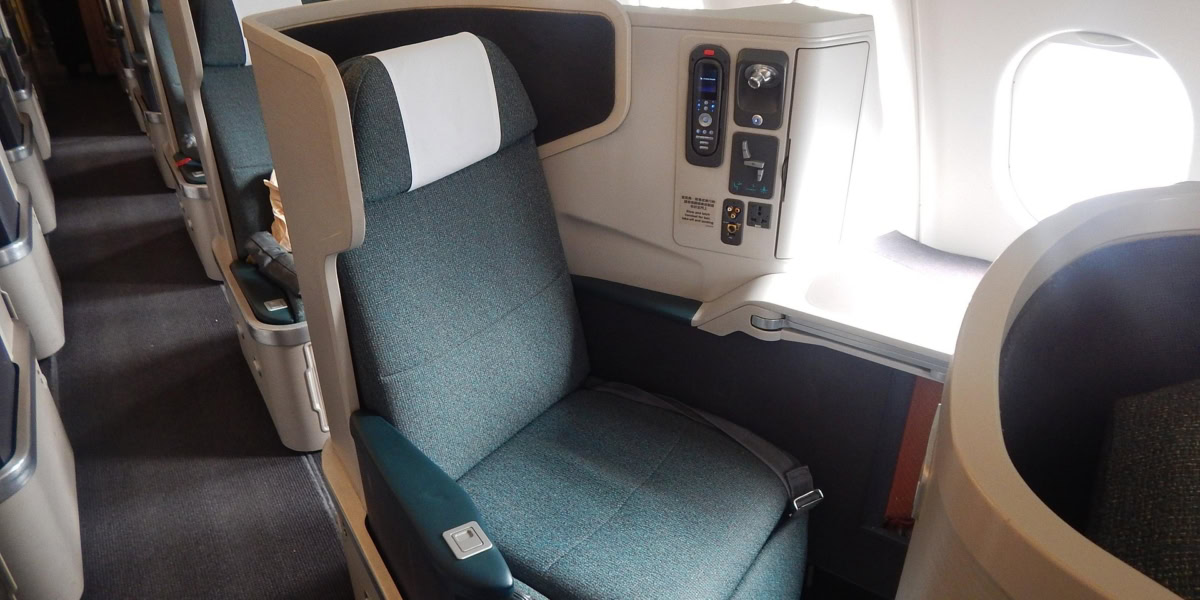
First Class provides a more premium experience, with larger seats, additional legroom, and a quieter environment. On many services, particularly with LNER, First Class tickets include complimentary food and drinks, which can add value on longer journeys.
Operators such as Lumo take a different approach, offering a single-class model focused on affordability, while still providing modern trains, Wi-Fi, and a comfortable onboard environment.
Across all operators, facilities typically include toilets, luggage storage areas, and onboard catering options, although the level of service varies depending on the provider.
Overall, the route is designed to offer a smooth, relaxed journey, whether you are travelling for business, leisure, or a longer UK trip.
Best Scenic Sections of the Route
While the East Coast Main Line is known for its speed, it is also one of the UK’s most scenic long-distance rail routes, particularly in its northern sections.
The most famous stretch runs between Newcastle and Edinburgh, where the railway follows the Northumberland coastline. Here, passengers are treated to views of wide beaches, rugged cliffs, and historic castles, making it one of the most visually impressive train journeys in the country.
Further south, the route passes through open countryside, farmland, and historic towns, offering a constantly changing landscape. While less dramatic than the coastal section, it still provides a pleasant and varied journey.
For the best views, it is worth choosing a window seat, particularly on the east side of the train when travelling north, where the coastline is most visible.
Unlike many rail journeys where the scenery is secondary, this route offers a genuine travel experience in its own right, adding an extra layer of enjoyment to longer trips.
Getting to and from Stations
One of the strengths of the East Coast Main Line is how well its stations connect to local transport networks, making onward travel simple once you arrive.
At the southern end, London King’s Cross is one of the best-connected stations in the UK. It links directly to multiple London Underground lines, bus routes, and nearby St Pancras International, providing access to both domestic and international travel.
From here, it’s easy to explore central London, with major sights just a short journey away. Our London Attractions Guide highlights the best places to visit, while the Weekend in London Guide is ideal for planning a short stay before continuing your journey.
Stations such as York and Newcastle are centrally located, meaning many attractions can be reached on foot. They also offer strong connections to regional trains, buses, and taxis, allowing travellers to continue their journey easily.
At the northern end, Edinburgh Waverley sits in the heart of the city, within walking distance of major landmarks such as the Royal Mile and Edinburgh Castle.
Because these stations are integrated into their surrounding cities, travellers can move quickly from long-distance rail to local transport, reducing overall journey time and making the route highly efficient for both short breaks and longer trips.
Apps for Booking & Rail Travel
Using the right apps can make travelling on the East Coast Main Line significantly easier, from comparing ticket prices to tracking live departures and platform changes.
Apps such as Trainline and Omio allow you to compare fares across operators, book tickets, and store them digitally, removing the need for paper tickets. These platforms are particularly useful when travelling between major cities such as London, York, Newcastle, and Edinburgh, where multiple operators run similar routes.
For real-time travel updates, operator-specific apps such as LNER App provide live departure boards, platform information, and service alerts, helping you stay informed throughout your journey.
Navigation tools such as Citymapper and Google Maps are also useful for planning connections to and from stations, combining rail travel with local buses, Underground services, and walking routes.
Using a combination of these apps ensures a smooth, well-planned journey, particularly on busy routes where timings and platforms can change.


Tips for Using the East Coast Main Line
Travelling on the East Coast Main Line is straightforward, but a few practical tips can help you save money, avoid stress, and improve your overall experience.
Booking tickets in advance is one of the most effective ways to reduce costs, especially on long-distance routes where Advance fares are significantly cheaper than same-day tickets. Travelling during off-peak times can also help avoid crowds and lower ticket prices.
If you are planning to travel frequently, it is worth checking whether a Railcard applies to you, as this can reduce fares across most ticket types.
Seat reservations are recommended on busy services, particularly for routes such as London to Edinburgh, where trains can fill up quickly. Choosing a window seat on the east side when heading north will give you the best views of the coastline.
Arriving at the station early allows time to check platform information and boarding arrangements, particularly at large stations such as London King’s Cross. Having your ticket ready, either printed or on your phone, helps ensure a smooth boarding process.
Overall, a little planning goes a long way, turning what could be a routine journey into a comfortable and efficient travel experience.

Rupert’s Handy Travel Tips
Planning a journey on the East Coast Main Line? Here are a few simple tips to help you travel smarter:
- Book early for the best prices: Advance tickets can be significantly cheaper if you plan ahead.
- Pick the right seat: Choose a window seat on the east side when heading north for the best coastal views.
- Travel off-peak where possible: You will avoid crowds and often pay less.
- Keep an eye on platforms: Large stations like King’s Cross can change platforms close to departure.
- Download a rail app: Real-time updates can save you time and reduce stress during your journey.
Want to meet the reindeer behind our travel tips? Find out more in our page Who is Rupert?.
Frequently Asked Questions
What is the East Coast Main Line?
The East Coast Main Line is a major UK railway route connecting London with York, Newcastle, and Edinburgh, forming one of the country’s primary north-south transport corridors.
How long is the journey from London to Edinburgh by train?
Most services take between 4 hours 20 minutes and 4 hours 45 minutes, depending on the operator and number of stops.
Which operators run on the East Coast Main Line?
The main operators are LNER, Lumo, and Hull Trains, each offering different pricing and service levels.
Is it cheaper to book train tickets in advance?
Yes, Advance tickets are usually the cheapest option, especially when booked several weeks ahead of travel.
Is the train better than flying between London and Edinburgh?
For many travellers, yes. When considering airport transfers, security checks, and waiting times, the train is often faster door-to-door and more convenient.
Which side of the train has the best views?
When travelling north, the east side of the train offers the best coastal views, particularly between Newcastle and Edinburgh.
Further Reading & Related App Guides
If you’re starting your journey in the capital, our London Attractions Guide and Weekend in London Guide will help you plan what to see before heading north.
If you are looking for a budget-friendly way to travel, our Lumo Trains Guide explains how this low-cost operator runs direct services between London and Edinburgh and how to find the best fares.
To book tickets and compare routes, see our Train Booking Apps Guide, which breaks down the best tools for planning rail travel across the UK and Europe.
If you are continuing your journey beyond major cities, our Local Transport Apps Guide will help you navigate buses, metros, and regional connections once you arrive.
Using these guides together will help you plan smarter, save money, and get the most out of your journey on the East Coast Main Line.
Last Updated
April 2026
Affiliate Disclosure
This page contains affiliate links. If you click through and make a purchase or booking, we may earn a small commission at no extra cost to you. This helps support our work and allows us to continue providing detailed, independent travel advice. We only recommend apps and services we personally use or have verified as high-quality.