
Why Durham Cathedral is a Major Harry Potter Filming Location
Durham Cathedral is one of the most important and visually striking Harry Potter filming locations in England, used to represent parts of Hogwarts in the early films. Its scale, setting, and architectural detail give it a very different feel from other locations, making it one of the most memorable places used in the series.
Unlike locations that focus on interiors or single rooms, Durham Cathedral was used to create the open courtyard and exterior feel of Hogwarts, particularly in Harry Potter and the Philosopher’s Stone and Harry Potter and the Chamber of Secrets. The wide cloister spaces and surrounding stonework create a setting that feels both grand and isolated, matching the atmosphere of the films perfectly.
One of the most recognisable scenes filmed here shows Harry standing with Hedwig in the cloister courtyard, surrounded by snow. This moment has become one of the defining visual images of Hogwarts, and it is one of the key reasons visitors seek out the cathedral.
For travellers exploring Harry Potter locations in the UK, Durham Cathedral offers something unique. It combines film history, scale, and an iconic setting, making it one of the standout locations in the entire cluster.
Where is Durham Cathedral and Why It’s Special
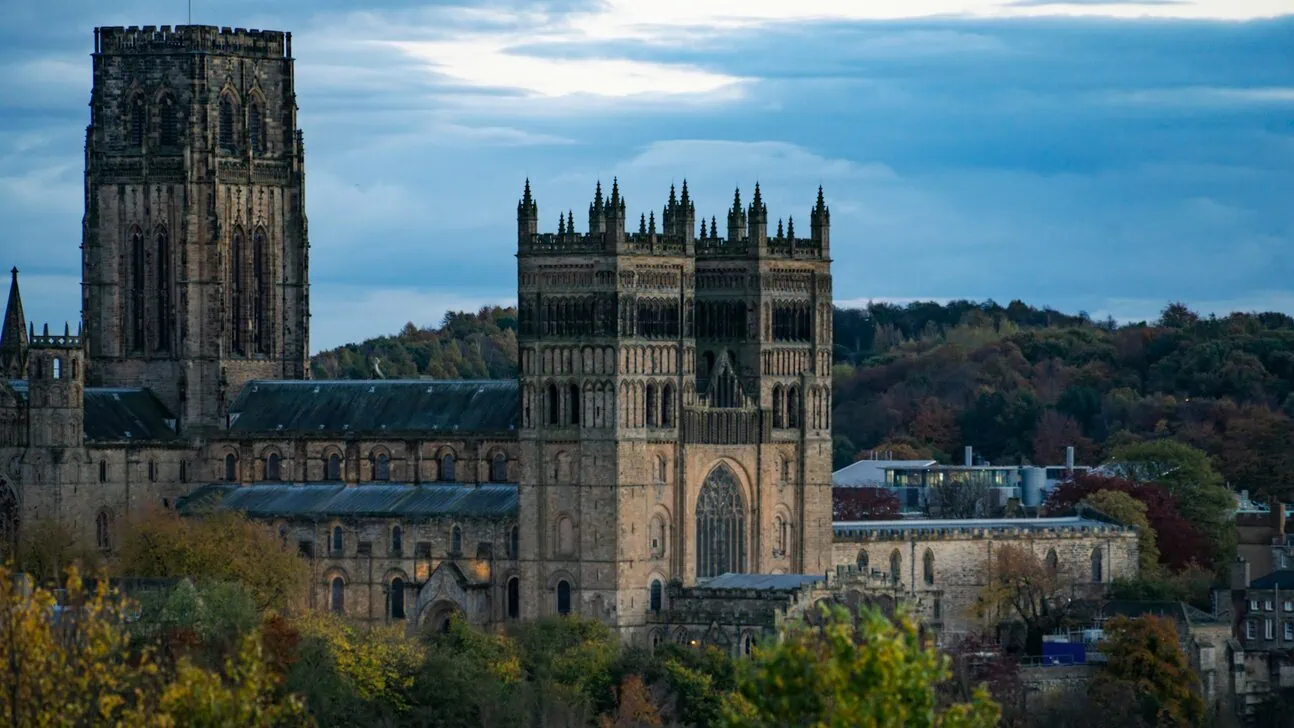
Durham Cathedral is located in the city of Durham in North East England, set on a peninsula formed by the River Wear. This dramatic position, with the cathedral rising above the surrounding landscape, is one of the main reasons it has been recognised as part of a UNESCO World Heritage Site.
The cathedral sits alongside Durham Castle, creating one of the most historic and visually impressive settings in the UK. The combination of river views, historic buildings, and elevated position gives the entire area a sense of importance and scale that goes beyond a typical city landmark.
Unlike more urban filming locations, Durham Cathedral feels slightly removed from the modern city. The approach involves walking through historic streets and across the river, gradually revealing the full scale of the building. This creates a much stronger sense of arrival compared to locations that sit directly in busy city centres.
This setting is a key part of what makes Durham different. It is not just a filming location, but a major historic site with national and international significance, adding depth and authority to the visit.
Harry Potter Filming Locations at Durham Cathedral
The main filming areas at Durham Cathedral are the cloisters, which were used to represent parts of Hogwarts in several scenes. These spaces differ from other locations because they create a more open and expansive environment, rather than enclosed corridors.
One of the most famous scenes filmed here shows Harry with Hedwig in the cloister courtyard, surrounded by snow. This moment captures the quiet and reflective side of the films, and the setting plays a major role in establishing the atmosphere.
The cloisters were also used in additional scenes to represent the Hogwarts quadrangle, giving the impression of a large, open school environment. The surrounding stonework, arches, and layout create a sense of scale that is difficult to achieve in studio settings.
Walking through these areas today, it is easy to recognise the layout and visual style used in the films. Unlike recreated sets, this is a real historic environment, which adds authenticity and makes the experience feel more connected to the story.
Inside Durham Cathedral: What You’ll See
When you visit Durham Cathedral, you are entering one of the most impressive Romanesque buildings in Europe, with a history that stretches back nearly 1,000 years. The interior is defined by its scale, symmetry, and architectural detail, creating a space that feels both grand and atmospheric.
The main areas open to visitors include the nave, choir, chapels, and cloisters, each offering a different perspective on the building’s design and history. The size of the interior is one of the most striking features, with massive stone pillars, high vaulted ceilings, and long sightlines that emphasise the cathedral’s scale.
While the cloisters are the main focus for Harry Potter fans, the rest of the cathedral adds important context. Moving through the building allows you to understand how it functions as both a place of worship and a historic landmark, rather than just a filming location.
There are no themed displays or recreations, and the focus remains on the real structure. This makes the experience feel more authentic, while still allowing visitors to connect the space to its role in the films.
Durham Cathedral Tours and Visitor Experience
Visiting Durham Cathedral is a flexible experience, allowing you to explore at your own pace or join a guided tour for a deeper understanding of the building’s history and significance. Unlike some other locations in the Harry Potter UK cluster, the focus here is less on structured attractions and more on the overall environment and heritage.
Many visitors choose to walk through the cathedral independently, taking time to explore the cloisters, nave, and surrounding spaces. This works well for those primarily interested in the Harry Potter filming locations, as the key areas are clearly accessible.
For a more detailed experience, guided tours are available and provide insight into the architecture, history, and construction of the cathedral, as well as its role in film. These tours help bring the building to life, especially for visitors who want more context beyond what they can see on the surface.
The overall experience at Durham Cathedral feels less like a tourist attraction and more like visiting a living historic site, which adds to its authenticity and appeal.
Tickets, Entry and Visitor Information
One of the major advantages of visiting Durham Cathedral is that entry is free, making it one of the most accessible Harry Potter filming locations in England. Visitors are welcome to explore the cathedral without purchasing a ticket, although donations are encouraged to support its preservation.
While general entry is free, certain areas or experiences, such as specific exhibitions or guided tours, may involve a small fee. This allows visitors to tailor their visit depending on how much depth they want to explore.
Opening times can vary depending on the day and any scheduled services, as the cathedral remains an active place of worship. It is important to check visiting hours in advance, particularly if you are travelling from further away or planning your visit around other activities.
Visitors should also be aware of expected behaviour within the cathedral. Maintaining a quiet and respectful atmosphere is important, especially during services, and helps preserve the character of the space.
How to Get to Durham Cathedral
Durham Cathedral is one of the best-connected Harry Potter filming locations in the UK, thanks to its position on the East Coast Main Line, one of the country’s major rail routes.
Travelling by train is the easiest option for most visitors. Durham railway station is served by frequent services connecting it to London, York, Newcastle, and Edinburgh, making it accessible from across the UK. The journey from London to Durham typically takes around 3 hours, offering a straightforward and comfortable route.
From Durham station, the cathedral is approximately a 15 to 20 minute walk, taking you through the historic city centre and across the River Wear. The approach itself is part of the experience, gradually revealing the full scale of the cathedral as you get closer.
For those travelling by car, Durham city centre has several parking options, although restrictions apply in certain areas due to its historic layout. Public transport and walking are often the easiest ways to reach the cathedral once you arrive in the city.
Best Time to Visit Durham Cathedral
Choosing the right time to visit Durham Cathedral can significantly improve your experience, particularly if you want to explore the Harry Potter filming locations without large crowds.
Early mornings are generally the quietest, allowing you to walk through the cloisters and interior spaces with fewer visitors. This is ideal for photography and for taking time to recognise specific scenes from the films.
Midday and early afternoon tend to be busier, especially during weekends, school holidays, and peak tourist seasons. While the cathedral’s size means it rarely feels overcrowded, certain areas such as the cloisters can become more congested.
Seasonal changes also affect the experience. Visiting during colder months can create a more atmospheric setting, particularly in the cloisters, where conditions may resemble the snow scenes filmed for Harry Potter. In contrast, spring and summer offer better weather for exploring the surrounding city and river walks.
Planning your visit around both crowd levels and overall atmosphere will help you get the most out of this impressive and historic location.
Tips for Visiting Durham Cathedral
A visit to Durham Cathedral is straightforward, but a few practical tips can help you get the most out of both the Harry Potter filming locations and the wider experience.
Arriving early is one of the best ways to explore the cloisters and interior spaces without large crowds. This is particularly useful if you want to take photos or spend time identifying the Hogwarts courtyard scenes filmed here.
Because the cathedral is an active place of worship, it is important to maintain a quiet and respectful atmosphere, especially during services. Being aware of your surroundings helps preserve the character of the space and ensures a better experience for all visitors.
Allow enough time to explore beyond the filming locations. While the cloisters are the main highlight for Harry Potter fans, the rest of the cathedral offers just as much value in terms of architecture, scale, and history.
Finally, take advantage of the surrounding setting. Walking around the River Wear and the cathedral peninsula provides some of the best views of the building and helps you fully appreciate its position within the city.
Exploring Durham City Nearby
One of the biggest advantages of visiting Durham Cathedral is how well it connects with the rest of Durham city, creating a much more complete and rewarding experience than many other filming locations.
The city itself is compact and easy to explore on foot, with historic streets, small shops, and riverside paths all within walking distance of the cathedral. This makes it simple to extend your visit without needing additional transport.
The River Wear plays a central role in the layout of the city, with scenic walking routes that offer different perspectives of the cathedral and surrounding buildings. These paths provide some of the most impressive views in the area and are well worth including in your visit.
Nearby landmarks such as Durham Castle add further depth, reinforcing the sense that you are exploring a location of genuine historical importance rather than a single attraction. Combining these elements creates a well-rounded city experience that goes beyond the filming locations alone.
Is Durham Cathedral Worth Visiting?
For most visitors, Durham Cathedral is absolutely worth visiting, and it stands out as one of the most impressive locations in the Harry Potter UK cluster.
For Harry Potter fans, the ability to walk through the Hogwarts cloisters and courtyard areas is a major draw. The scenes filmed here, particularly those featuring Harry and Hedwig in the snow, are among the most recognisable in the series.
However, what truly sets Durham Cathedral apart is its scale, setting, and historical significance. As part of a UNESCO World Heritage Site, it offers far more than a simple filming location. The combination of architecture, history, and dramatic positioning above the River Wear makes it one of the most important landmarks in England.
Unlike some other locations, the experience here is not dependent on guided tours or additional attractions. The cathedral itself provides enough depth to justify the visit, whether you are interested in the films or not.
Overall, Durham Cathedral is not just worth visiting, but one of the standout destinations in the UK, offering a unique combination of film history, cultural importance, and visual impact.

Rupert’s Handy Travel Tips
Rupert found that Durham Cathedral is as much about the setting as the building itself. If you want to make the most of your visit, here’s what he suggests:
- Visit early to enjoy the cloisters and courtyard areas before they get busy.
- Take time to walk around the River Wear for the best views of the cathedral.
- Allow extra time to explore Durham city, as it adds a lot to the overall experience.
- Be mindful that this is an active place of worship and keep noise to a minimum in quieter areas.
Want to meet the reindeer behind our travel tips? Find out more in our page Who is Rupert?.
Frequently Asked Questions
What Harry Potter scenes were filmed at Durham Cathedral?
Scenes filmed at Durham Cathedral include Hogwarts courtyard scenes and the moment where Harry stands with Hedwig in the snow in Harry Potter and the Philosopher’s Stone.
Can you visit Durham Cathedral for free?
Yes, entry to Durham Cathedral is free, although donations are encouraged to support the building.
Is Durham Cathedral used as Hogwarts?
Durham Cathedral was used to represent parts of Hogwarts, particularly the cloisters and courtyard areas, but it is not the only filming location used in the series.
How long should you spend at Durham Cathedral?
Most visits take between 1 and 2 hours, depending on how much time you spend exploring the interior and surrounding area.
Further Reading and Related Guides
If you are exploring more Harry Potter filming locations in the UK, it is worth combining your visit to Durham Cathedral with other sites that offer different types of experiences. Locations such as Gloucester Cathedral provide additional Hogwarts interiors, while Lacock Abbey offers another historic setting used for classroom scenes.
For something completely different, Malham Cove introduces a natural landscape used in Deathly Hallows Part 1, while Platform 9¾ at King’s Cross provides an accessible and iconic stop in central London. Bringing these locations together allows you to build a more varied itinerary that covers city locations, historic buildings, and outdoor landscapes.
Last Updated
April 2026
Affiliate Disclosure
This page contains affiliate links. If you click through and make a purchase or booking, we may earn a small commission at no extra cost to you. This helps support our work and allows us to continue providing detailed, independent travel advice. We only recommend apps and services we personally use or have verified as high-quality.